A Balcony Garden Built Around Wind and Weight
Plan a balcony garden around its approved load, wind pockets, watering route and mature plant size before choosing containers.
Updated
Confirm structural limits, keep access and drains clear, and start with stable containers suited to the balcony’s real sun and wind.
The balcony comes before the plants
A balcony garden is a small landscape suspended above someone else's day. Its success depends as much on where water goes and what stays put in a gust as on which flowers look good together. Begin with the structure, the lease or building rules, and the routes people use. Keep the door, drainage outlets and any required escape access clear. A narrow shelf of plants is not worth making an emergency exit awkward. If you do not know the permitted load, obtain that information from the building manager or a qualified professional before buying large planters.
Weight is easy to underestimate because the shopping decision happens while everything is empty. The finished load includes the container, wet growing medium, the mature plant, water retained in a reservoir and any stand. Water alone weighs about one kilogram per litre. A storage tank or a group of very large tubs can therefore change the calculation substantially. Do not assume that placing something against an outside wall makes it safe; the structure and its approved loading pattern determine that.
Map wind at plant height
Stand outside during ordinary weather and again when the forecast is breezier. A sheltered recess can remain calm while the rail beside it funnels wind. Doorways may produce sudden gusts, and a solid screen can create turbulence around its edges. Watch flexible leaves and lightweight ribbons tied securely within your own space. You are looking for persistent exposure, rather than trying to measure a precise wind speed with improvised equipment.
Use these observations to create two planting zones. Put compact, resilient plants in the exposed zone and reserve the more protected corner for softer foliage or flowers with brittle stems. Low-growing thyme is a different proposition from a tall sunflower in a narrow pot. Where screens are allowed, a permeable design can soften wind more gently than a completely solid barrier. Attachments must be suitable for the building and the expected weather. Never attach a screen to a rail merely because a few cable ties seem to hold it on a still afternoon.
Choose containers for stability and root space
A container should have a broad enough footprint to resist tipping and enough volume for the plant's mature roots. Tall, narrow pots look elegant but become awkward when topped with a dense shrub. Lightweight containers reduce the initial structural load, yet they may need a more sheltered location. Heavy ceramic containers can be stable but add considerable mass and may crack where freezing is common. The choice is a balance, not a universal recommendation for one material.
Check the drainage holes before planting. A decorative outer pot without holes needs a practical way to prevent water collecting around the nursery pot. On a balcony, a saucer may protect the surface below, but it must be emptied after drainage rather than left as a stagnant pool. Use feet or an appropriate support where the manufacturer recommends them, and ensure that the whole arrangement sits securely. Never balance a pot on loose bricks at the edge of a balcony.
Learn what the sunlight actually reaches
Record the hours of direct sunlight at the proposed leaf height. A south-facing balcony in one hemisphere may receive abundant sun, while its equivalent in the other faces a different path of light. An overhang, nearby tower or neighbouring tree can matter more than the compass direction. Repeat the check when the season changes. A site that is sunny in spring may be shaded by summer foliage, or may become much hotter when sunlight reaches beneath an overhang.
Choose plants from those conditions. A bright, windy site suits a different palette from a cool balcony with only morning light. Check local hardiness and summer heat tolerance as well as sun requirements. A plant sold as hardy in a border has roots buffered by the ground; exposed containers can freeze more thoroughly. Equally, a black pot against reflective glass may create hotter root conditions than the surrounding air suggests. Leave some distance from hot glazing and surfaces that store afternoon heat.
Build a water route before arranging pots
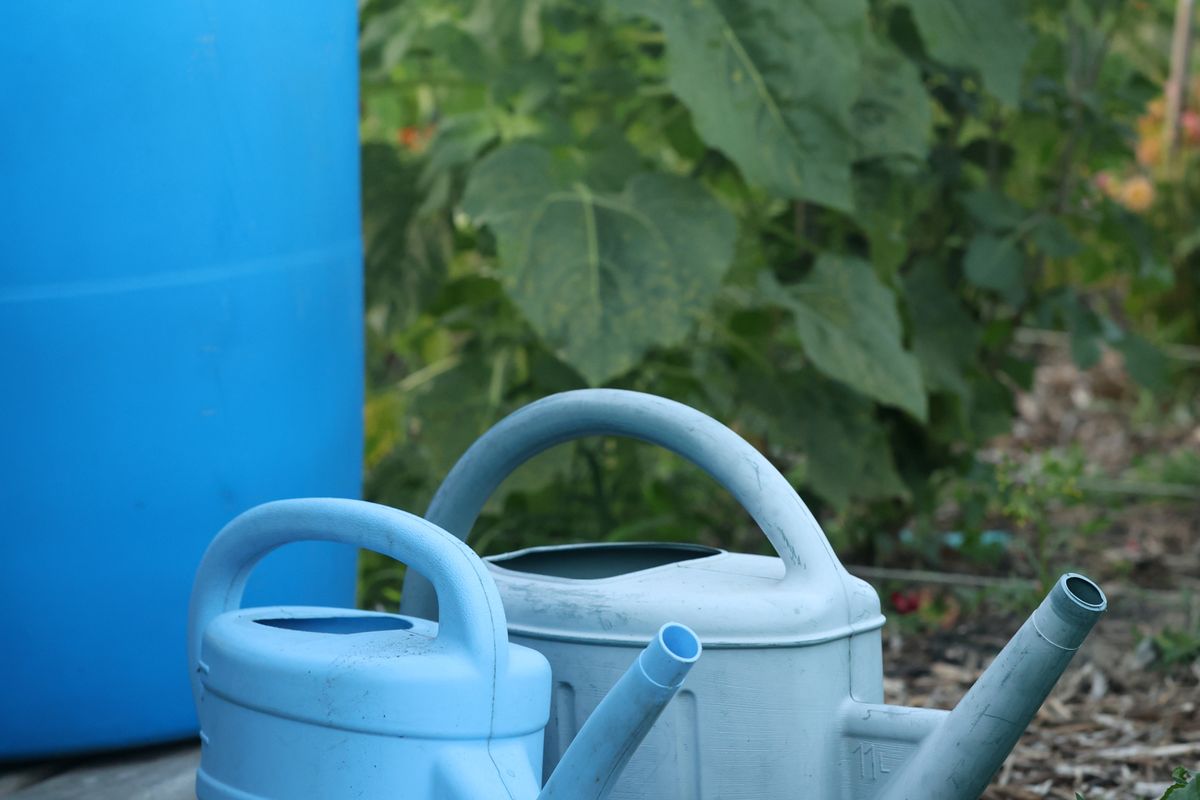
Carry a full watering can from the tap to the furthest planting position. Notice doors, thresholds, slippery surfaces and the effort of lifting. This simple rehearsal can change the plan more usefully than another mood board. Put thirstier plants where watering is convenient and group pots with similar needs. Avoid scattering small, fast-drying containers across several levels if each requires a separate lift and reach.
Work out where excess water will go. Runoff must not drip onto neighbours, pedestrians or electrical equipment. Use suitable trays or a collection system, while keeping the building's drainage functioning. A self-watering planter can reduce how often you carry water, but its full reservoir adds weight and does not eliminate inspection. Follow the product's overflow instructions. During prolonged rain, some designs need a different setting so that the root zone does not remain saturated.
Plant a small first collection
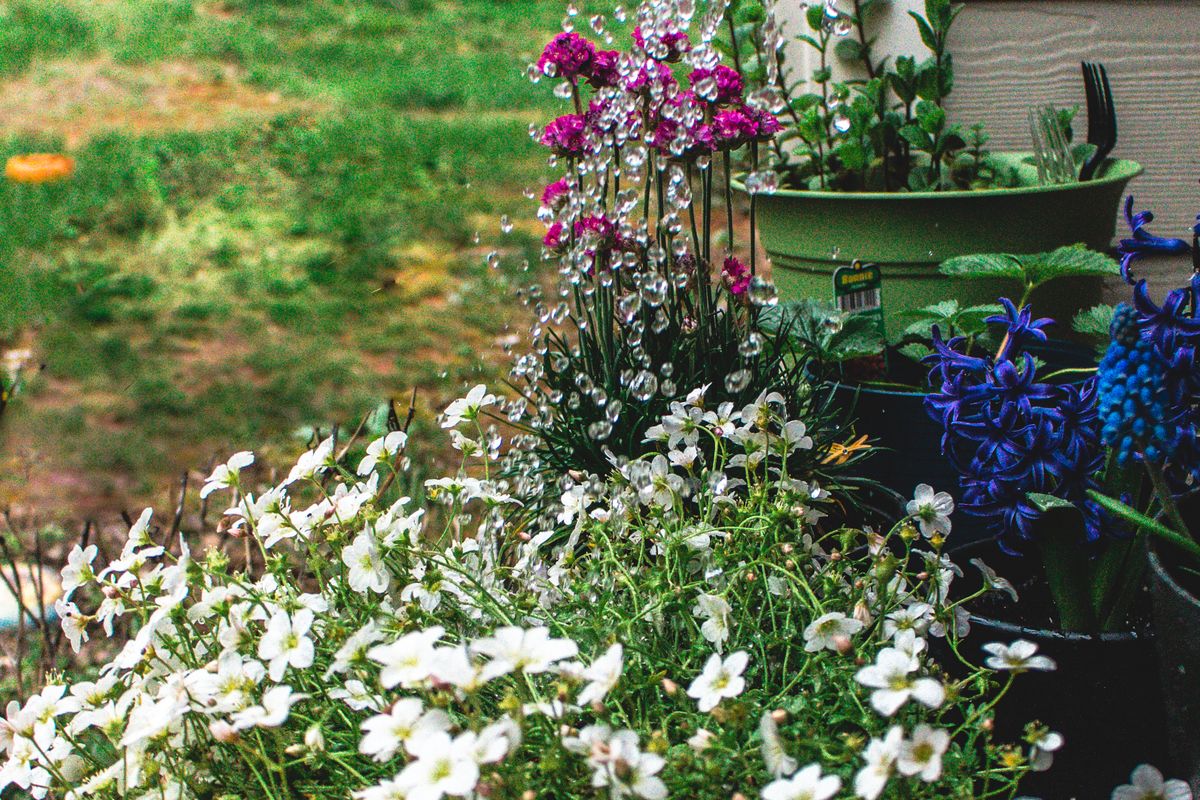
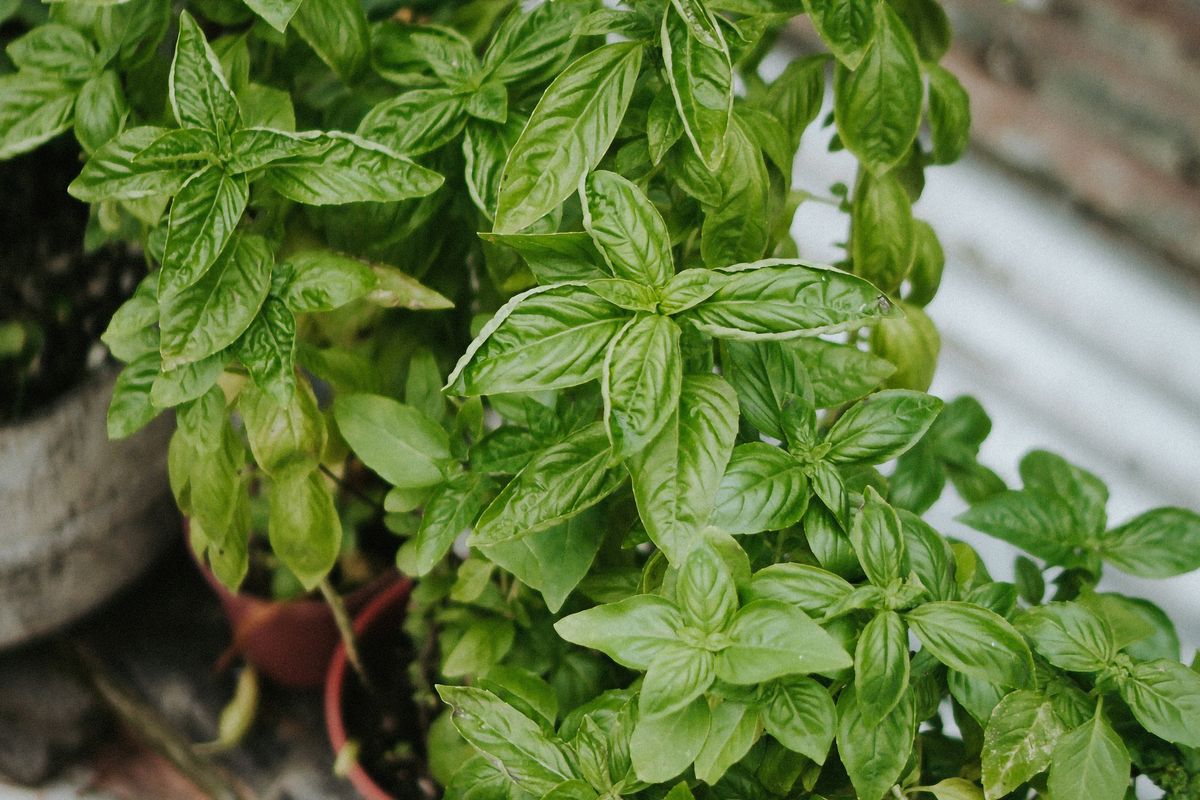
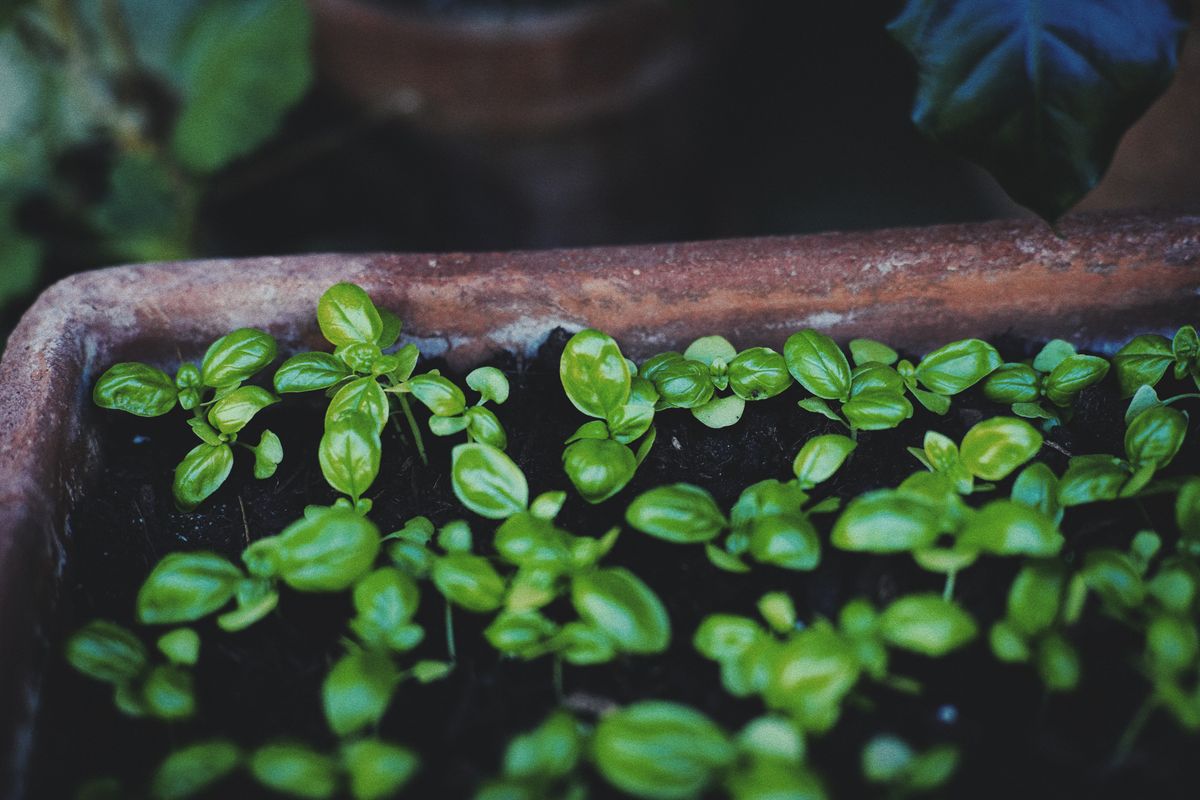
Start with three or four containers that each have a clear role: one reliable structural plant, one seasonal flowering pot and one useful herb container, for example. This gives you enough variety to discover the microclimate without committing the whole balcony. Use an appropriate container growing medium, rather than dense garden soil that may drain poorly and weigh more than expected. Fill each pot so there is room below the rim for watering without washing compost onto the floor.
Position plants at roughly their previous growing depth unless their specific instructions say otherwise. Gently settle the medium around the roots and water thoroughly enough to wet the root ball. Do not compress the mix into a hard block. If combining species, consider mature width as well as height. A vigorous trailing plant can cover a slower companion, making it difficult to see whether the smaller plant is healthy or simply buried.
Use height without creating hazards
Vertical planting makes a balcony feel generous, but every raised container raises questions about fixing, falling and access. Use purpose-made systems only where the building permits them, and follow their load ratings. A planter hooked over a rail is especially exposed to wind and should never be improvised from hardware intended for another use. Keep plants entirely within safe boundaries rather than allowing heavy growth to hang over public space.
Place a chair before adding the final pots. You should be able to sit, stand and open the door without brushing against thorny stems or knocking a shelf. Taller plants can provide partial privacy from a seated position without becoming an unstable living wall. Train climbers on their own secure support, keeping them away from vents, rainwater fittings and neighbouring property. Inspect ties as stems thicken; a forgotten tight loop can cut into new growth.
Read stress without reflexively adding water
Wind damage often appears as torn leaves, browned edges or stems rubbing against a support. Water shortage can produce wilting, but so can roots that are damaged by persistent wetness. Before watering a wilted plant, feel the medium below the surface and inspect the drainage. If it is already wet, more water is unlikely to solve the problem. A plant that wilts during the hottest hour but recovers in the evening may need temporary shelter rather than a permanently soaked pot.
Salt accumulation can also affect container plants, especially where fertilizer is applied repeatedly and little water drains through. Use fertilizer only at the dilution and interval appropriate to the plant and product. If a pot drains freely but develops a crust and declining growth, reconsider the feeding routine and local water quality. Do not keep adding different supplements to compensate for a location that is fundamentally too dark, too exposed or too cold.
Plan for storms and absences
Identify which lightweight items need to come indoors before strong winds. Keep a clear place for them instead of discovering during a storm that the only available space blocks the door. Secure tools and watering cans, and remove dead branches that could break away. After severe weather, inspect supports, fixings and drainage before putting everything back. A plant can look unscathed while the stand beneath it has shifted.
For a short absence, move compatible pots into a more sheltered group, water according to their actual moisture and arrange a reliable person to check them if the weather requires it. Test any irrigation system well before leaving. Watch every emitter operate and confirm that overflow stays within your drainage plan. An untested timer is not a substitute for understanding how much water the pots use during a hot, windy week.
Make the second season easier
At the end of a growing season, assess the arrangement in practical terms. Which pots dried too quickly? Which plants needed constant staking? Which area became difficult to clean? Replace a demanding mismatch before adding more plants. Increasing pot volume within the approved load, changing a location or reducing the number of species may improve the garden more than buying another treatment.
A well-planned balcony should remain pleasant when the plants are not at their peak. Leave breathing room between containers, retain a useful sitting space and choose a manageable winter arrangement. The aim is a place you can care for comfortably, with healthy roots, stable pots and water kept where it belongs. Once those foundations work, colour and texture become enjoyable choices rather than attempts to disguise a difficult setup.
Further reading
Use these independent resources to explore the subject and check guidance for your location.