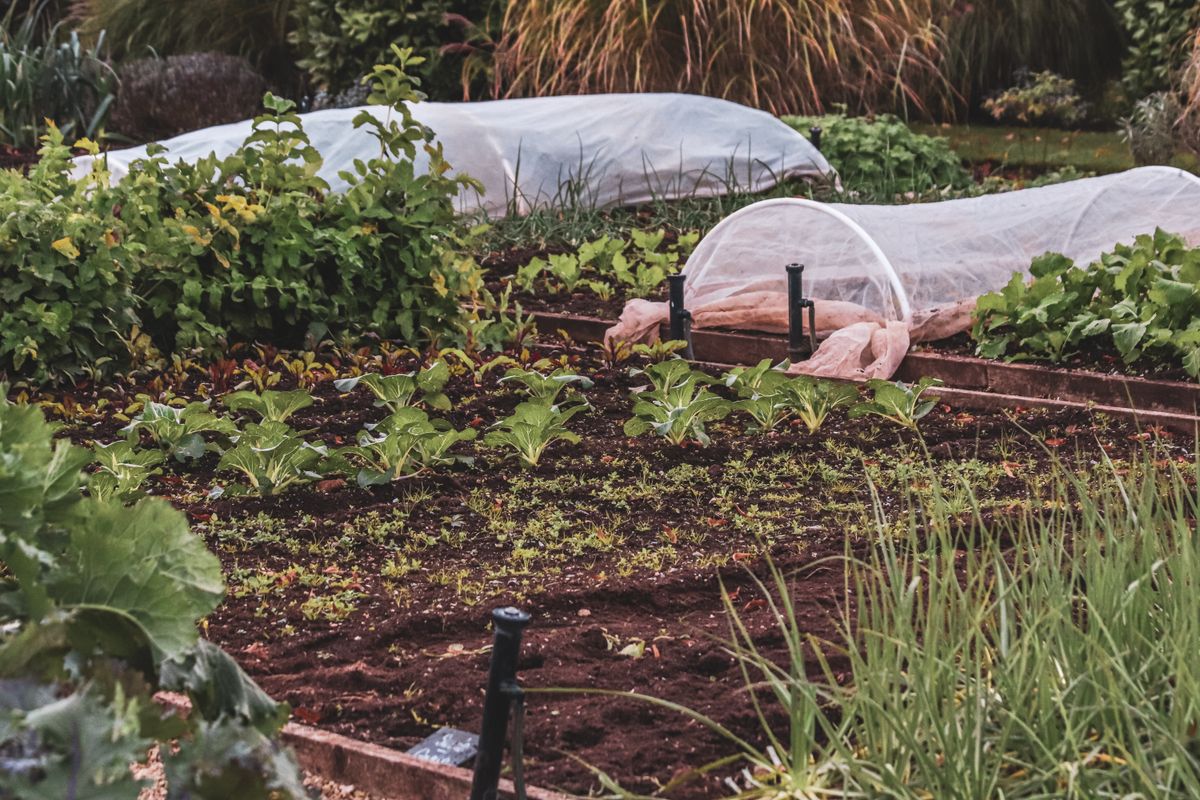
Watering Outdoor Containers During Hot Weather
Water outdoor pots through hot spells by checking the root ball, applying slowly and reducing heat and wind stress.
Updated
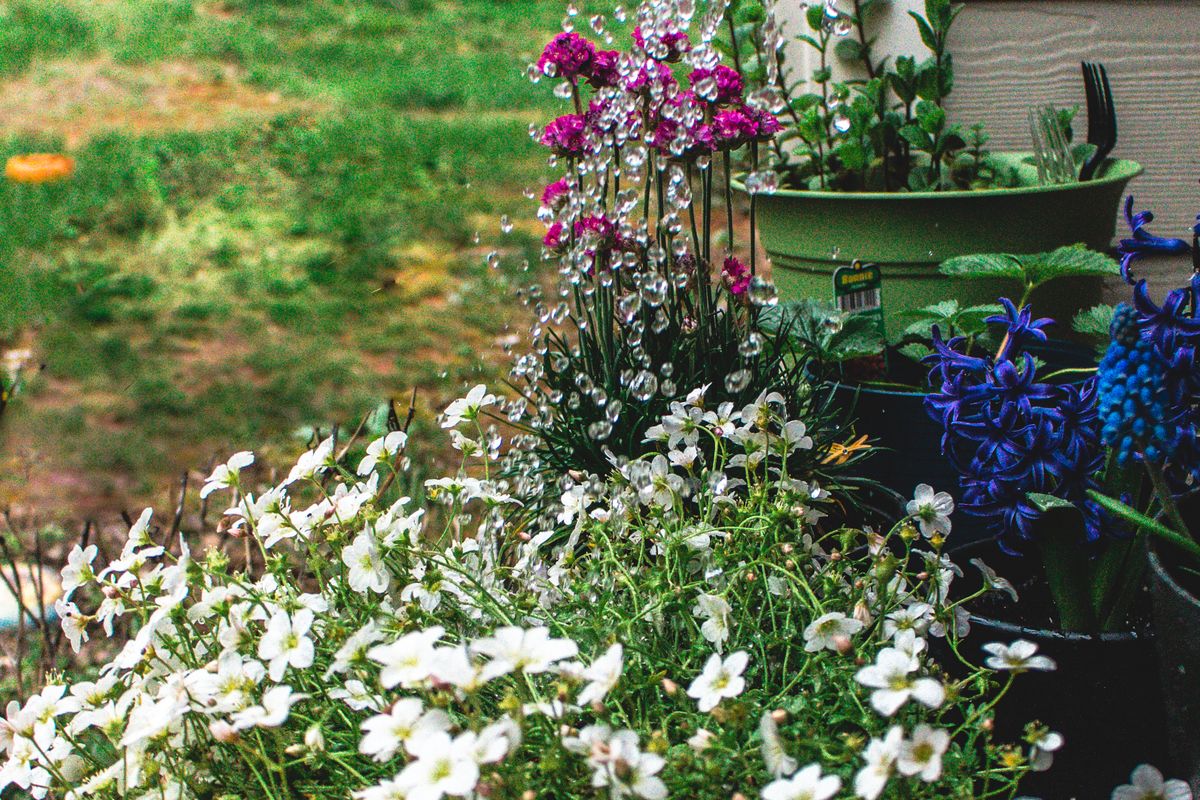
Check below the surface, water the entire root ball slowly, allow drainage and protect vulnerable pots from exceptional heat and wind.
A pot is a small and changing reservoir
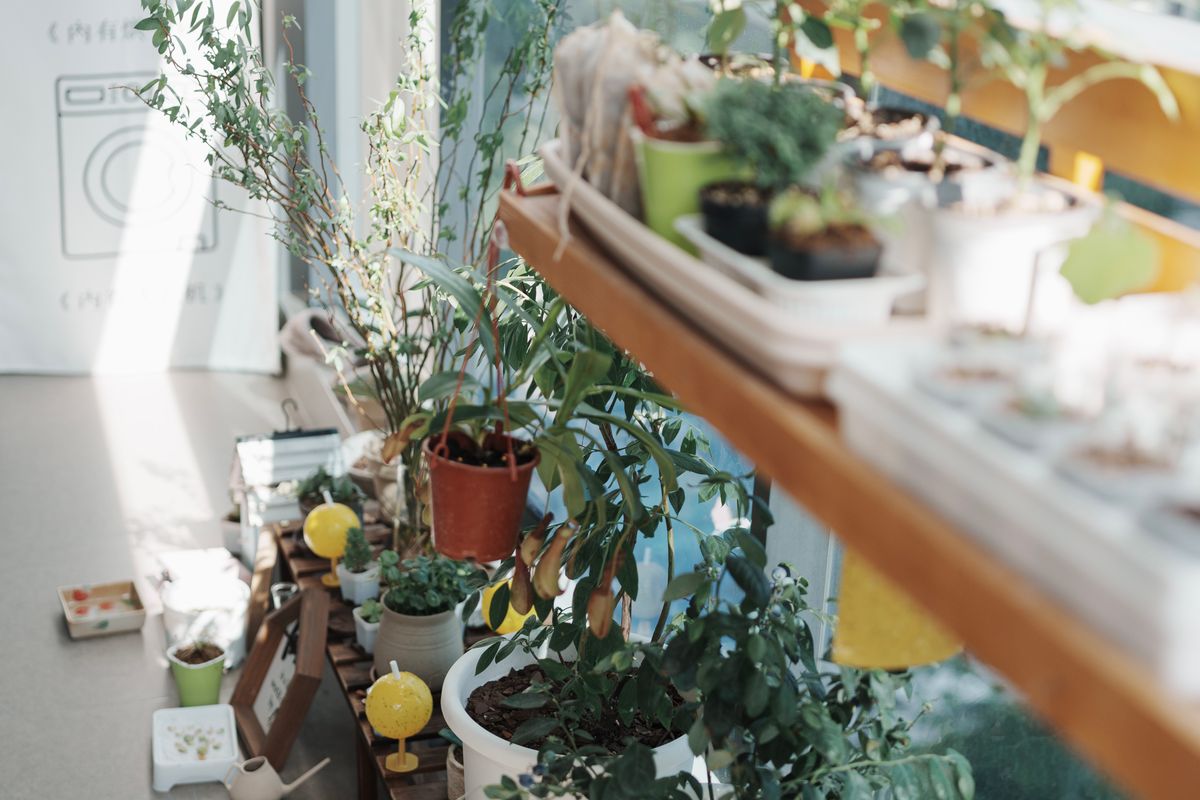
An outdoor container has a limited store of water and a large exposure to the weather. Heat, moving air, leaf area and the pot itself all influence how quickly that store is used. A watering routine that worked in a mild week can fail during a hot, windy spell. The useful question is not simply how often to water, but whether the root ball is receiving enough water, evenly, at the moment the plant needs it.
Start by separating inspection from watering. Check a representative group of pots every day during heat, but water according to their condition. A large shrub in a deep container, a shallow bowl of succulents and a crowded hanging basket will not dry at the same rate. Treating them as one row to be given equal splashes is convenient for the person holding the can, yet often leaves one saturated and another barely moist below the surface.
Learn the dry and wet feel of each pot
Push a finger into the growing medium where you can do so without damaging roots. The surface may be dry while the interior remains moist. A small wooden probe can help you compare deeper conditions, although its appearance is only one clue. Lift a light container after watering and again when it begins to dry; the change in weight is a useful reference. Do not try this with a heavy tub that could injure you or tip.
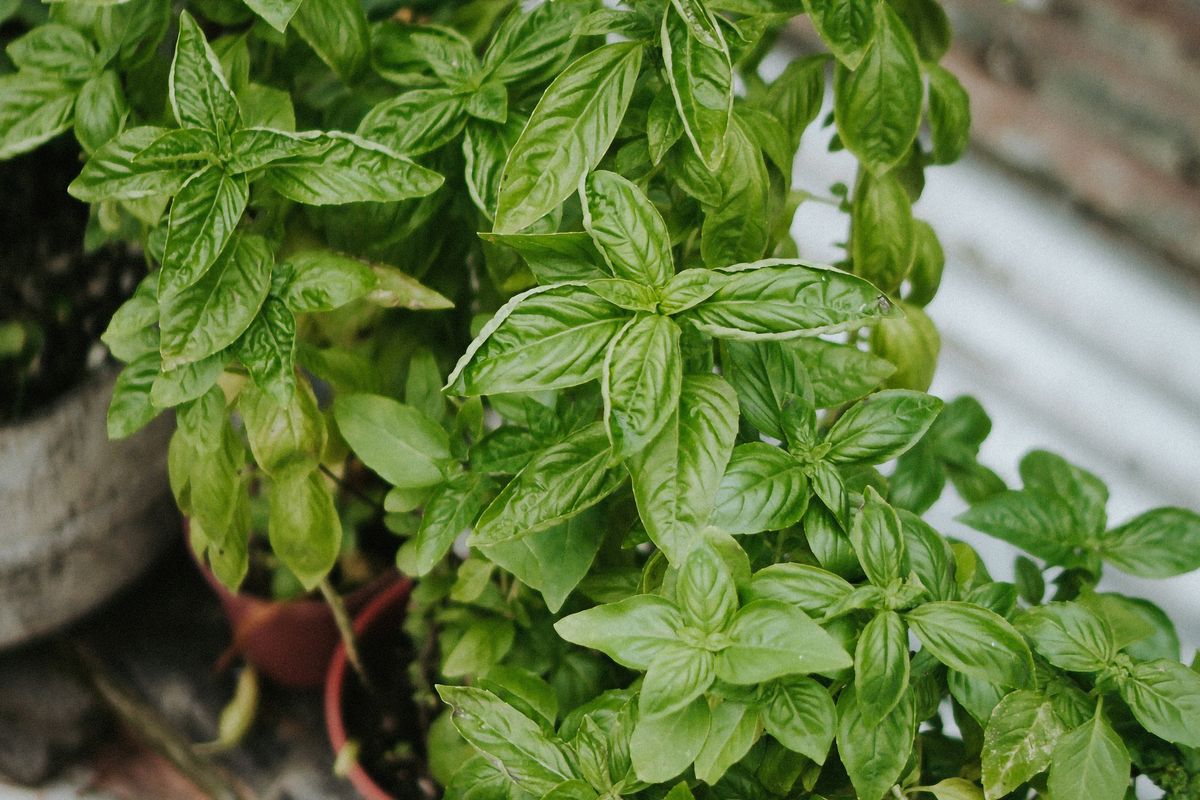
Check the foliage as well. Leaves that become limp only during the hottest hour and recover after sunset may be responding to temporary water demand. If the root zone is already wet, another soaking can worsen conditions. Persistent morning wilt, a very light pot and dry medium together are stronger evidence of a shortage. Brown edges alone are less specific: heat, salt accumulation, wind and damaged roots can produce similar symptoms.
Give water time to enter the root ball
Apply water near the soil surface with a gentle flow, moving around the pot rather than pouring everything against one stem. The aim is to moisten the whole root volume. A little runoff from drainage holes can indicate that water has passed through, but it does not prove that every part absorbed it. Water can escape quickly through cracks at the sides while the central root ball remains dry.
Pause and return to a reluctant pot after several minutes. A second slow pass is often more effective than one forceful flood. For a manageable small nursery pot whose medium has become very dry and water-repellent, a temporary soak in a suitable container can help rewet it; remove it and allow it to drain afterwards. Do not leave ordinary pots standing indefinitely in water, and do not attempt to lift a large shrub into a bath merely to follow a technique meant for smaller plants.
Keep drainage functioning during heat
Hot weather can encourage overcompensation. A gardener sees wilted leaves, waters repeatedly and leaves the pot in a full saucer, even though the roots need air as well as moisture. Check that drainage holes are open and that a decorative outer container is not holding a hidden pool. A wet root zone with poor oxygen supply can lead to decline that resembles drought from above. More frequent watering then deepens the problem.
Remove standing water from ordinary saucers after the pot has had a chance to drain, unless the plant or a purpose-designed system specifically requires a reservoir. Inspect pots after thunderstorms too. A container that was thirsty yesterday may be saturated today. Self-watering planters have their own overflow and reservoir rules; follow those rather than treating them as conventional pots. The visible top may look dry even while a functioning lower reservoir supplies the roots.
Reduce the demand before increasing the supply
Temporary shade can be a practical response to exceptional heat, especially for newly planted containers that have not filled their medium with roots. Move portable pots to a sheltered position with bright light, avoiding a sudden shift into a dark room. Grouping containers can reduce exposure around their sides, though crowded foliage still needs enough space for inspection and airflow. Keep leaves away from walls or glass that radiate intense afternoon heat.
Wind protection can matter as much as shade. A hot breeze carries moisture away from foliage and accelerates drying. Place vulnerable plants behind a safe, permeable screen or a more resilient group, within the limits of the site. Do not wrap pots so tightly that drainage is blocked or the plant becomes hotter. The objective is a gentler microclimate, not an enclosure that traps heat around already stressed leaves.
Make the container work for you
Very small pots have little buffer and can become difficult to maintain when plants mature. If the roots occupy almost the entire volume and water passes straight through, consider moving the plant into a suitably larger container at an appropriate time. During an acute heatwave, protect and stabilize it first rather than disturbing severely stressed roots. When repotting, choose a medium intended for containers and the plant's requirements. Dense garden soil is rarely a good substitute.
Pot material changes the routine. Porous terracotta loses moisture through its walls, while plastic and glazed surfaces usually retain it differently. Dark containers exposed to strong sun may become hot around the roots. A pale outer sleeve with an air gap can sometimes reduce direct heating, provided it remains stable and cannot collect water around the inner pot. Choose structural changes that make the next hot spell easier rather than relying on daily rescue watering forever.
Use fertilizer carefully when roots are stressed
A thirsty plant is not automatically a hungry plant. Adding a strong fertilizer solution to a dry root ball can increase stress. Follow the product's dilution and plant-specific instructions, and avoid increasing the dose because growth has slowed in extreme heat. Some plants temporarily reduce growth under difficult conditions. Feeding cannot force them to ignore temperature, and excess dissolved salts can accumulate where little water drains through the container.
If repeated feeding has left a visible crust or the plant has unexplained edge burn, reassess the routine and the quality of the water. Occasional thorough watering with drainage may help remove soluble salts from an appropriate freely draining mix, but the details depend on the plant and the source water. Do not use this as a blanket instruction to flush every pot daily. First establish whether salt accumulation is a plausible cause rather than simply another guess.
Choose a useful time without treating it as a rule
Morning watering is convenient because you can inspect the plants before the strongest heat and give roots water for the day ahead. Evening can also be practical, especially where mornings are impossible, but inspect moisture rather than soaking automatically. If a plant is genuinely dry and wilting at midday, do not withhold water solely because it is not the preferred hour. Water the medium carefully and provide temporary protection where needed.
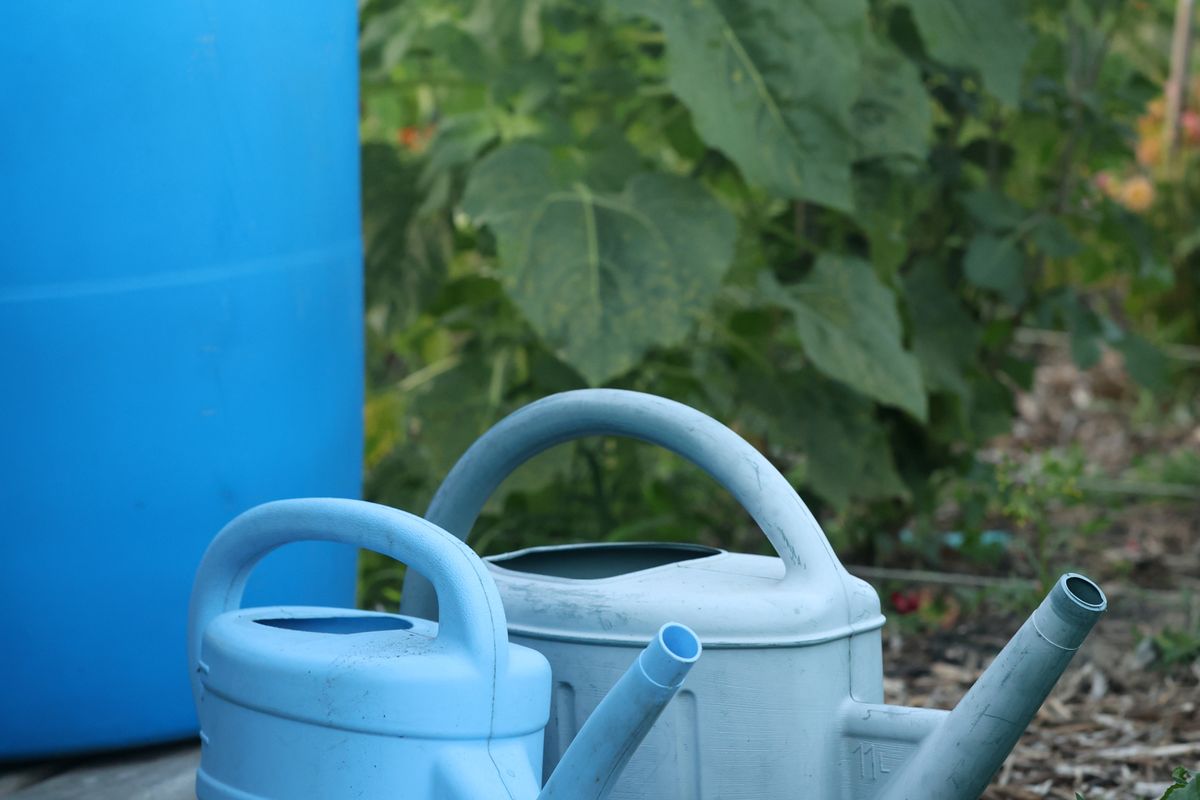
Try to avoid unnecessarily wetting foliage, particularly when water will remain on susceptible leaves for a long time. A can with a suitable spout allows accurate application. Large collections may benefit from a hose with a gentle adjustable outlet, but the convenience can conceal how much water is actually entering each pot. Counted seconds are only a rough comparison because flow pressure, container size and medium condition all vary.
Test irrigation while you are still at home
A timer and drip line can make container care more reliable, but only after calibration. Put each emitter where the root ball will actually receive water and check that it stays in place. Observe a full cycle, then inspect the medium at several points. One outlet at the edge of a large pot may leave a dry area on the opposite side. Conversely, a high-flow outlet can waterlog a small pot while neighbouring tubs remain thirsty.
Run the system through several ordinary days before an absence, including a warm one if possible. Check batteries, filters, connections and safe runoff routes. Ask someone to inspect the plants and equipment rather than merely confirming that the timer display is on. A disconnected line can empty onto paving while the plants receive nothing. For balconies and shared buildings, this also becomes a neighbour and property issue, so collection and overflow arrangements need particular care.
Recover a stressed plant with a clear diagnosis
After restoring moisture, allow time for a drought-stressed plant to respond. Do not repeatedly pull it out of its pot to check the roots. Remove badly damaged foliage only when appropriate, leaving healthy leaves to support recovery. Existing scorched tissue will not turn green again. Look instead for restored firmness, the absence of further collapse and eventually healthy new growth. Recovery may be slow if roots were damaged during the episode.
Keep a short note of the containers that needed emergency attention and the conditions that caused it. A larger pot, different plant choice or sheltered position may prevent repetition. Good hot-weather watering is partly about the can in your hand, but mostly about the arrangement that determines how often you must pick it up. With suitable containers, functioning drainage and a habit of checking below the surface, a hot week becomes a manageable adjustment rather than a daily cycle of wilt and rescue.
Keep the watering can out of direct sun between uses so that its contents do not become excessively hot. Empty and store hoses safely, and run any sun-heated water away from sensitive plants before beginning the next round.
Further reading
Use these independent resources to explore the subject and check guidance for your location.