Turning a Shady Corner Into a Layered Garden
Turn a shaded corner into a layered planting by distinguishing dry root competition from genuinely moist shade.
Updated
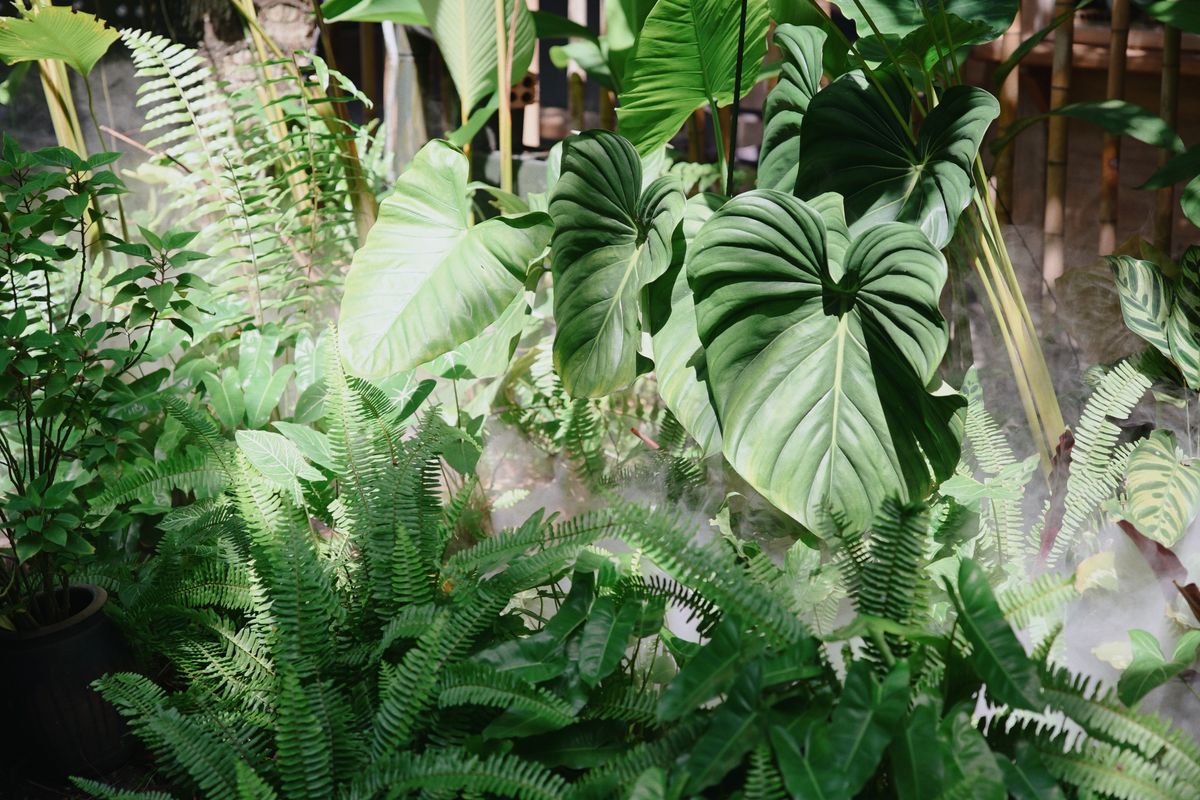
Assess light and soil moisture first, protect established tree roots, and choose small plants suited to the actual kind of shade.
Shade is a description of light, not a complete planting brief
A shady corner can be cool and moist, dry and root-filled, or bright for part of the year and dark for the rest. Those differences decide which plants can thrive. Before choosing a palette of ferns and broad leaves, find out what happens beneath the surface. A bed under a mature tree may receive little rain through the canopy while established roots take much of the available moisture. Another bed beside a wall may remain wet because drainage is poor.
Begin by recording when direct sun reaches the space, if it reaches it at all. Look at the site in the morning, around midday and later in the afternoon. Dappled light under a deciduous tree changes as leaves emerge and fall. Deep shade behind a building may stay much more consistent. These observations let you plan around a real setting instead of trying to turn every dark area into the same imagined woodland garden.
Separate moist shade from dry competition
Dig a small inspection hole where it is safe and appropriate, avoiding major roots and buried services. Feel the soil below the surface and look at its structure. If it is dry after rain, the canopy may be intercepting water or nearby plants may be taking it quickly. If water persists in the hole, investigate drainage before adding plants that prefer moist but aerated soil. Moisture-loving does not necessarily mean tolerant of permanent waterlogging.
Tree roots create a particular constraint. Do not cut large roots or raise the soil level around a trunk to create an easier planting bed. Both can harm an established tree. Choose small plants that fit between roots and work with a hand tool rather than aggressively cultivating the whole area. For valuable trees or uncertain root conditions, ask a qualified arborist before changing grades, constructing edging or installing a raised bed beneath the canopy.
Choose a limited palette with different jobs
Use a few dependable plants to create repeated structure, then add seasonal interest. In suitable temperate conditions, a combination might include a hardy fern, a low spreading perennial and bulbs that flower before deciduous leaves close the canopy. The exact species must suit local climate and moisture. A fern for damp woodland soil may fail in dry root competition, while a plant described for dry shade may still need watering while it establishes.
Check mature size carefully. A small nursery pot can become a wide clump that fills the entire corner. Repetition makes a small garden feel calmer than a collection of unrelated specimens, and it simplifies maintenance because you learn the same plants' needs in several positions. Avoid invasive groundcovers merely because they cover difficult soil quickly. Their success can become a long-term problem for neighbouring beds and nearby natural areas.
Where browsing animals are common, check local resistance guidance before investing in a whole group. Shade tolerance does not protect a plant from repeated feeding damage, and a sheltered corner may become a convenient route for visiting animals.
Use foliage as the main design material
In shade, leaf shape and texture often provide a longer display than flowers. Fine fern fronds contrast with broader leaves; upright growth can sit behind a lower spreading layer. Use these differences deliberately rather than relying on many foliage colours. A small amount of variegation can brighten a dark spot, but too many patterned leaves can make a compact planting feel visually restless. Some pale-leaved selections also need gentler light than a suddenly exposed afternoon edge provides.
Look at the plants from the place where you will usually see them. A border viewed from a kitchen window needs a different arrangement from a corner experienced at close range beside a bench. Put delicate details near a path and stronger shapes farther away. Leave access for weeding and dividing clumps. A layered design should not require stepping on the smallest plants every time you need to reach the back.
Plant small and protect the existing structure
Small healthy specimens often fit root-filled sites more readily than large pots demanding a wide planting hole. Water them before planting and make a hole only where there is space between existing roots. Set the new plant at an appropriate depth, backfill gently and water to settle the soil. Do not pack a small hole with an isolated pocket of rich compost and expect it to overcome the whole surrounding environment.
Use organic matter thoughtfully as a surface dressing where appropriate, keeping it away from trunks and low crowns. A modest mulch can reduce evaporation and make the bed easier to weed, but repeated thick layers can change the soil level. If tree roots leave almost no viable planting space, accept that limitation. A nearby container on a safe, accessible surface or a simple unplanted mulch area may be kinder to the tree and easier to maintain than forcing a dense understory.
Establish plants through the first dry period
Shade reduces direct sun, but it does not guarantee a low watering requirement. Check newly planted roots during dry spells, especially beneath trees and beside walls. Water slowly at the root area so moisture penetrates rather than running away over dry soil. Move mulch aside at a sample point to see whether the soil beneath is moist. A wet leaf canopy above is not evidence that rain reached the new plant.
Concentrate attention on establishment rather than watering the entire tree root area indiscriminately. Newly planted small roots occupy a limited volume and can dry while the surrounding mature tree appears unaffected. If repeated irrigation is necessary after the plants should be established, reconsider the selection. A species adapted to moist shade will continue to demand support in a dry corner. Better matching the plant to the site can reduce that dependence over time.
Plan spring and winter as well as summer
Deciduous shade offers a seasonal opportunity. Some bulbs and woodland perennials use early light before the canopy develops, then retreat or become less prominent later. Plan their positions so that summer foliage can cover the gaps without being planted on top of dormant bulbs. Mark locations while plants are visible. Otherwise, an apparently empty patch in summer can be mistakenly dug over or filled with a competing specimen.
Evergreen structure can keep a corner interesting in winter, but check whether the proposed plant tolerates the site's cold and moisture. Containers experience a different winter root environment from plants in the ground. Leaves from deciduous trees can be retained in suitable beds as habitat and organic material, yet a heavy wet mat may smother small evergreens or emerging shoots. Redistribute leaves where necessary rather than treating all leaf fall as either rubbish or something that must never be touched.
Diagnose sparse growth before feeding
A plant that stretches toward the edge of the bed may need more light than the site provides. Small leaves and slow growth can also reflect root competition, drought or nutrient limitations. Fertilizer is not a substitute for a suitable light environment. Before feeding, inspect soil moisture and compare the plant with another of the same kind in a brighter position. If the site is fundamentally unsuitable, moving or replacing the plant may be the most effective action.
Sudden scorch can occur when a tree is pruned or a neighbouring structure changes, exposing shade-adapted leaves to stronger sun. Protect vulnerable plants temporarily and reassess the new conditions. Old scorched tissue will not repair itself, so judge recovery by new growth. Conversely, a canopy that becomes denser over several years may gradually reduce flowering. The original planting plan is not permanent when the source of shade keeps growing.
Keep the surface practical and inviting
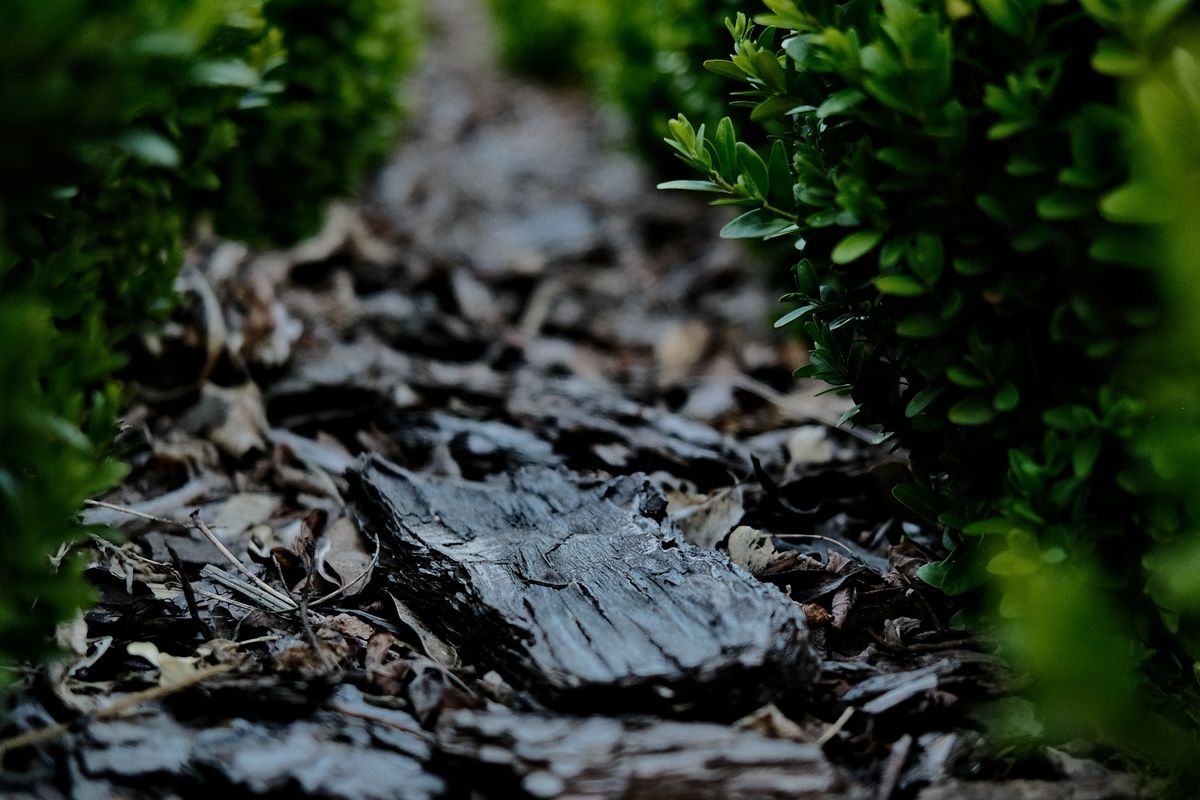
A shaded path can become slippery where algae or wet leaves accumulate. Choose a suitable surface, keep drainage functioning and remove slippery debris as needed. Avoid directing runoff into a bed that is already wet. A bench or simple focal object can make a corner feel intentional, but leave enough space around it to maintain the plants. Electrical lighting, if used, should be appropriate for outdoor conditions and installed safely.
Artificial light is rarely necessary to enjoy a shade garden, and constant night lighting can affect wildlife. If you need task or access lighting, use only what is required and direct it carefully. Pale flowers or a small area of lighter foliage can create a natural point of attention during the day. The most convincing design usually comes from clear shapes and healthy plants, not from trying to make a shaded corner behave like a sunny border.
Let observation refine the layers
Photograph the corner at several points in the year from the same viewpoint. Note which plants fill their space, which disappear and which repeatedly need rescue. When dividing a crowded clump, retain enough structure that the bed does not become bare all at once. Remove unwanted seedlings before they establish among slow-growing plants, but learn the appearance of desirable self-sown species so that routine weeding does not erase future interest.
After a full season, change one weak part of the design rather than replacing everything. A better ground layer, a plant chosen for genuinely dry shade or a small shift in access may solve the main problem. A layered shady garden is built by respecting the roots, moisture and changing light already present. Once those are understood, the corner can feel settled and generous without demanding a constant effort to keep unsuitable plants alive.
Further reading
Use these independent resources to explore the subject and check guidance for your location.