
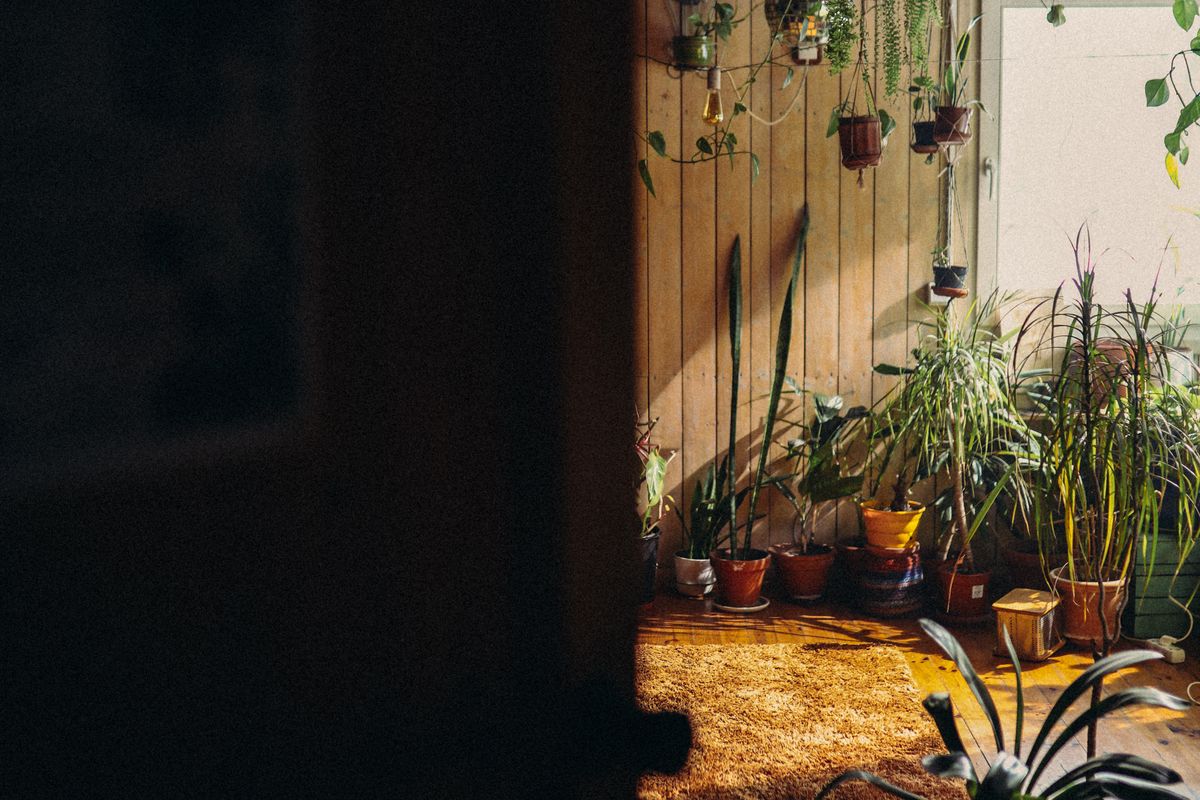
Watering Houseplants by Evidence, Not by the Calendar
Use root-ball moisture, pot weight, and plant conditions to decide when to water, then drain the container properly.
Grow something green. Notice a bird. Build a world beneath the water. Find thoughtful guides for the living things in your care.
Find your next read THE INDOOR EDIT
You don’t need a big garden.
Just a little attention, and somewhere to begin.
Practical care for plants that share your home.
Use root-ball moisture, pot weight, and plant conditions to decide when to water, then drain the container properly.
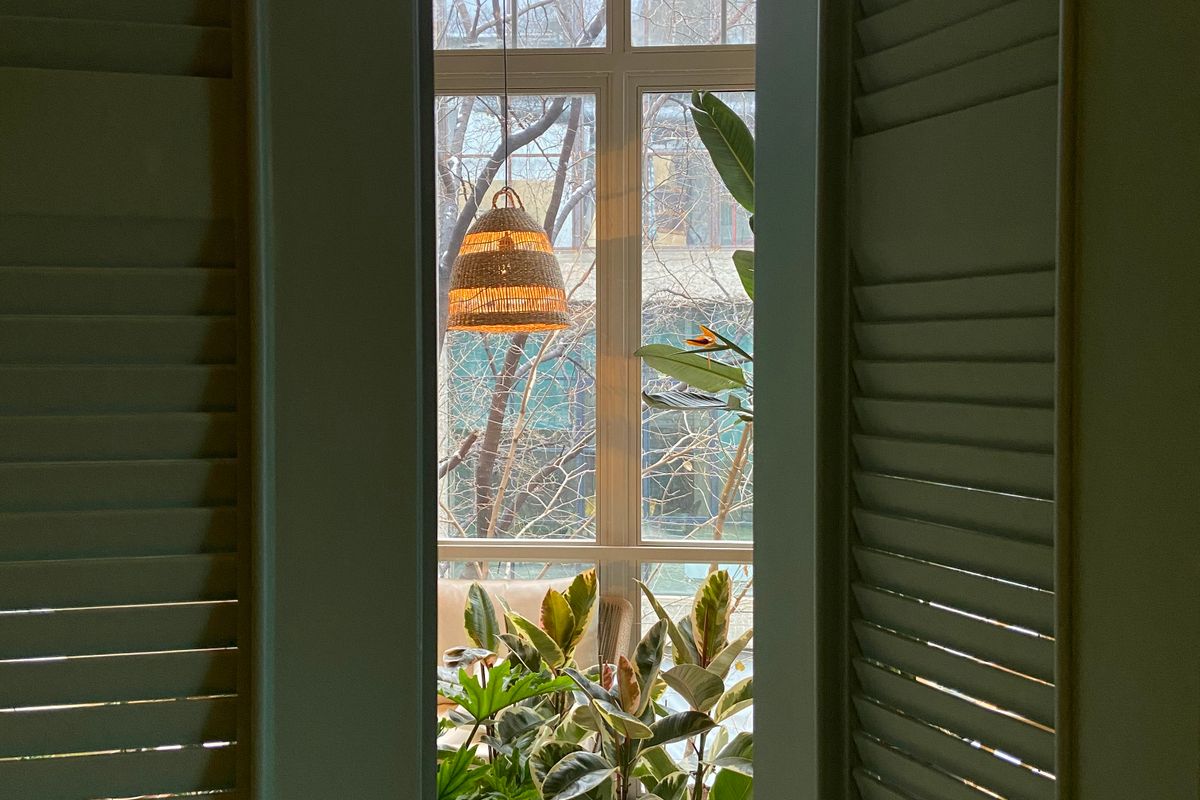
Recognise when roots need more room, choose a suitable pot, and replace growing mix without leaving a small plant in excess wet soil.
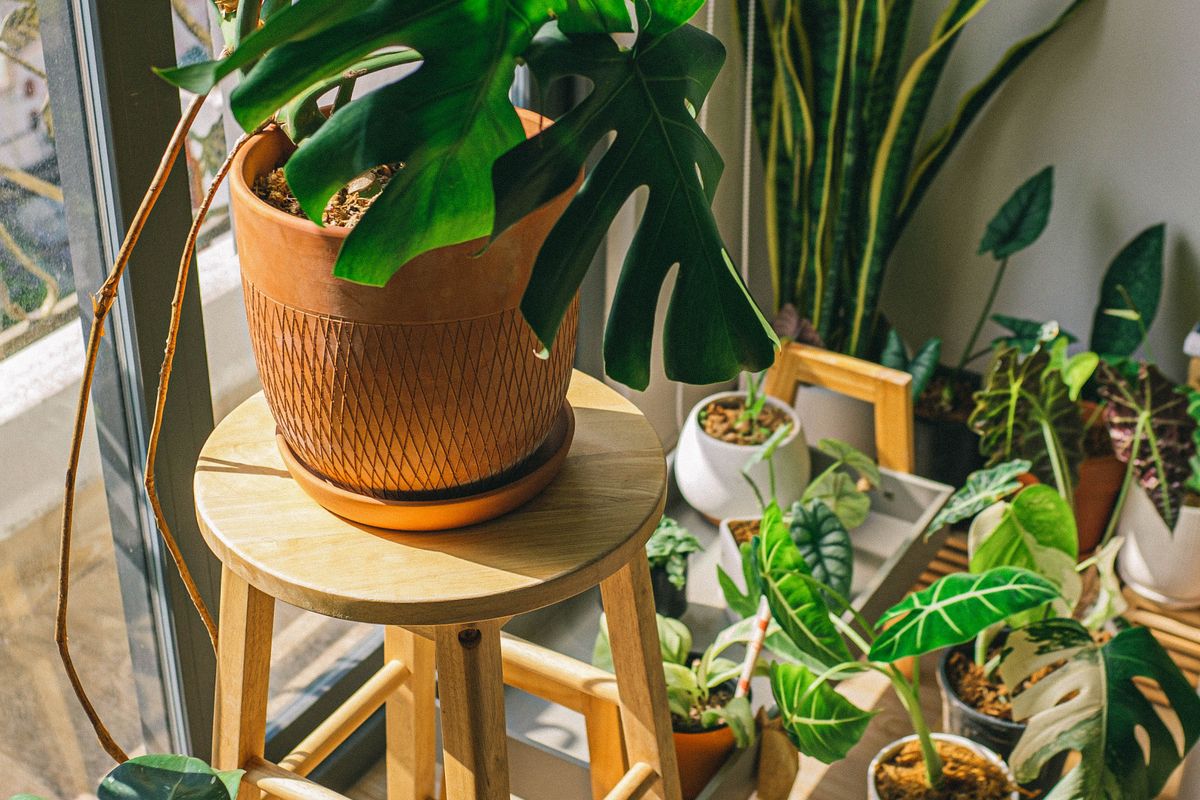
Give pothos enough light for compact growth, manage watering through the root ball, and train or prune stems with a clear purpose.
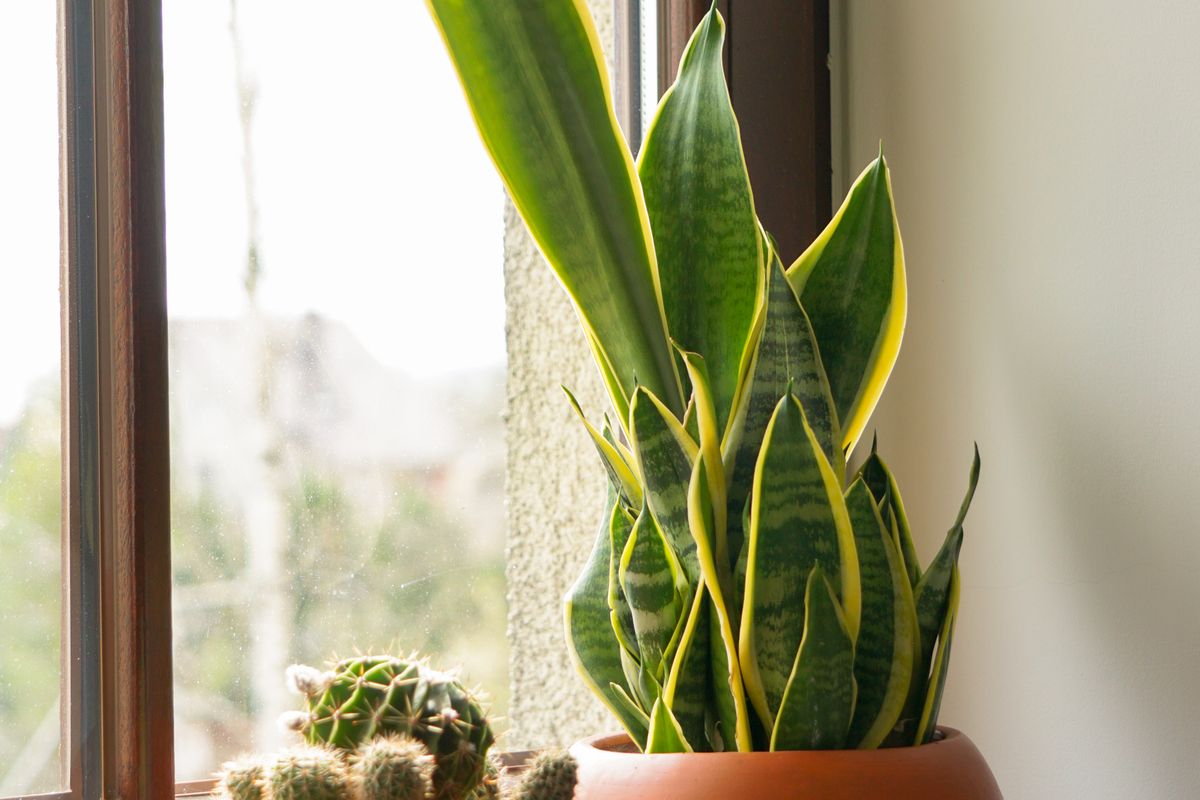
Understand the slow drying and hidden root problems behind many snake plant failures, with practical checks for light, pots, and watering.
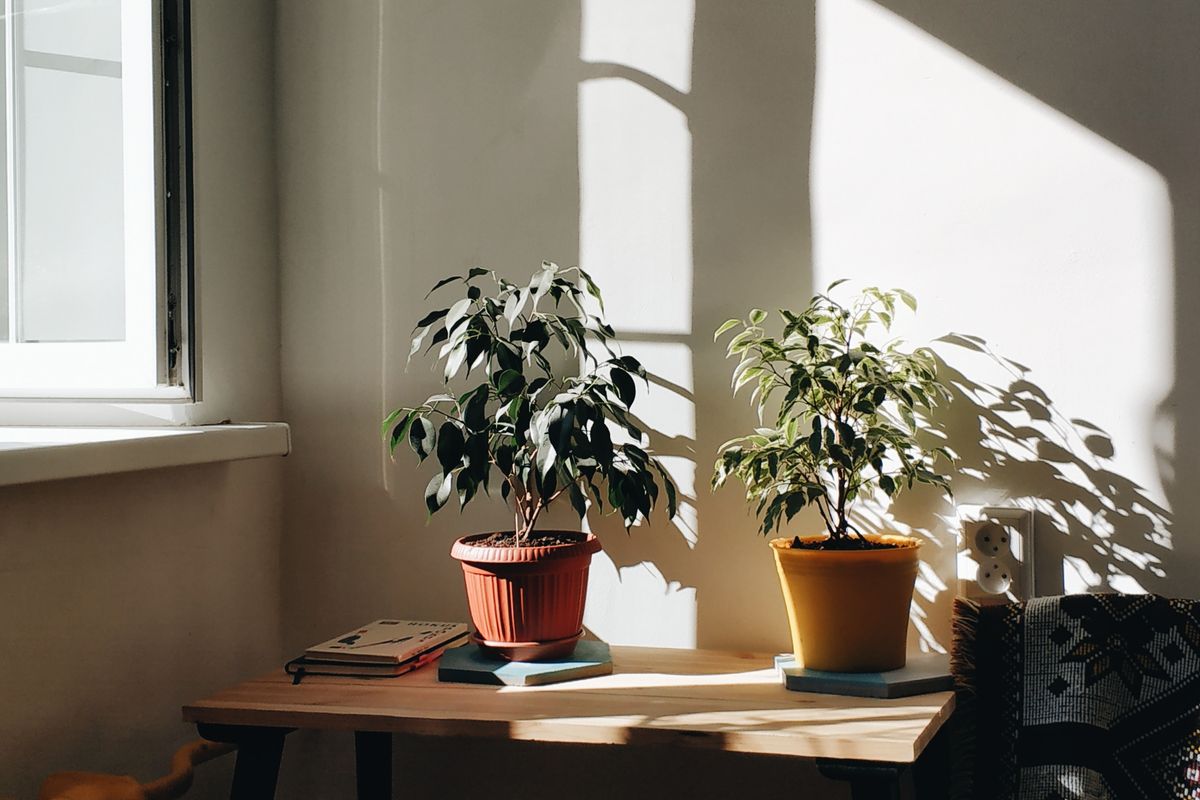
Choose a stable support, identify climbing growth, and attach a monstera without restricting leaf stalks or damaging the main stem.
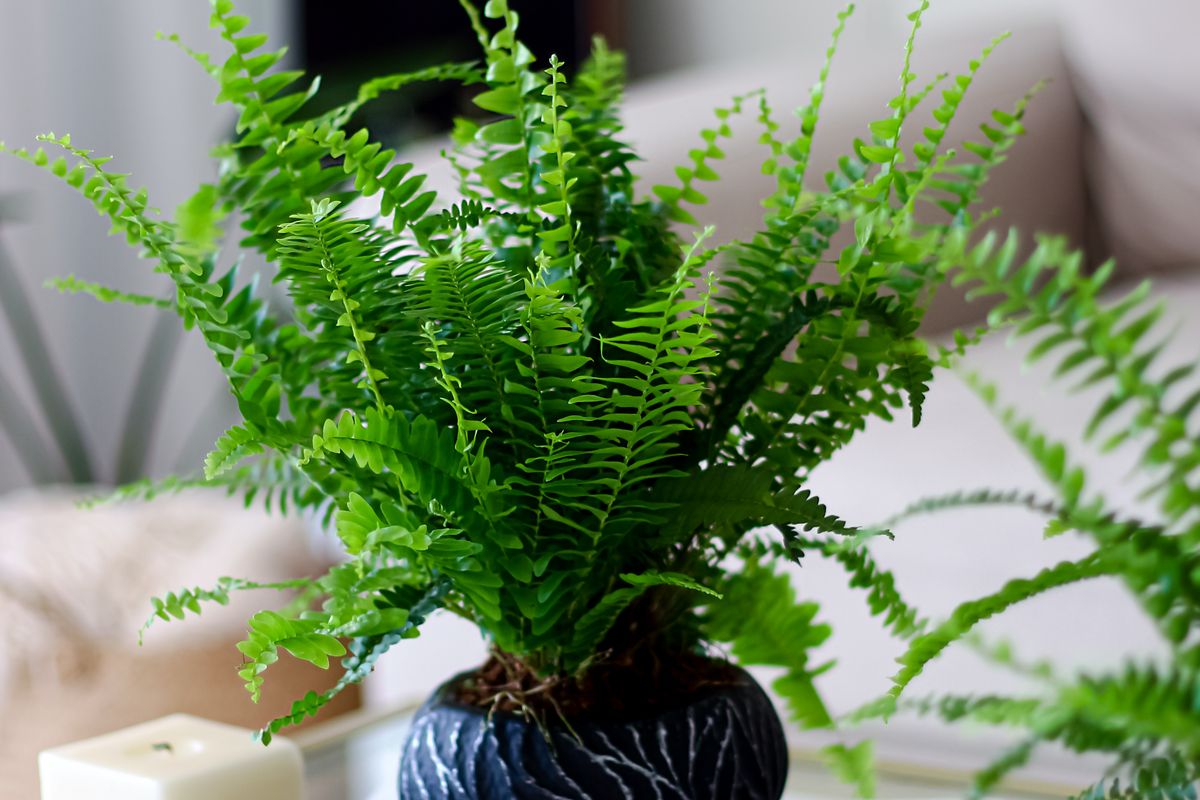
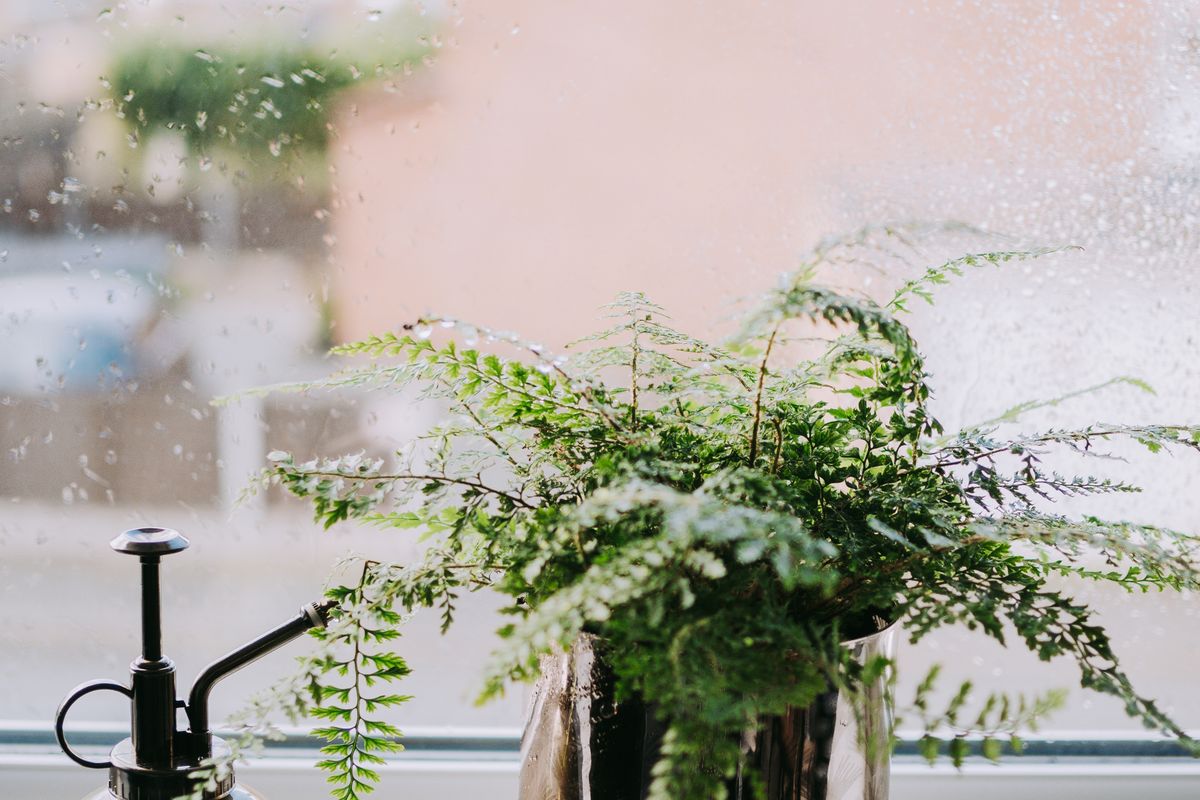
Balance moisture, usable light, humidity, and airflow for a Boston fern, while investigating brown fronds without overwatering.
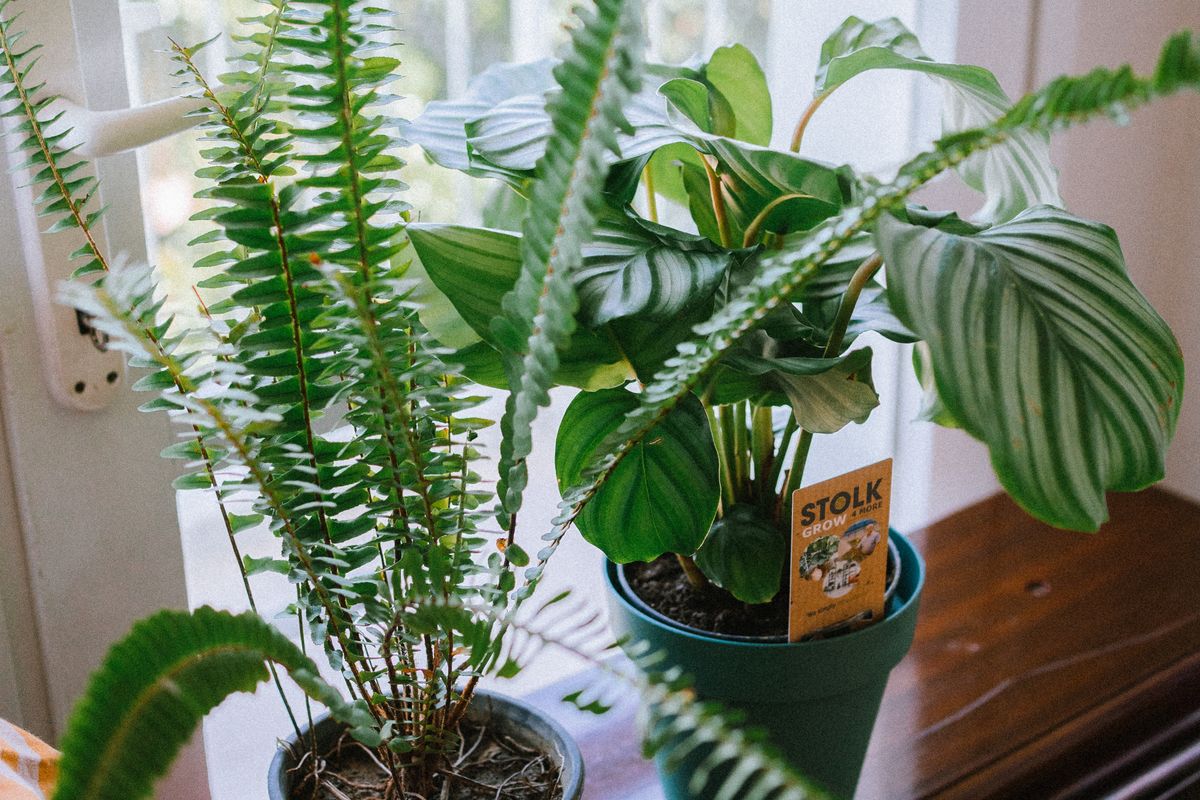
Select healthy spider plant offsets, establish their roots, and give young plants suitable pots without overcrowding your windowsill.
Remove dust from different leaf surfaces gently, using appropriate tools and clean water instead of oils and cosmetic shine products.
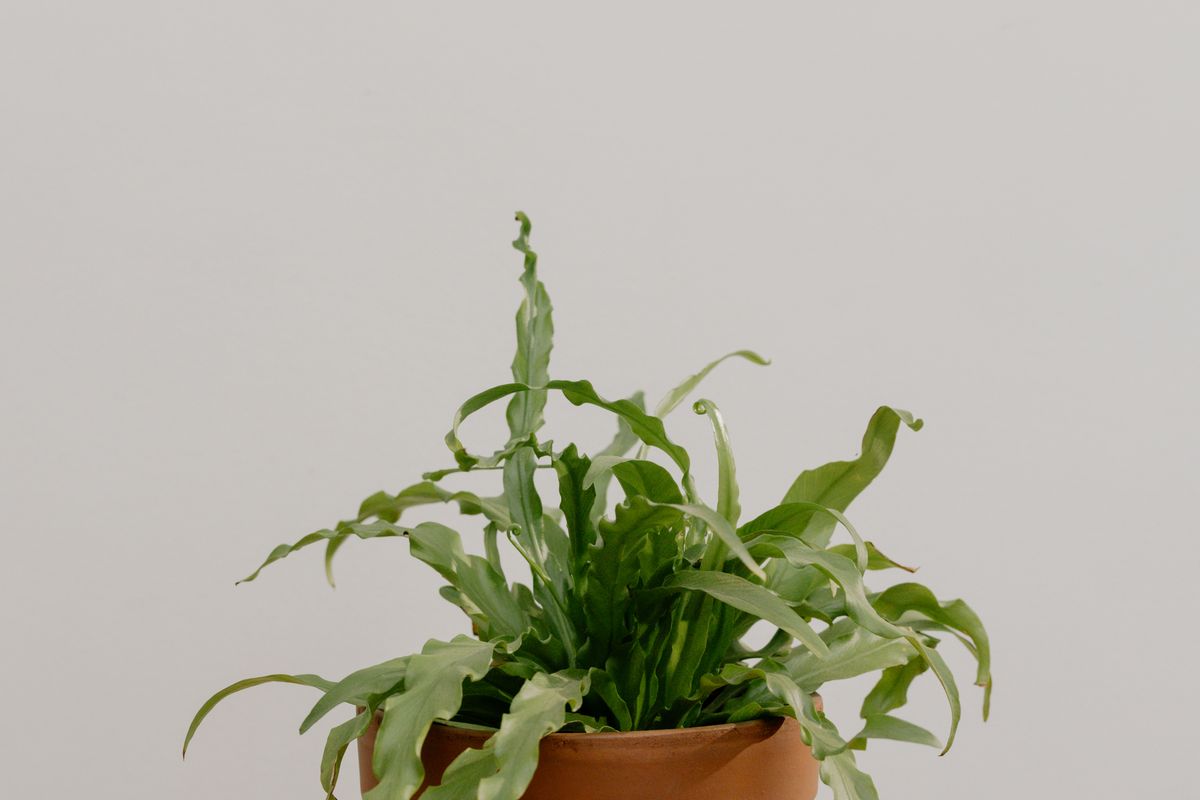
Inspect a new plant, choose a suitable place, and use its first two weeks to learn its conditions before making unnecessary changes.
From the first seed to the last bloom.
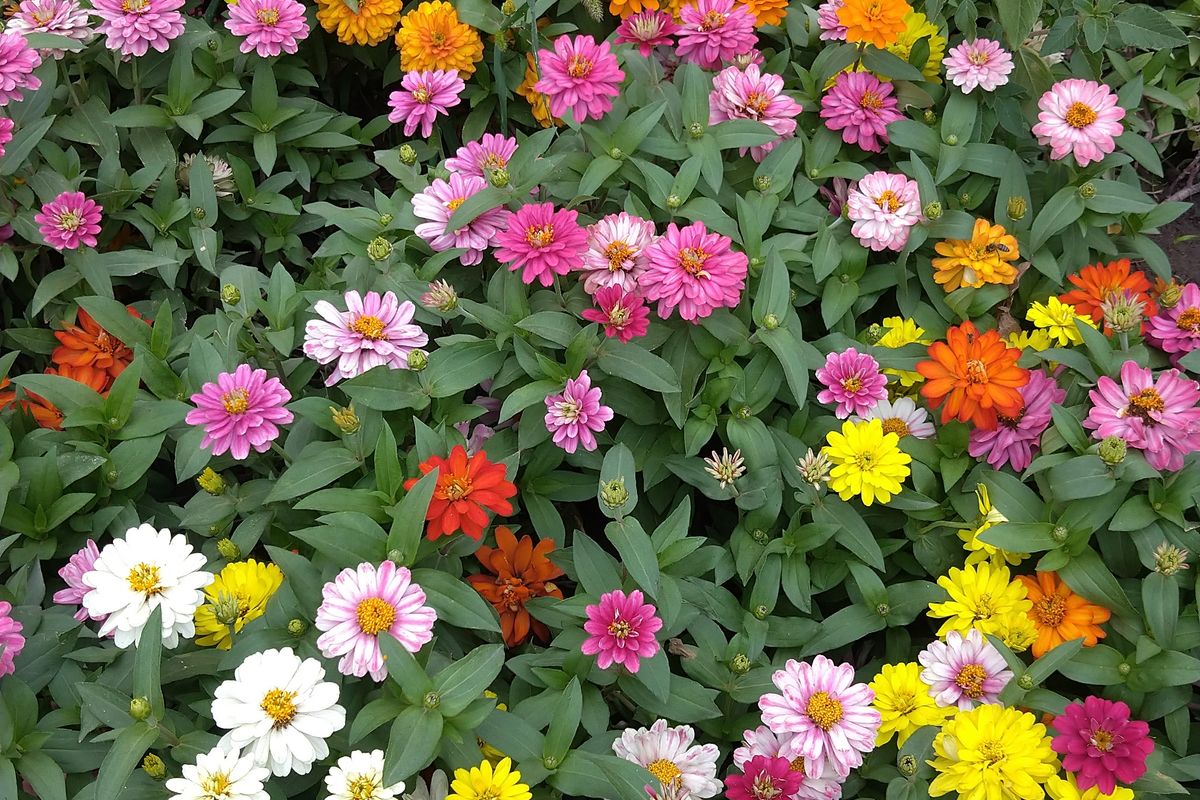
Plan warmth, sun, spacing, and cutting for productive zinnias, with practical ways to encourage continued flowering through the growing season.
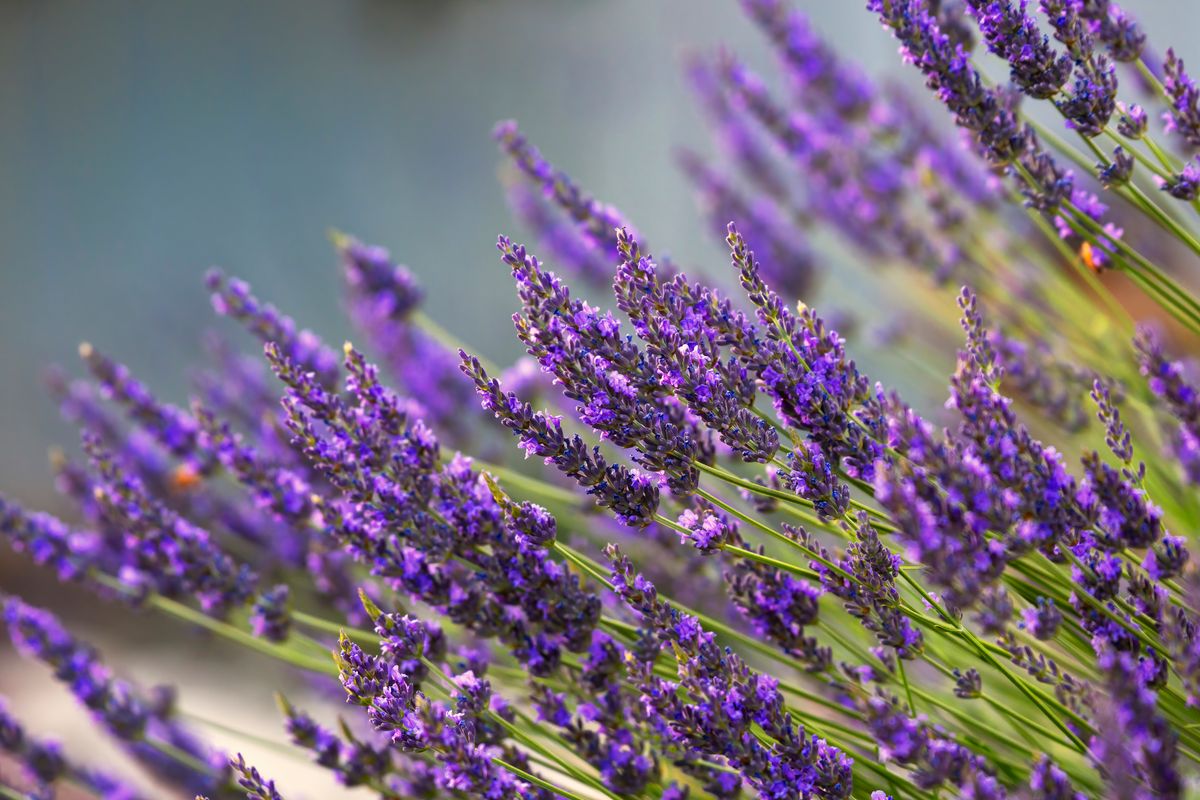
Match lavender to a sunny position and freely draining container, then adapt watering and pruning to the type you grow.
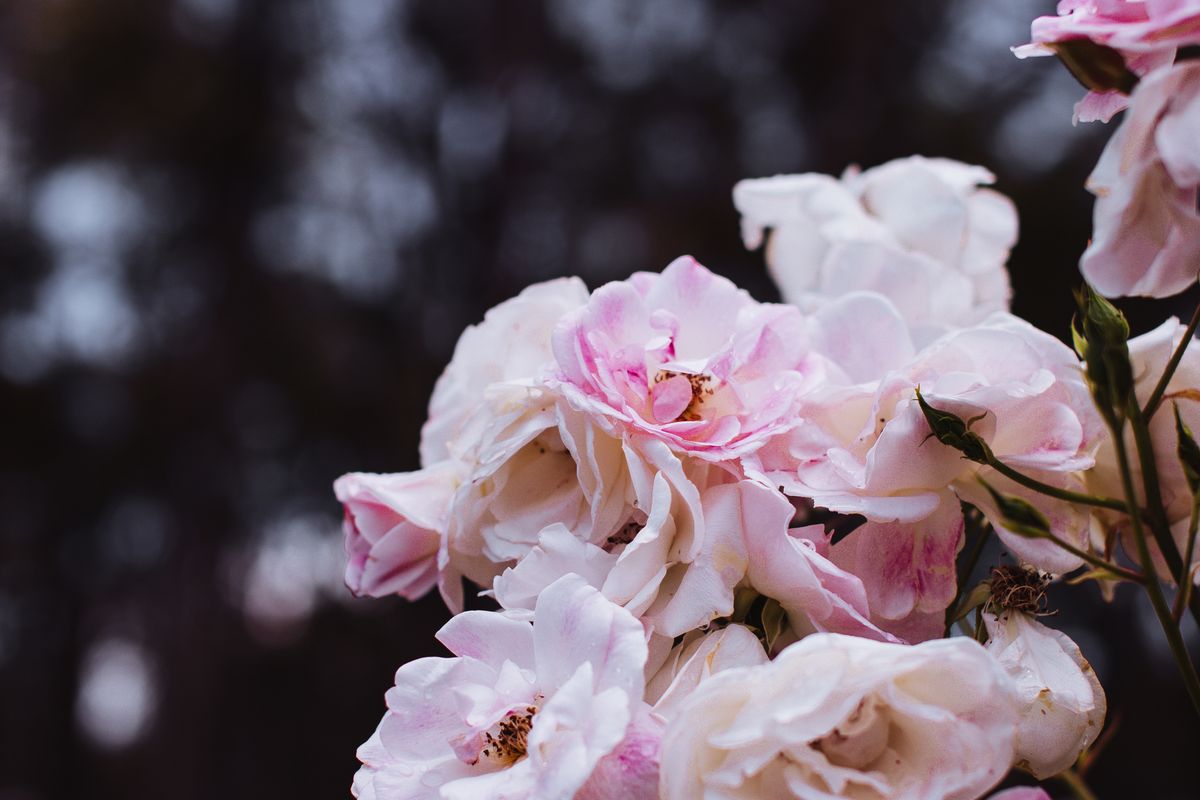
Choose a substantial container, build a suitable root environment, and plan watering, feeding, and pruning for a rose grown in a pot.
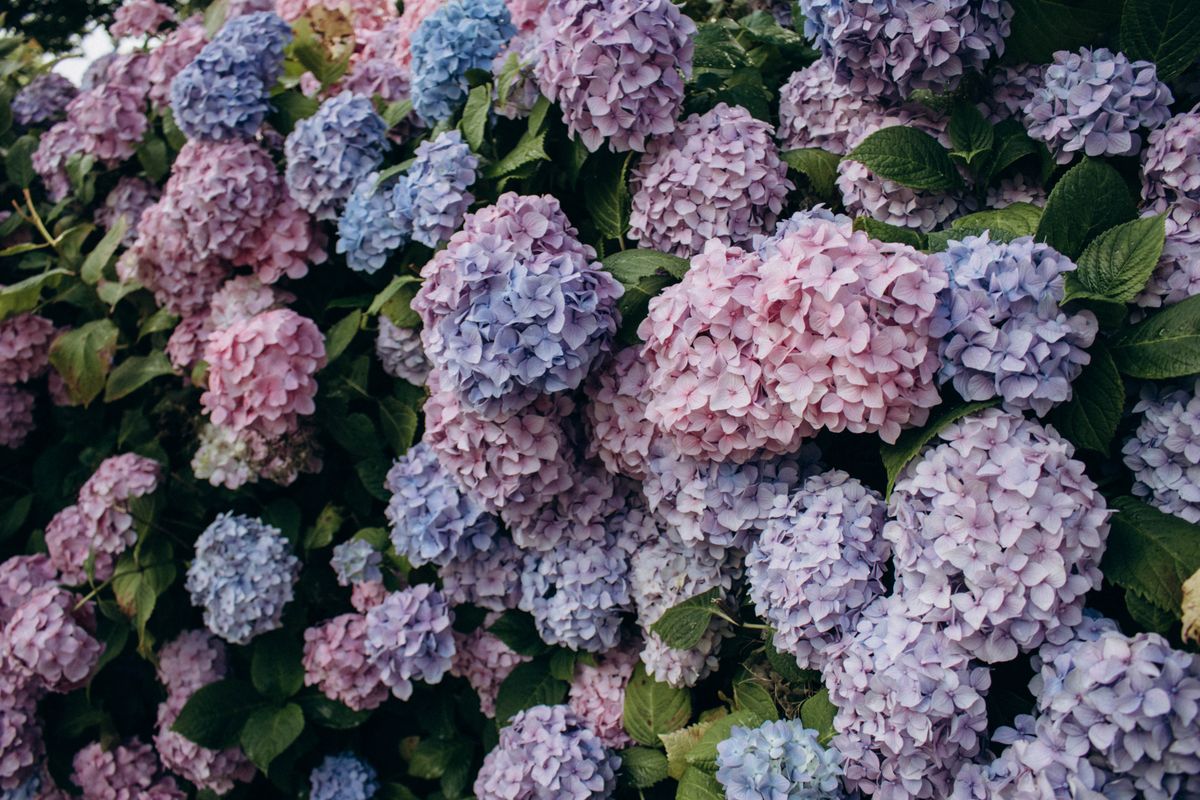
Identify your hydrangea before pruning, distinguish wilt from watering needs, and understand why flower colour is not always adjustable.
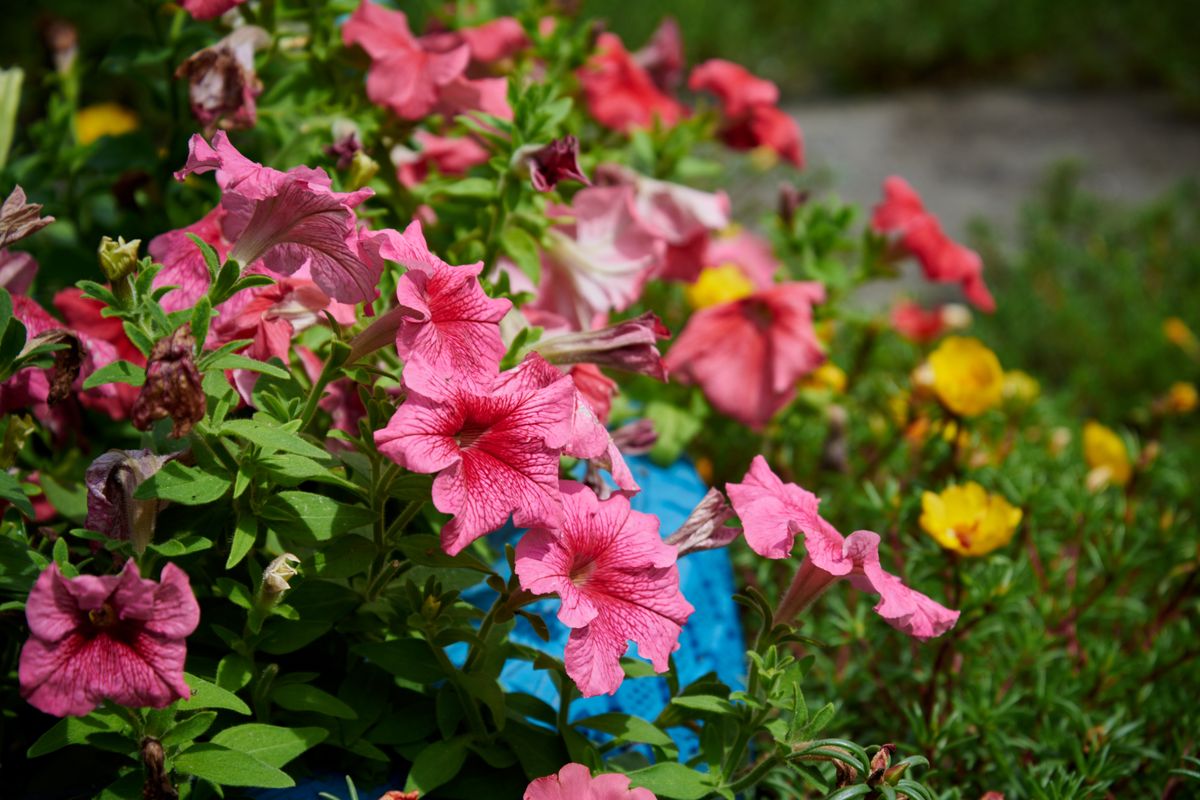
Raise sweet peas with room for roots, install support early, and time planting and picking around local growing conditions.
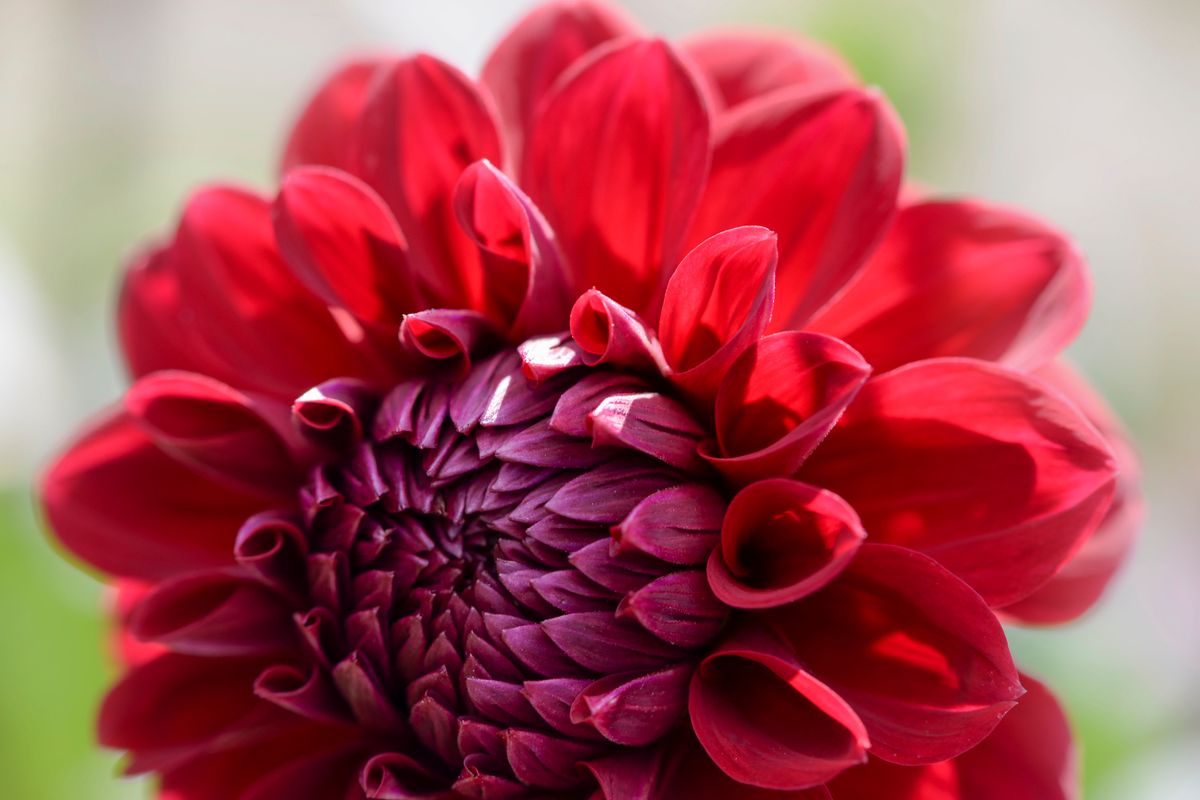
Choose stakes, frames, and soft ties that support dahlia growth before heavy flowers and summer storms test the stems.
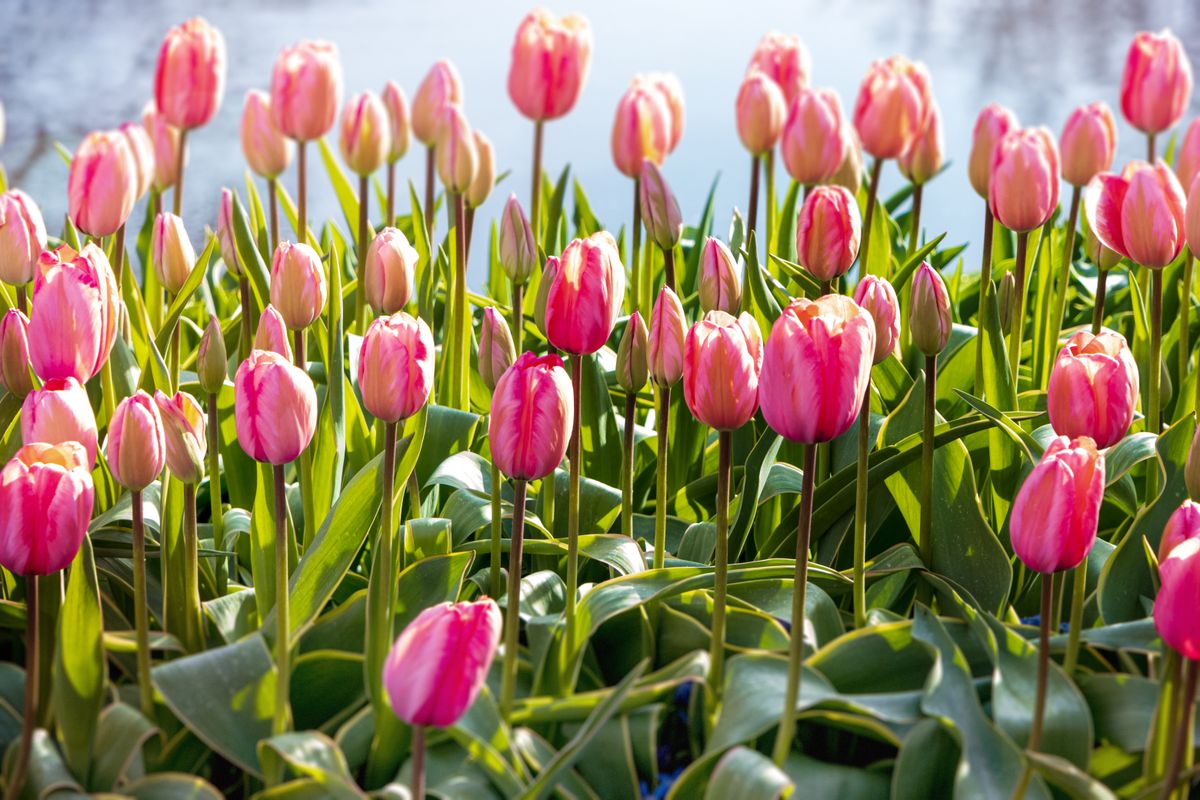
Plan a container tulip display from bulb selection and cool-season planting through spring watering and after-flowering care.
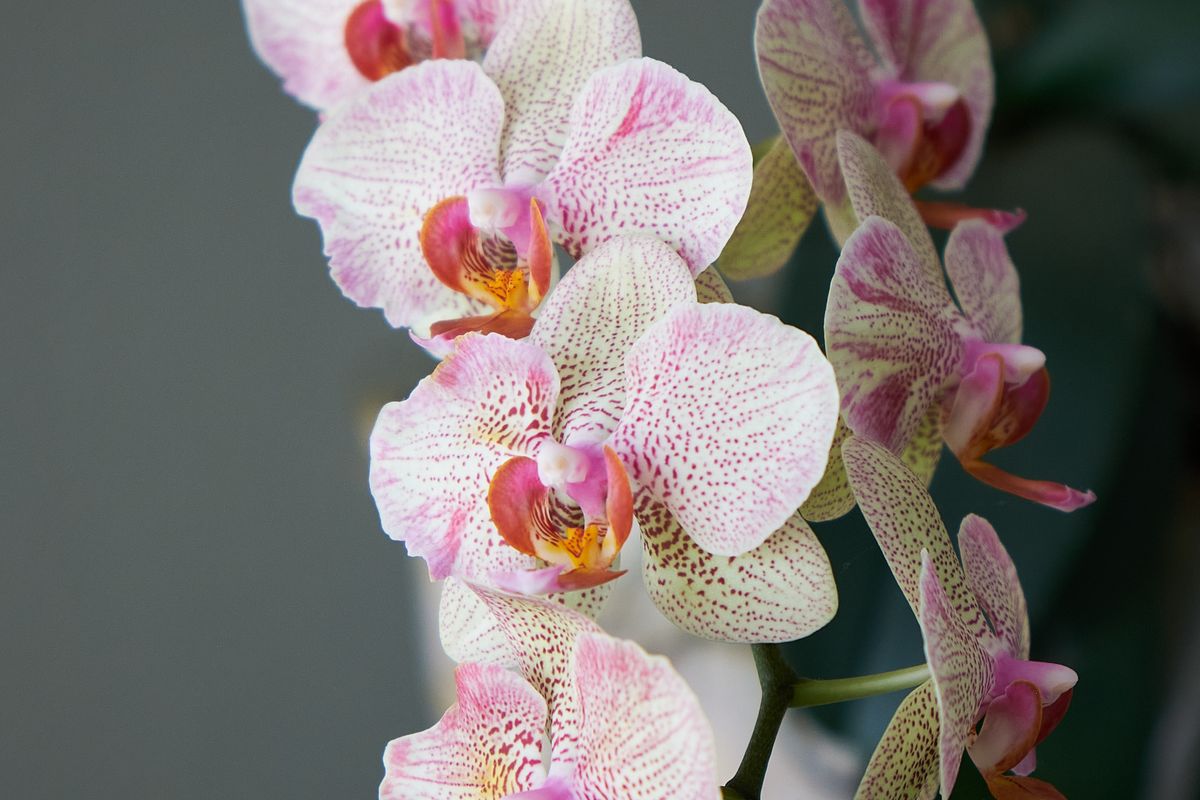
Understand moth orchid roots, bark, drainage, light, watering, and the quieter growth that follows a flowering display.
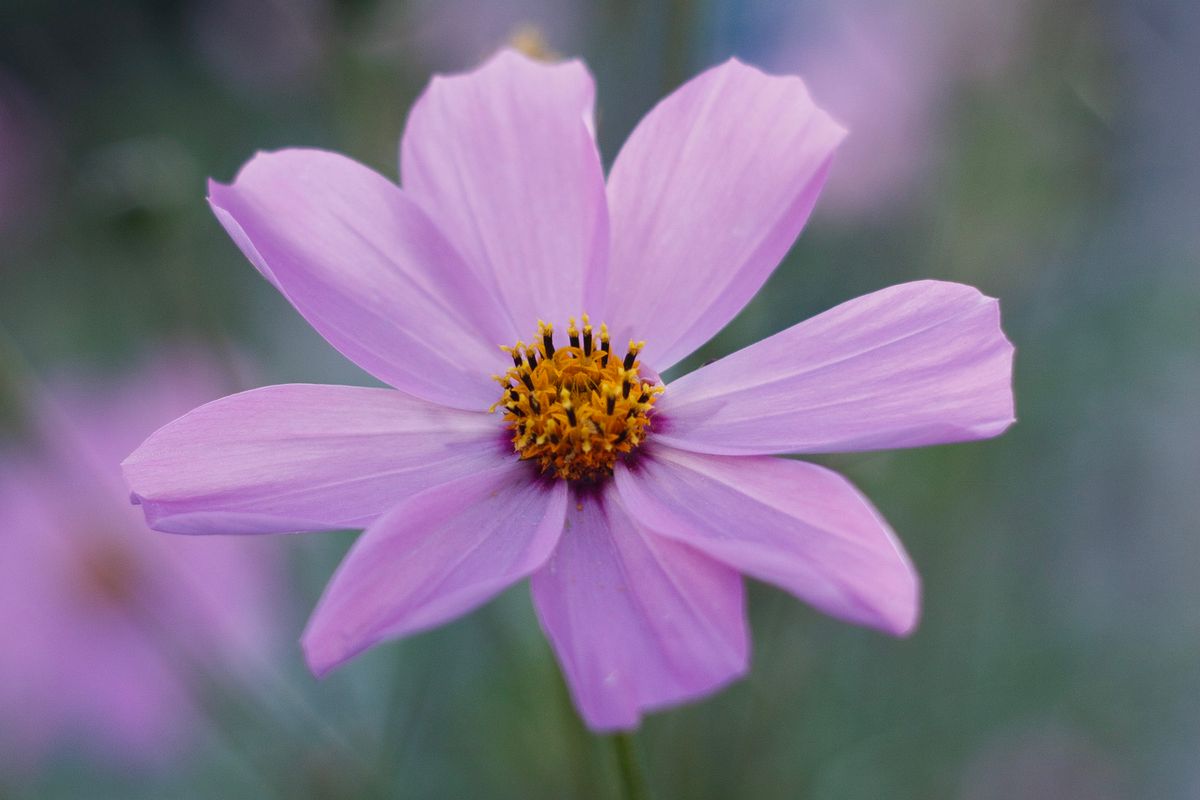
Learn where to cut spent blooms, which seed heads to retain, and when deadheading will or will not encourage more flowers.
Thoughtful spaces, living soil, and the pleasure of growing.
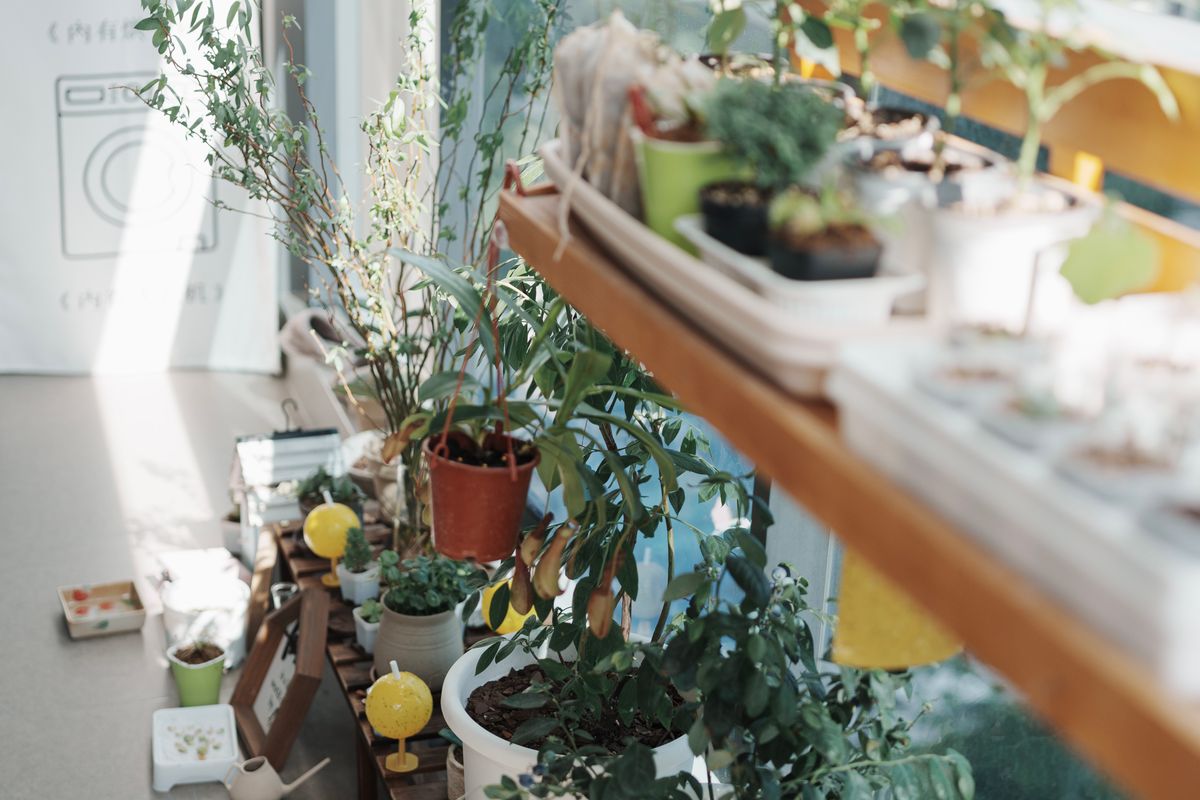
Plan a balcony garden around its approved load, wind pockets, watering route and mature plant size before choosing containers.
Make useful garden compost in a small space by balancing ingredients, moisture and access, then giving the finished batch time to mature.
Choose, spread and maintain garden mulch while keeping trunks, crowns and emerging plants clear of smothering material.
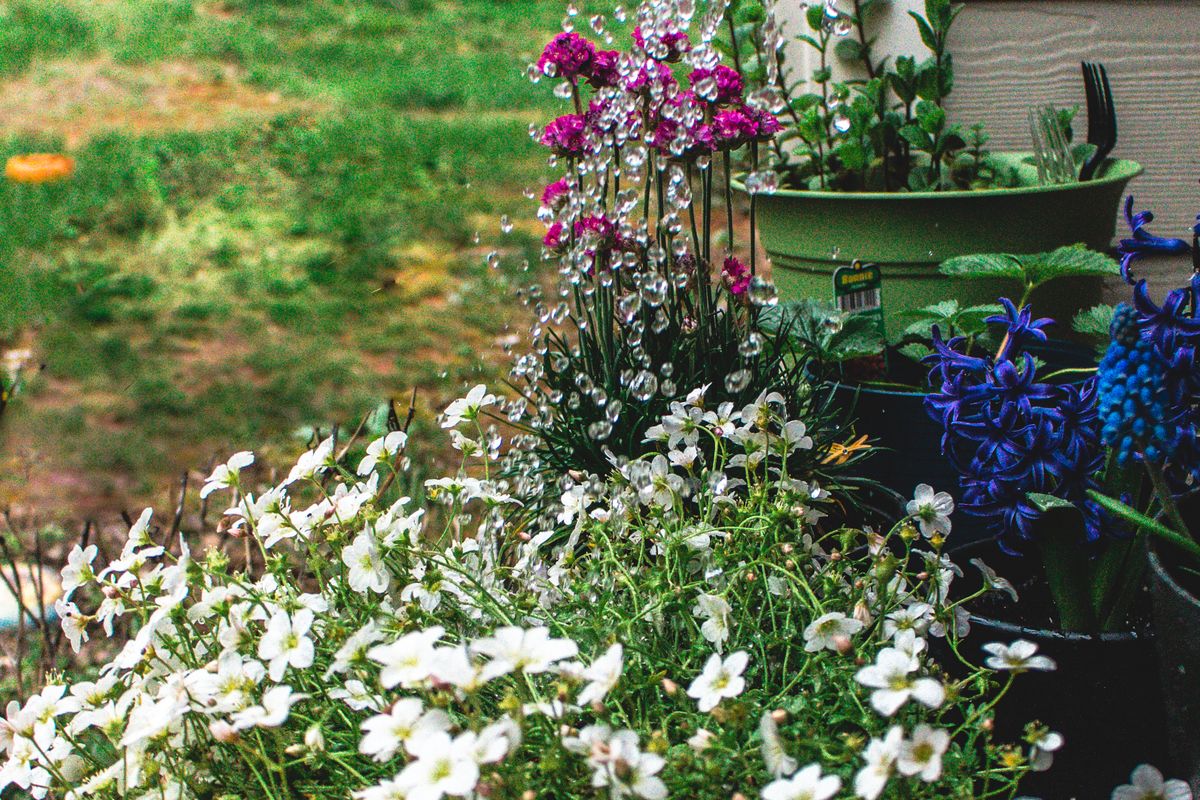
Water outdoor pots through hot spells by checking the root ball, applying slowly and reducing heat and wind stress.
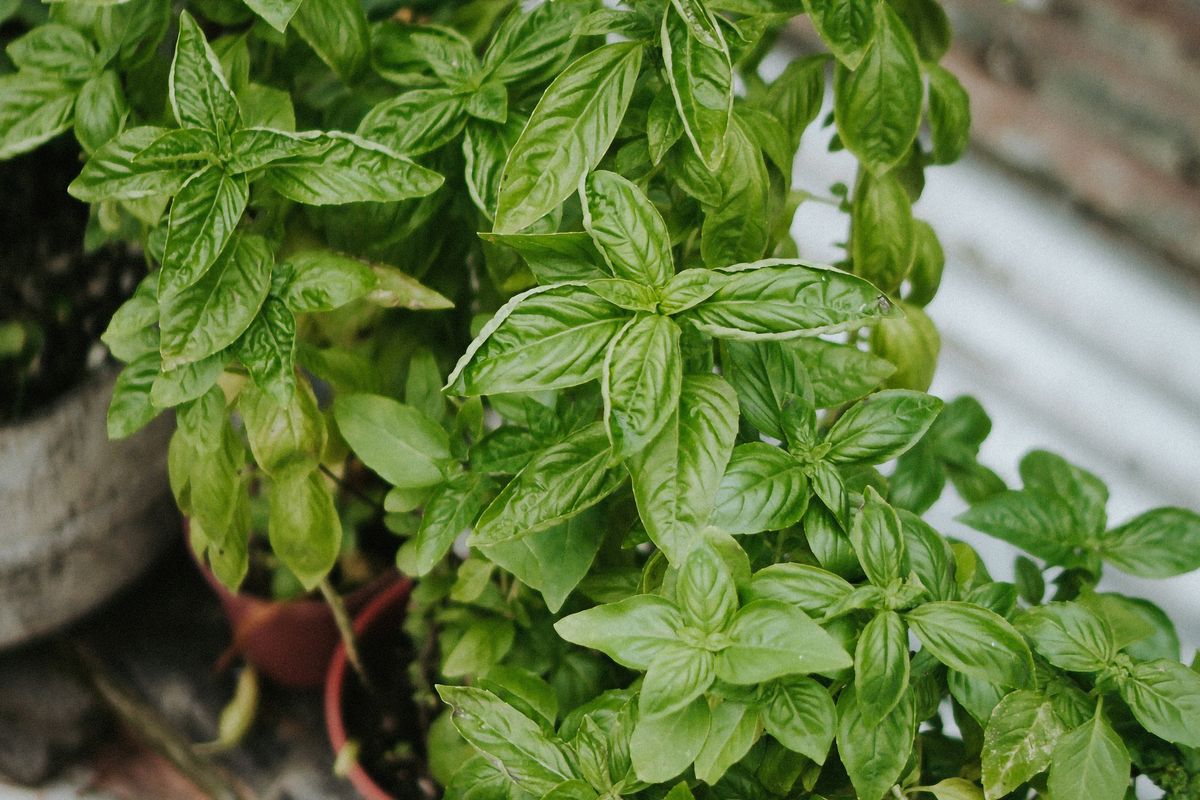
Grow a useful herb collection by separating dry-loving woody herbs, moisture-loving leaves and cold-sensitive annuals.
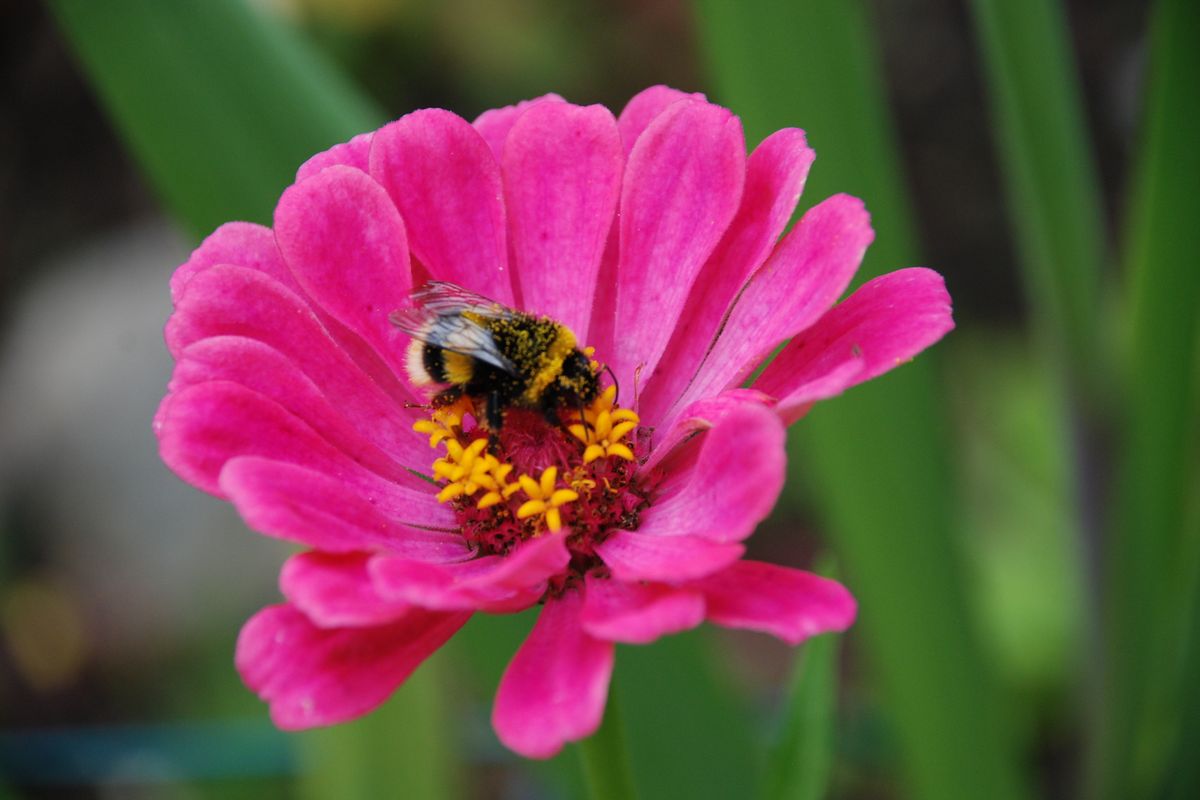
Build a compact pollinator patch with a succession of suitable flowers, accessible flower shapes and undisturbed habitat.
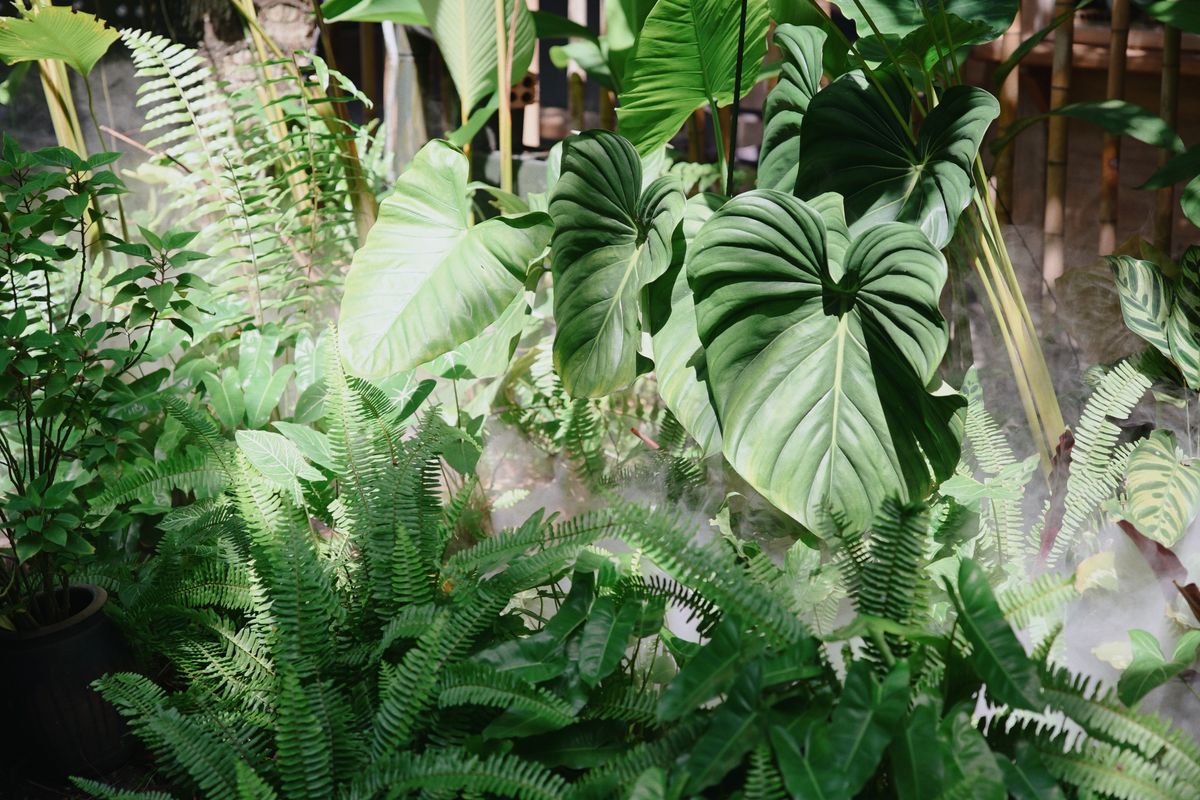
Turn a shaded corner into a layered planting by distinguishing dry root competition from genuinely moist shade.
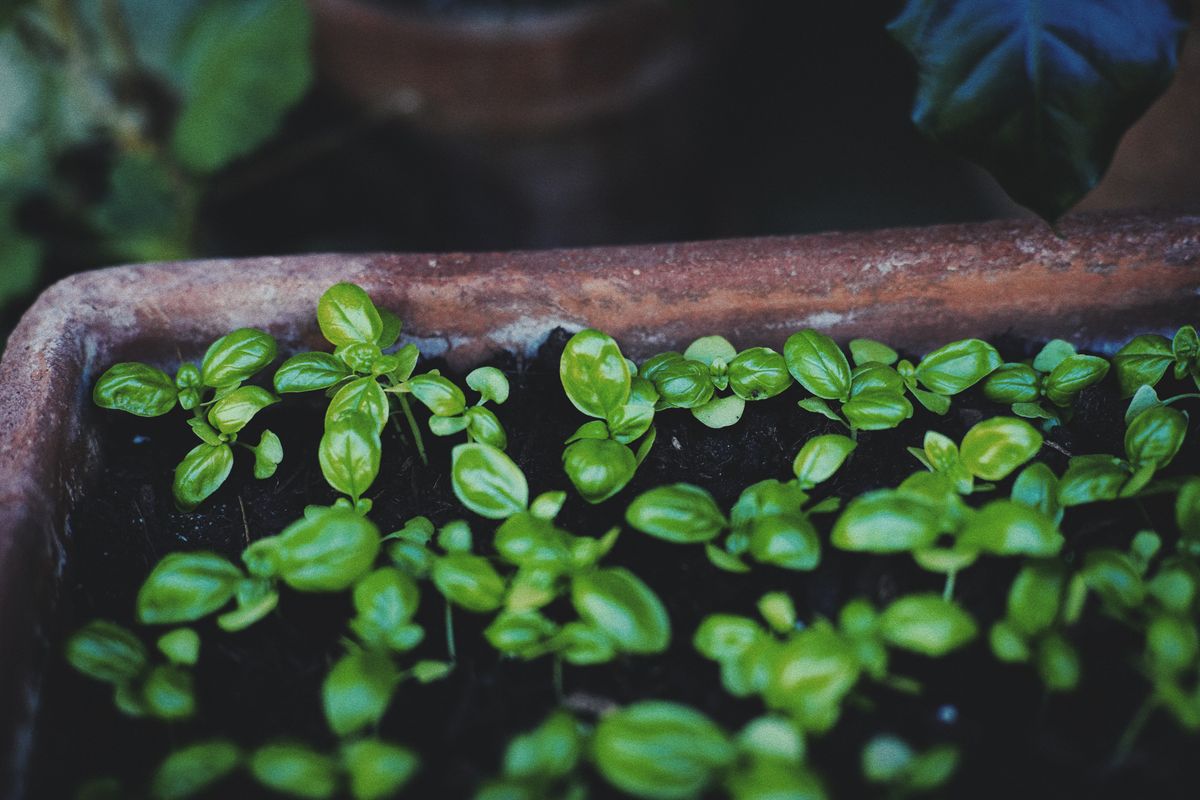
Start only the seedlings you can grow on well, with a local sowing calendar, prompt light and a gradual move outdoors.
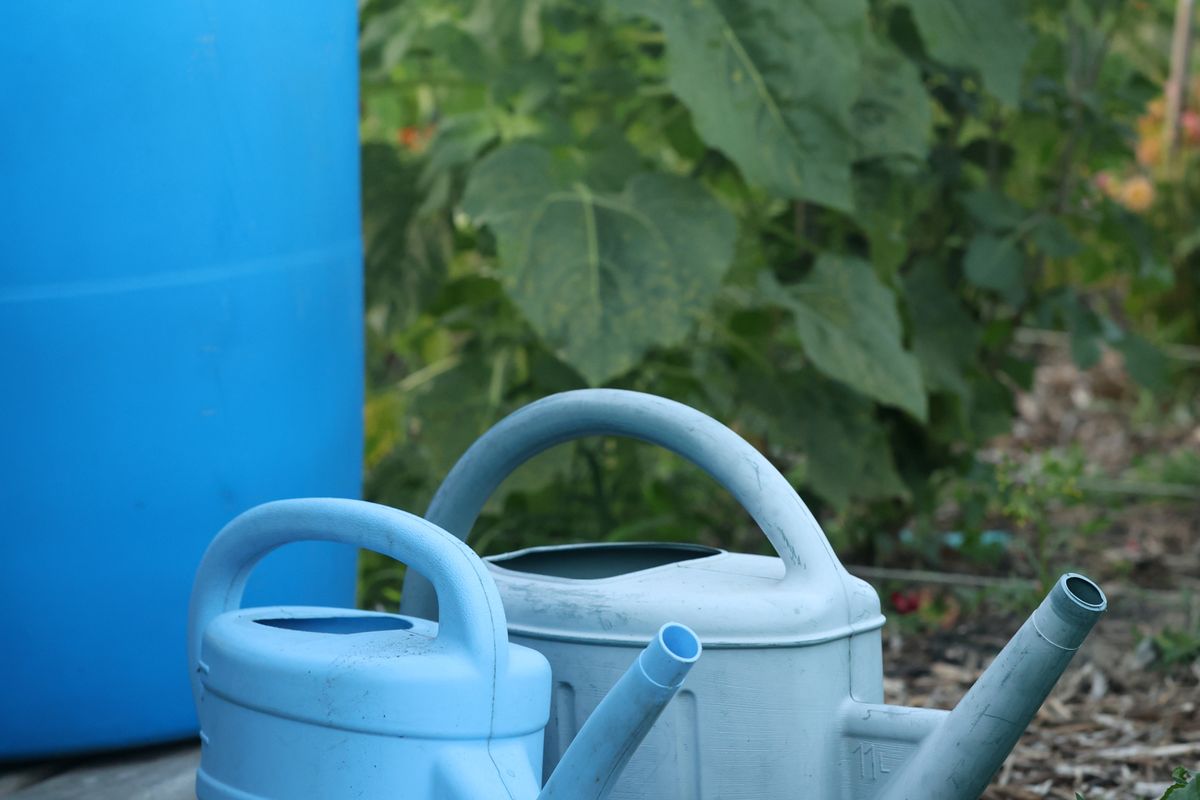
Plan covered non-potable rainwater storage with a stable base, screened openings, safe overflow and realistic dry-weather demand.
A kinder, more observant approach to the birds around us.
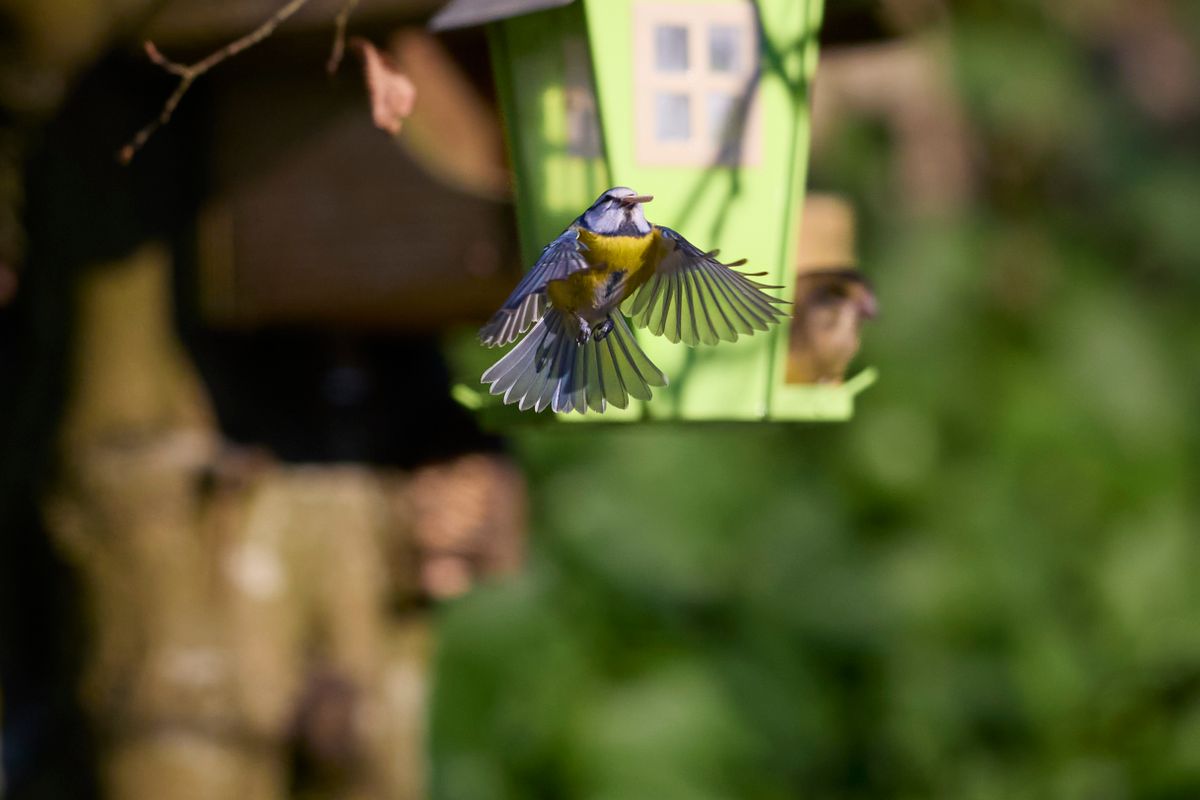
Choose a usable basin, a safe approach, and a cleaning routine that keeps garden water genuinely useful to visiting birds.
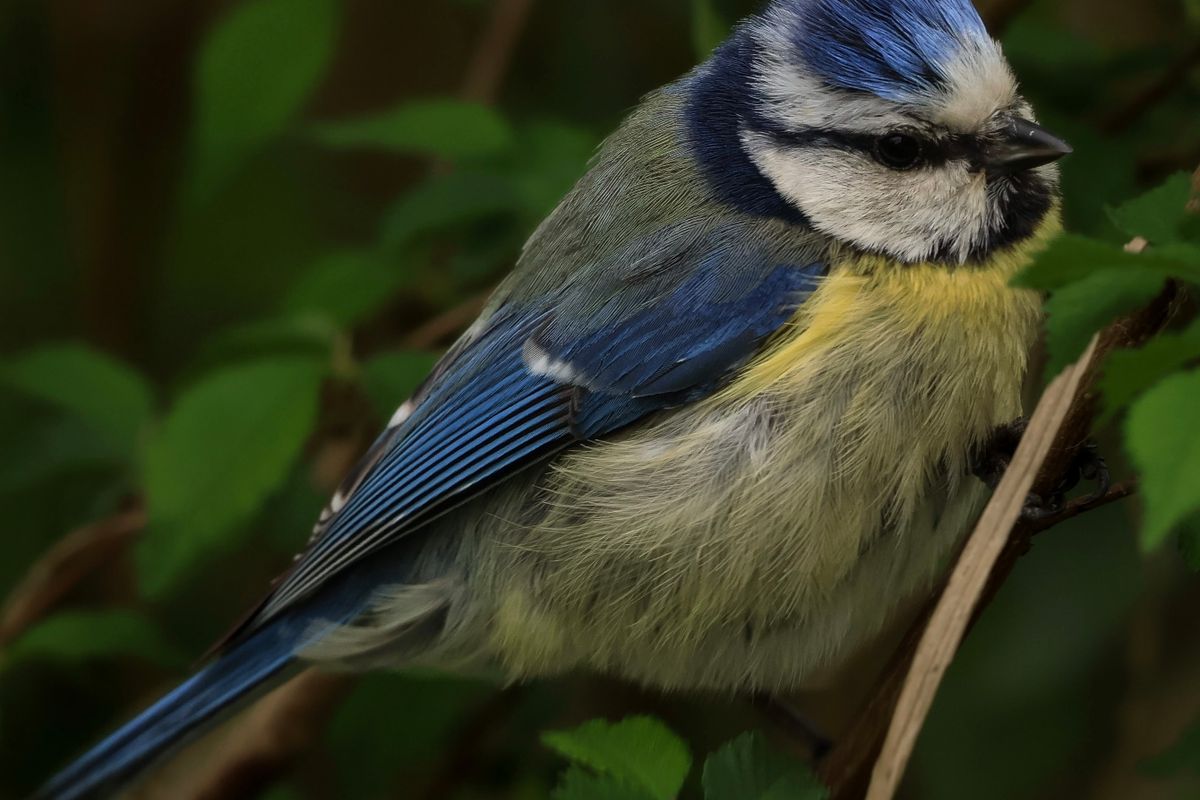
Keep feeding equipment cleanable, food dry, and the surrounding ground free of accumulated waste with a practical inspection routine.
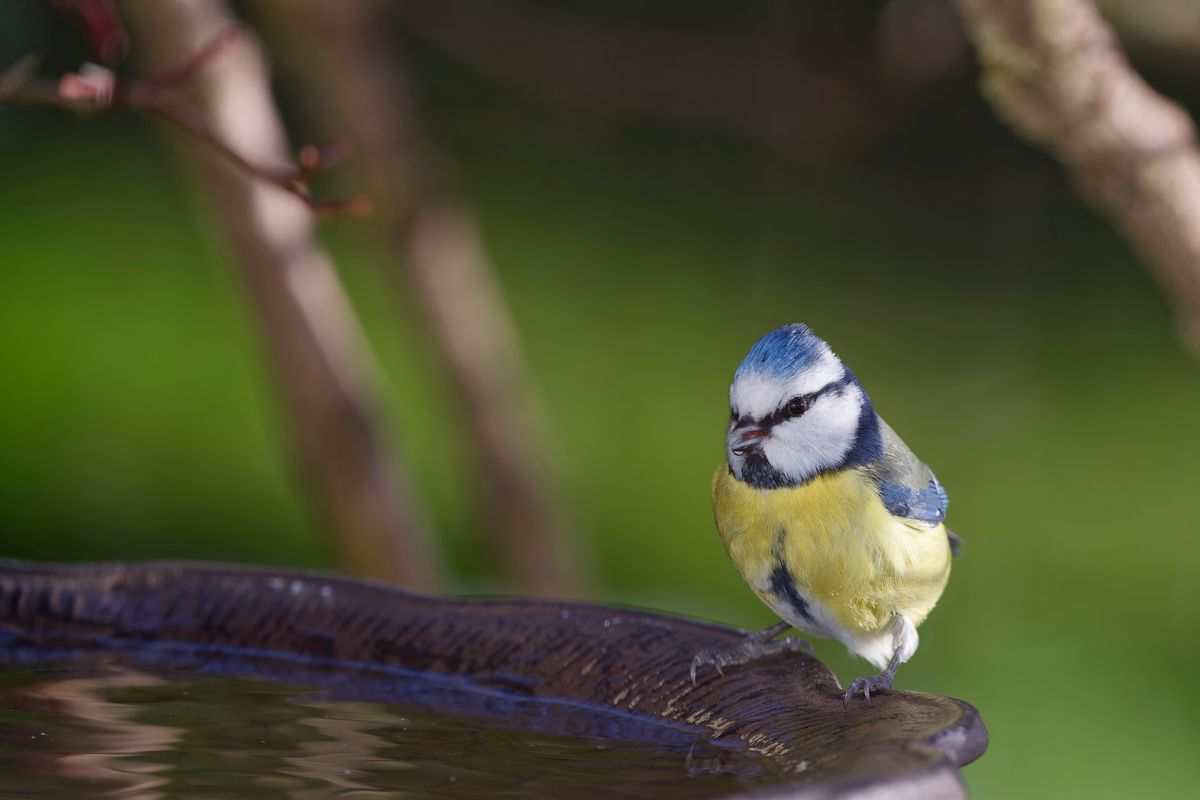
Plan layers of bird-friendly planting for food, shelter, insects, and safer movement through a small outdoor space.
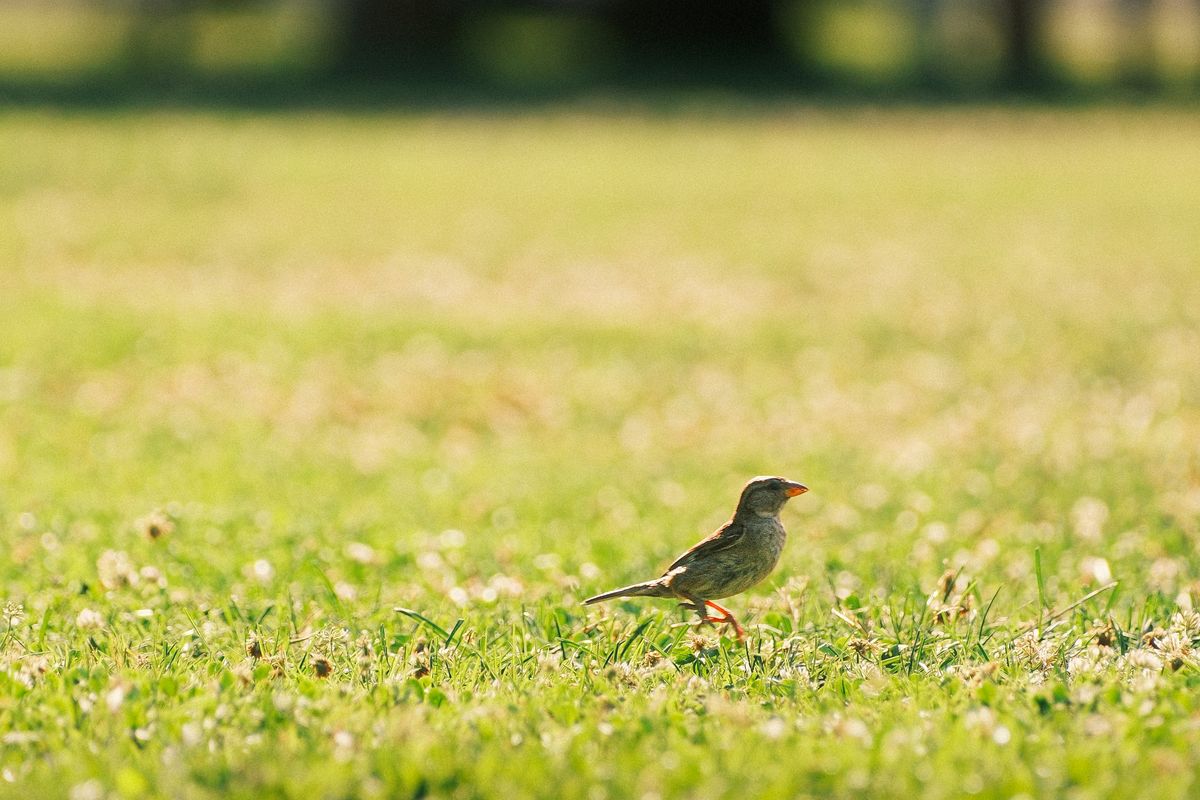
Understand reflections and transparent flight paths, then choose external window treatments designed to reduce bird collisions.
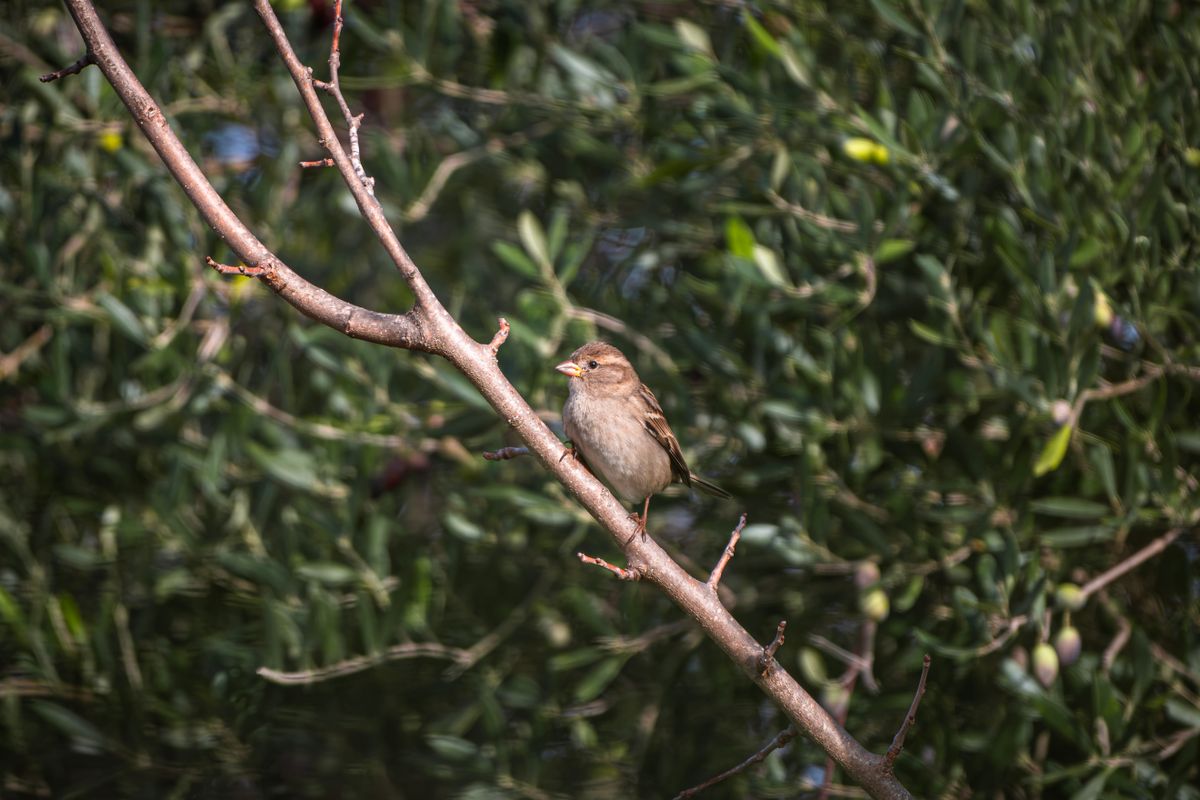
Record birds, effort, weather, and uncertainty in a simple notebook that reveals patterns without overstating what you saw.
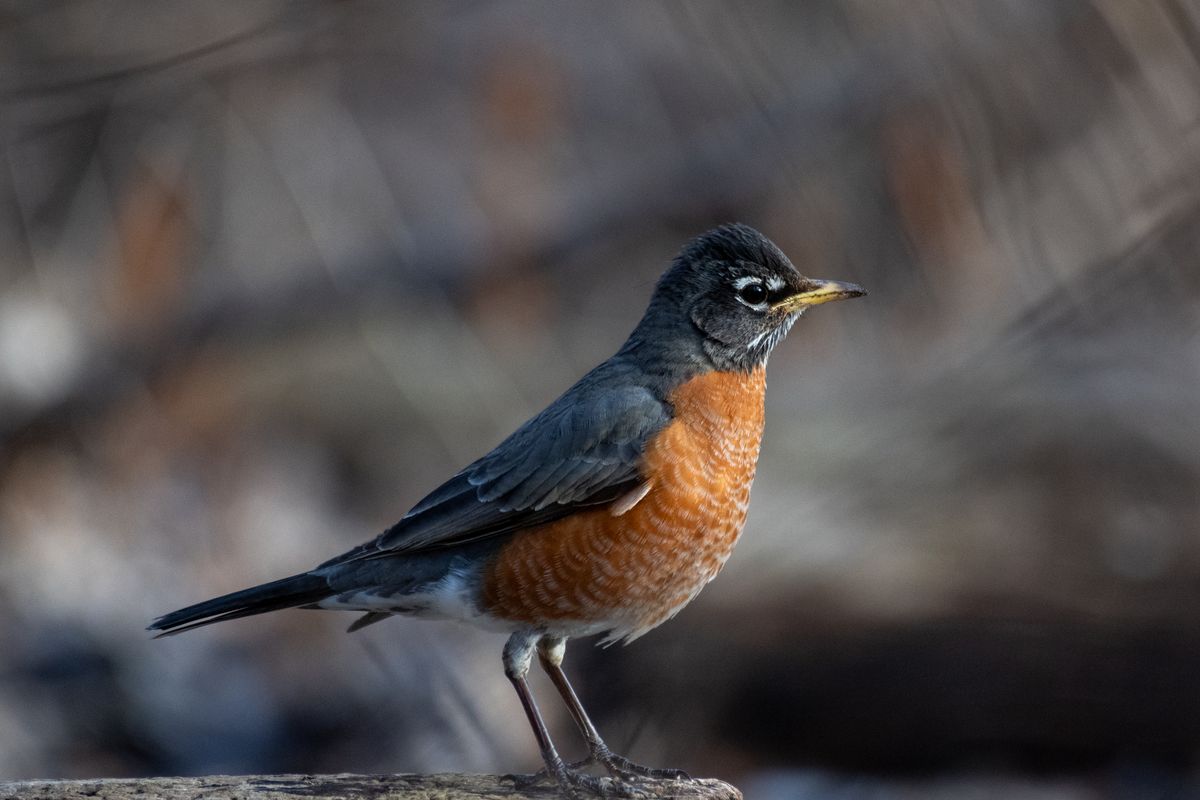
Offer suitable cover and nesting opportunities while keeping inspections, garden work, and curiosity from becoming disturbance.
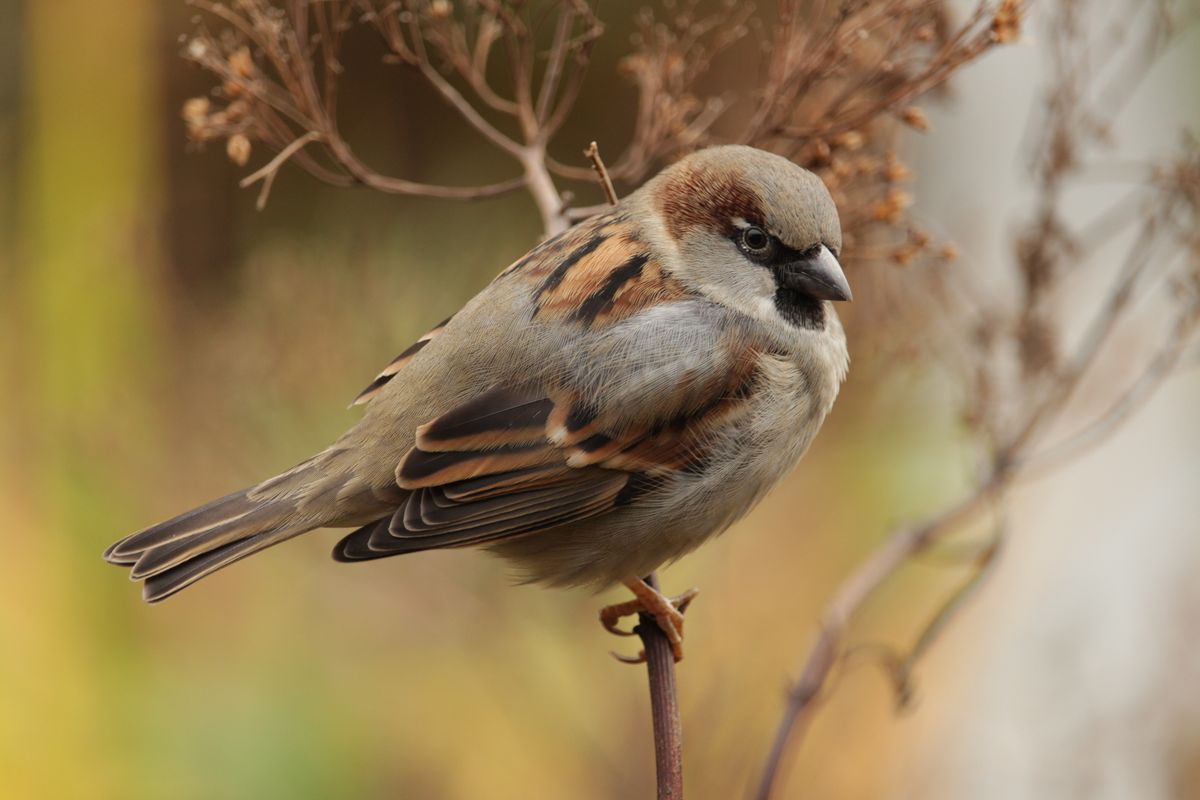
Keep water clean and usable, protect shade, and adjust garden tasks during hot weather without disturbing vulnerable wildlife.
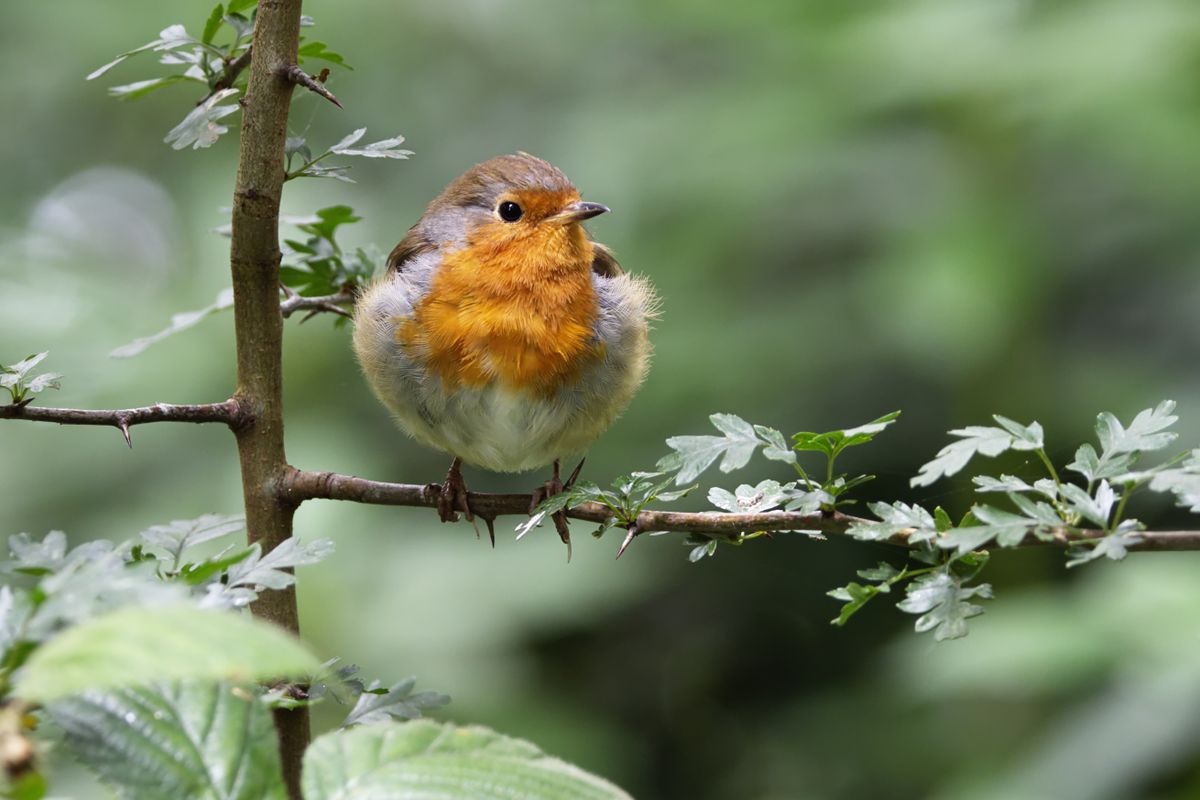
Maintain safe water access, suitable shelter, and a clean feeding routine where local winter bird-feeding advice supports it.
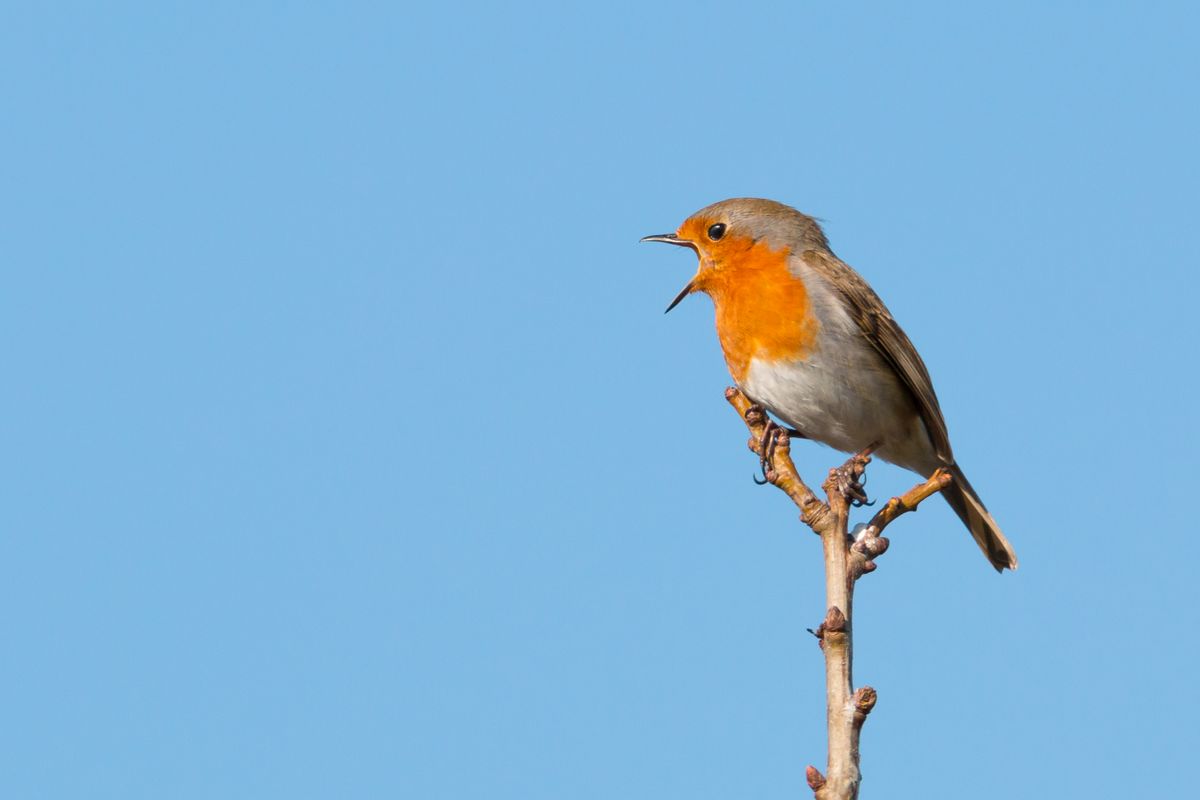
Assess reflective glazing, exposed edges, pets, runoff, and building rules before inviting wild birds onto a balcony.
Healthy freshwater habitats, built one good habit at a time.
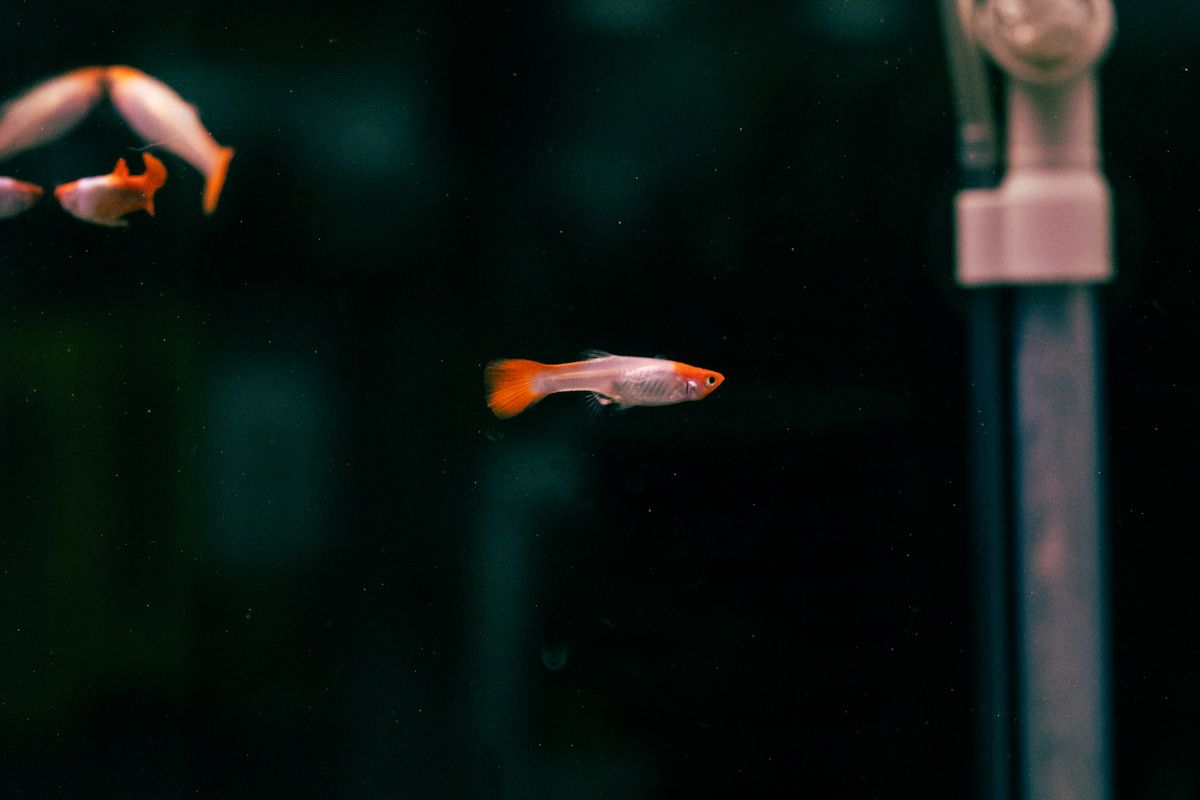
Choose suitable adult fish first, then design a sufficiently sized, filtered, cycled aquarium around their needs and your available maintenance time.
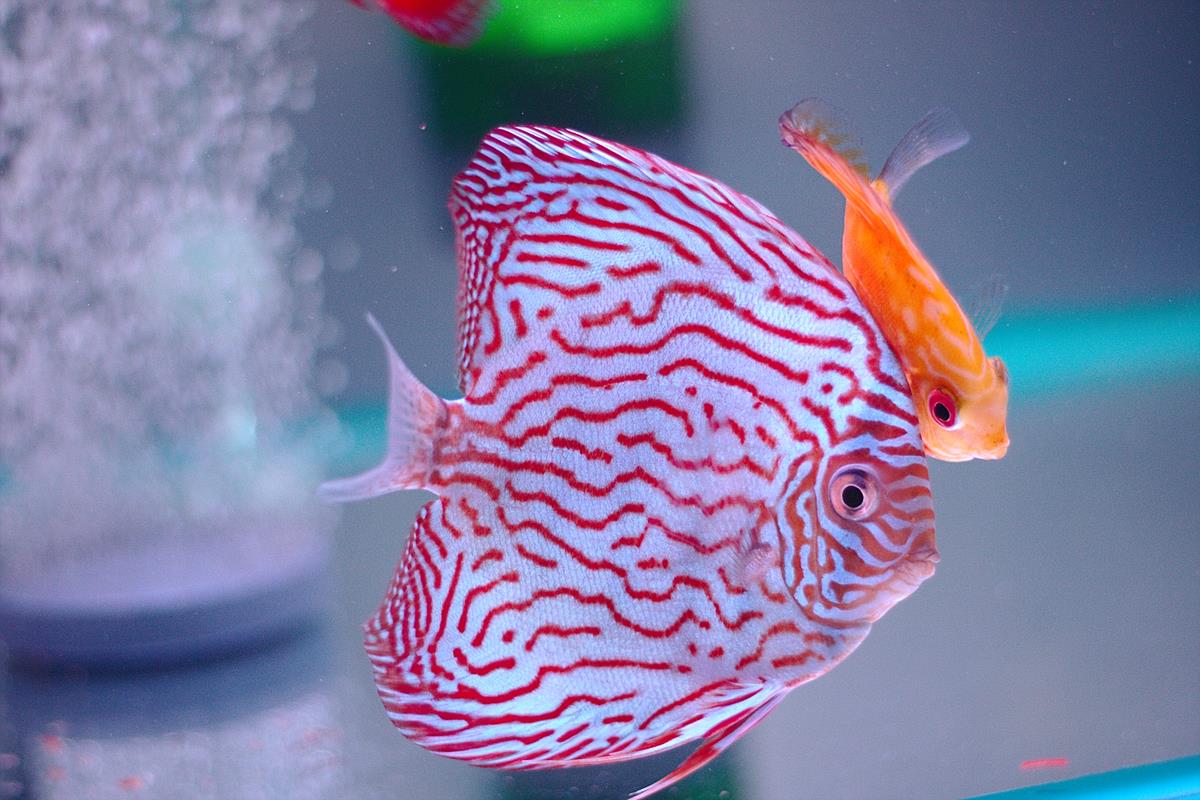
A fishless cycle prepares biological filtration using a controlled method and repeated water tests; it is complete by evidence, not by a promised date.
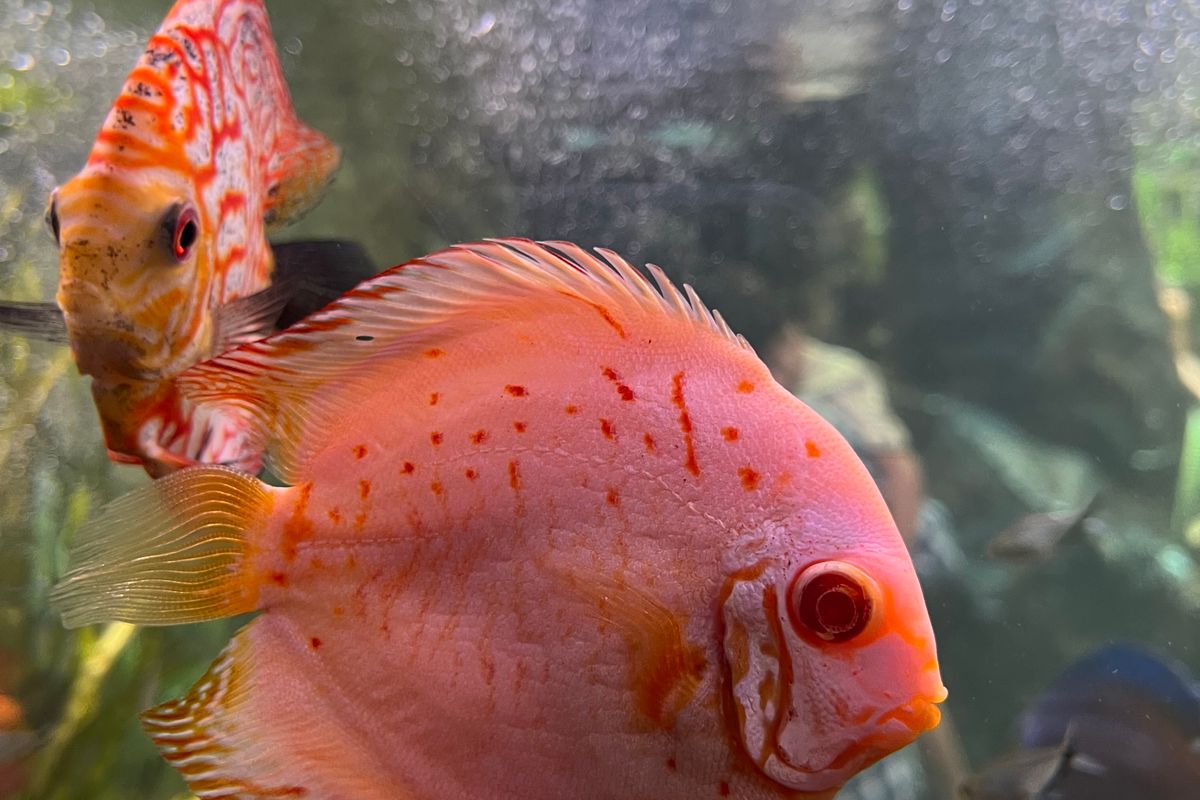
Use reliable tests, follow the instructions exactly, and interpret readings alongside the species, source water, and recent aquarium history.
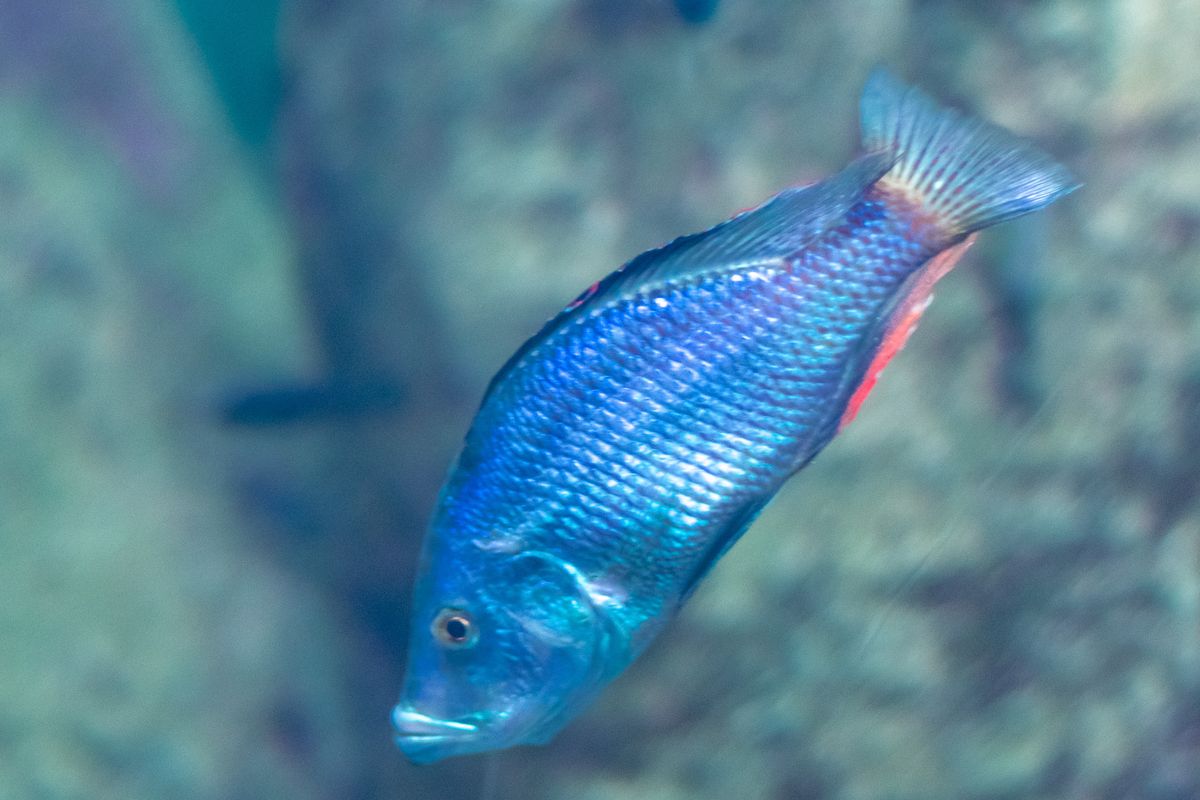
Prepare suitable replacement water, remove a controlled portion, protect equipment, and refill slowly while keeping fish in stable conditions.
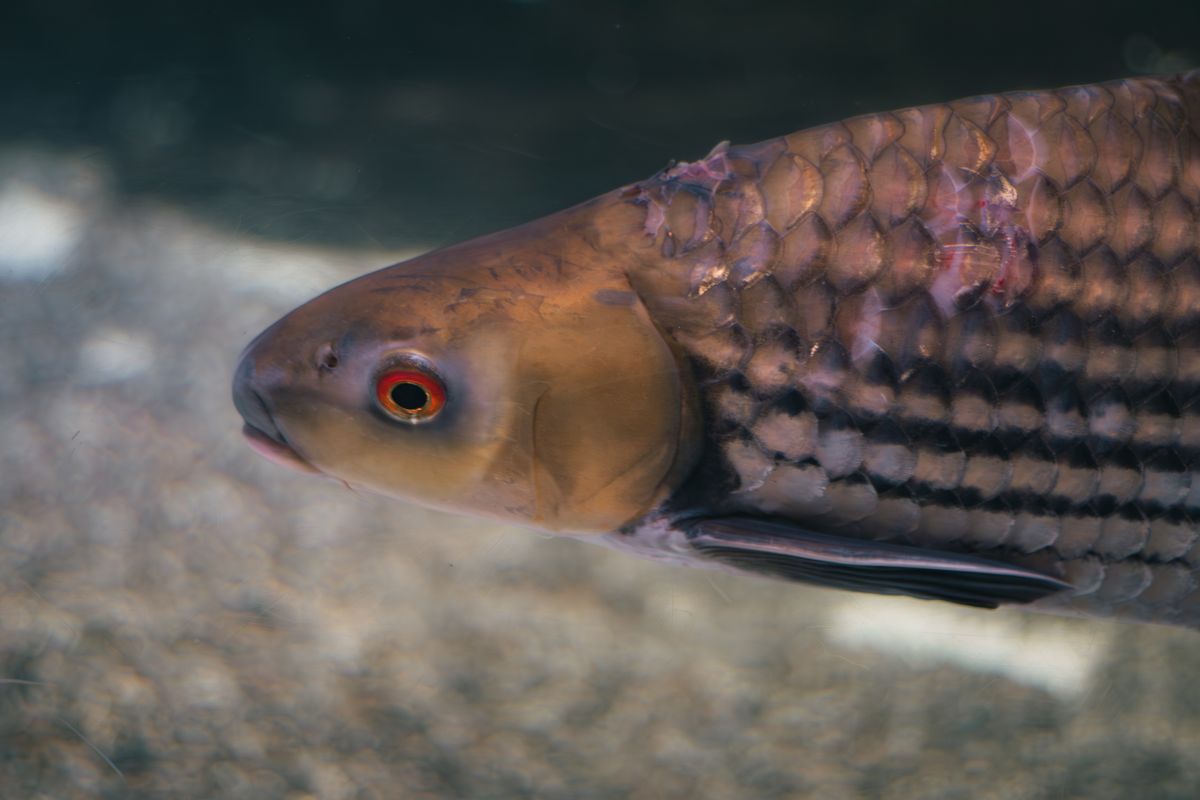
Match adult size, water requirements, social needs, and behavior before combining fish; a peaceful label does not guarantee compatibility.
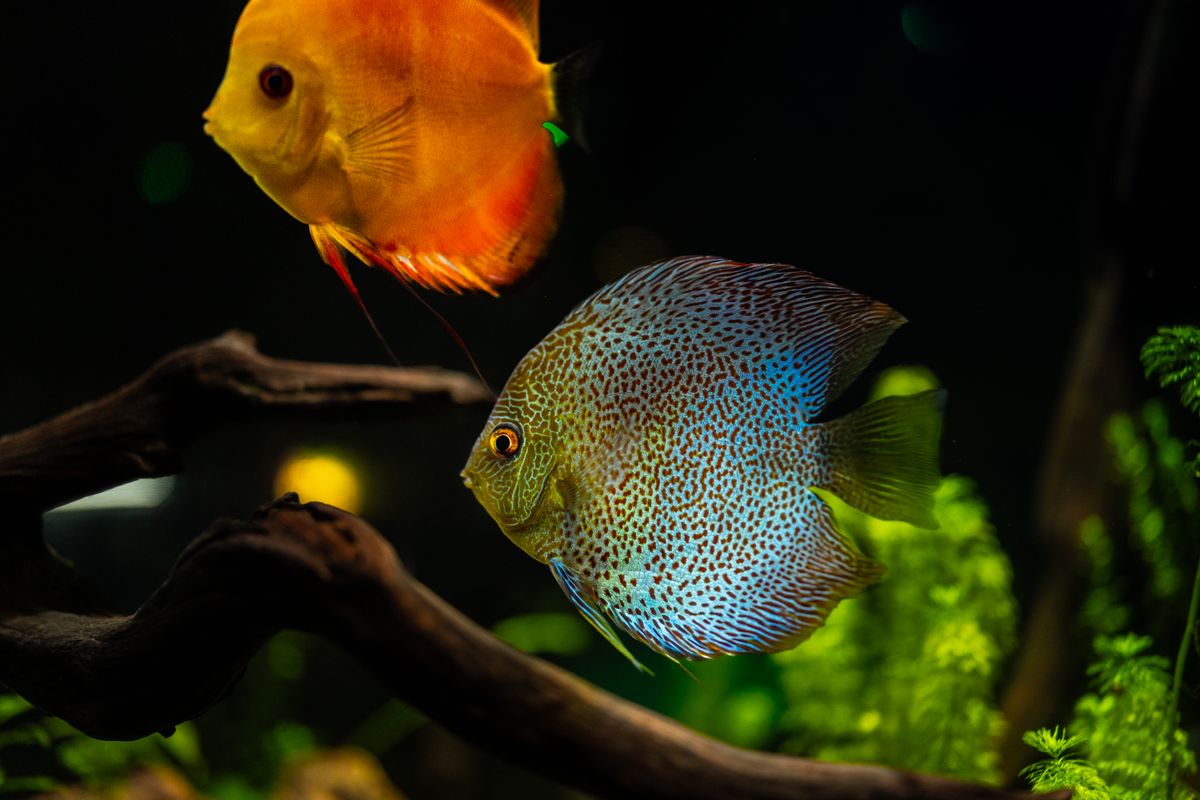
Choose species-appropriate food, offer controlled portions, and verify that every fish eats while removing avoidable waste.
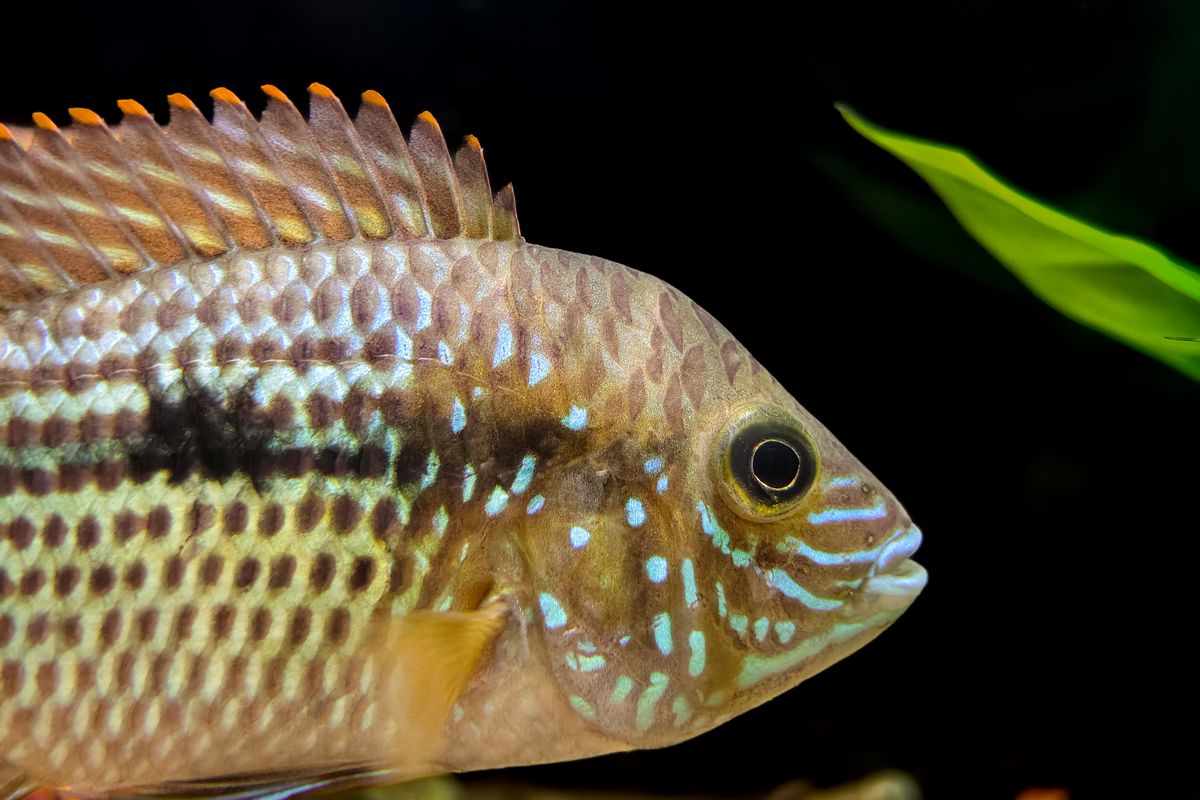
Choose plants suited to the equipment, begin with a consistent modest light period, and adjust using plant growth and aquarium observations.
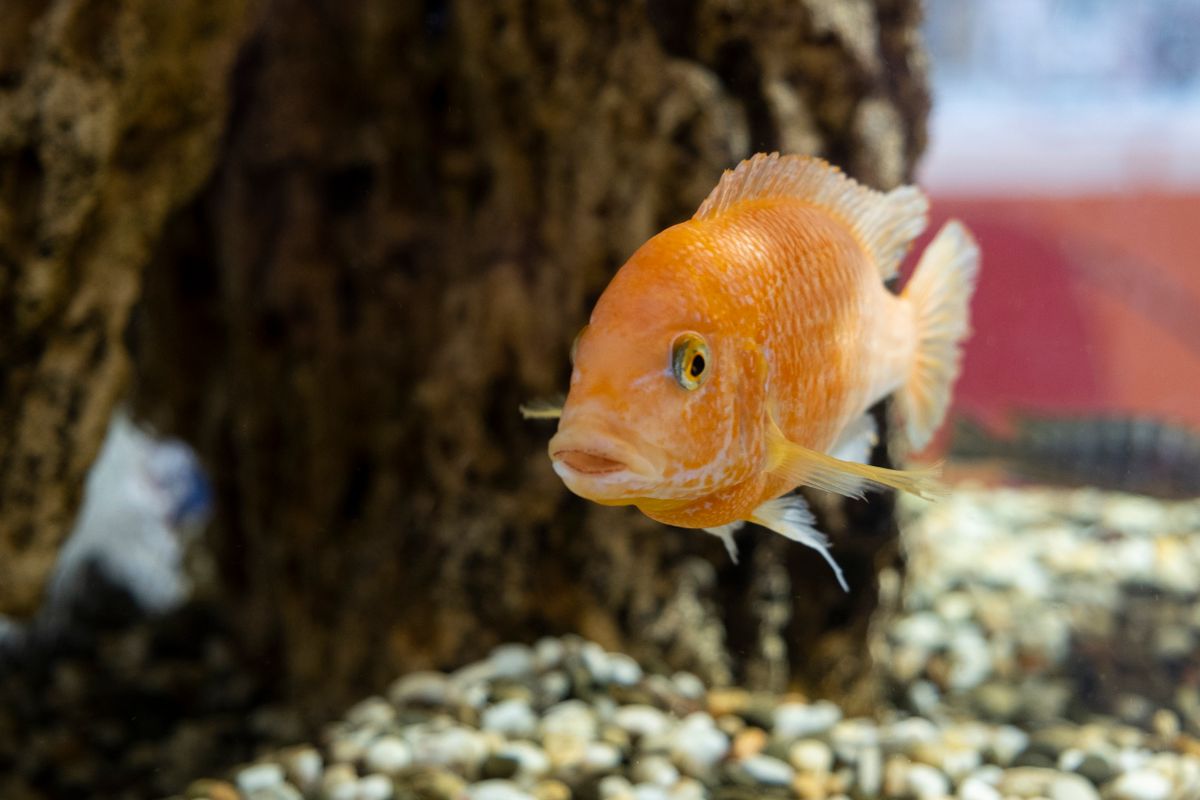
Select a filter that suits the fish, offers reliable biological support, and can be maintained without repeatedly replacing all established media.
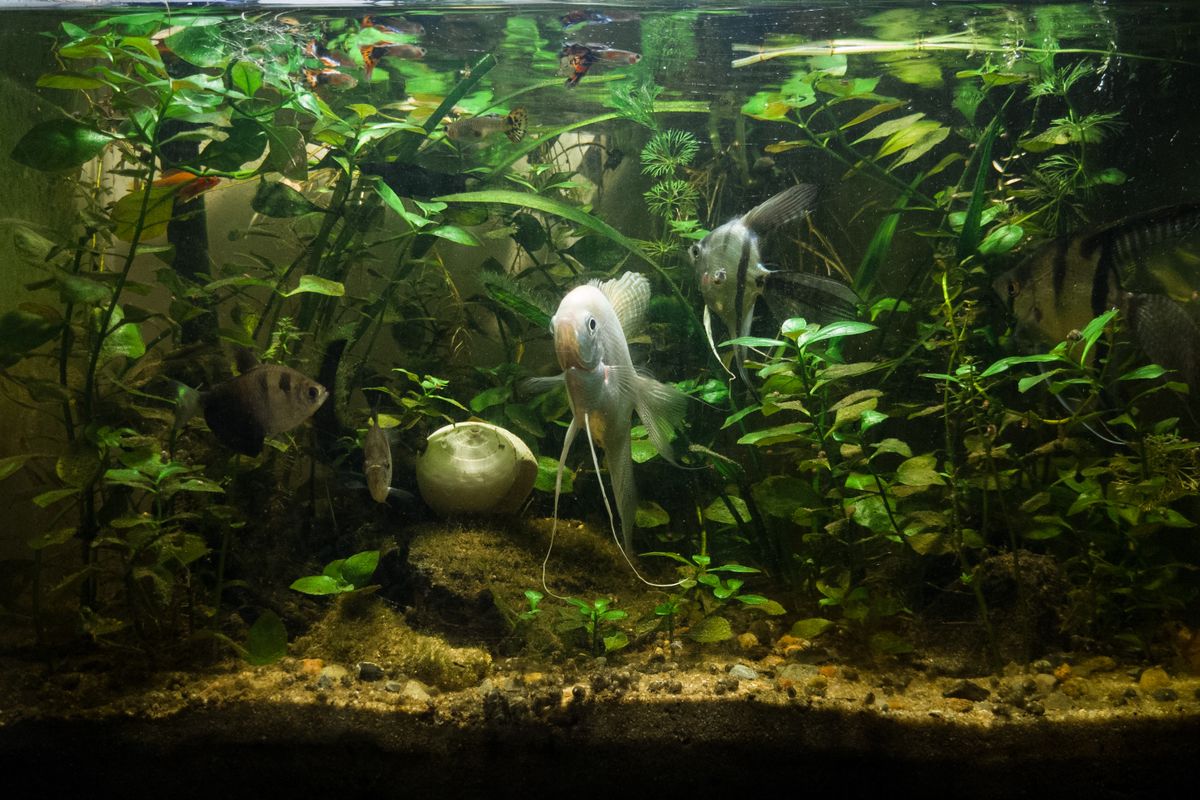
Stabilize the routine before departure, test equipment and feeding arrangements in advance, and give a helper clear instructions and contacts.
Clear explanations, patient observation, and practical things to try. Browse all 50 guides in the journal.
Open the journal