Hydrangea Flowers Without Chasing the Wrong Color
Identify your hydrangea before pruning, distinguish wilt from watering needs, and understand why flower colour is not always adjustable.
Updated
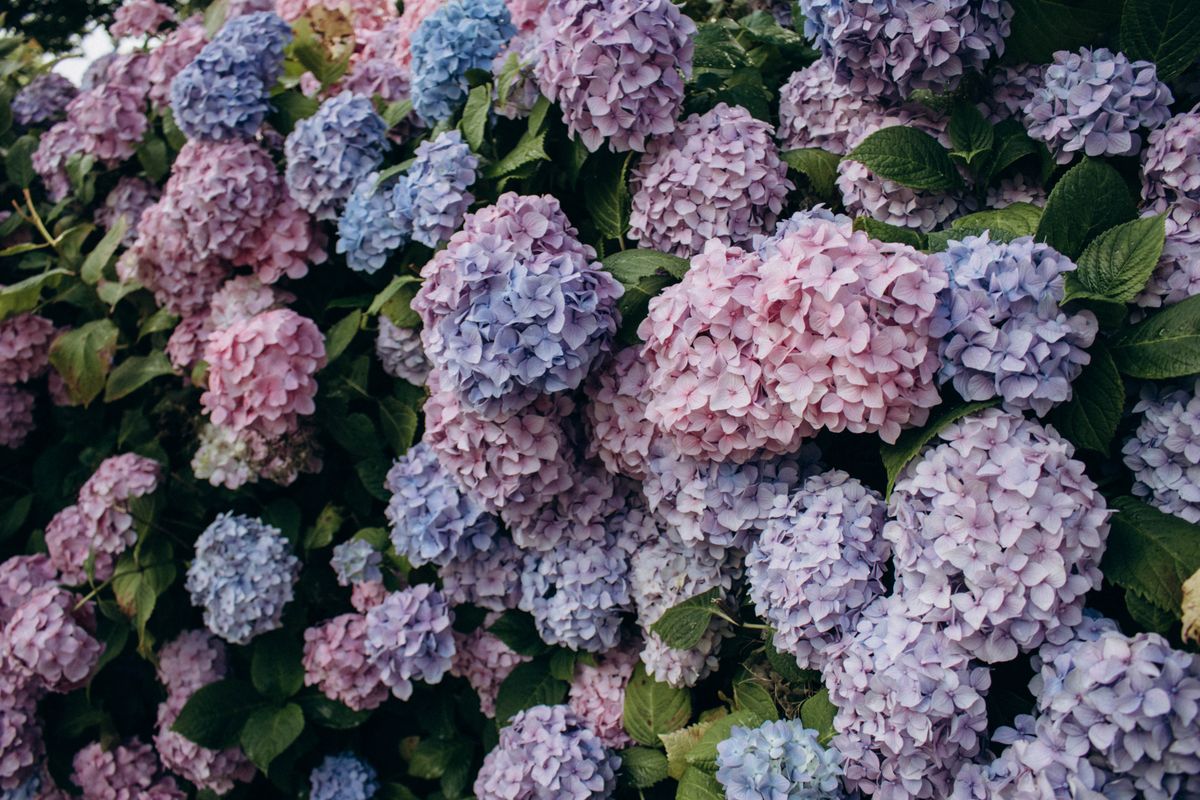
Keep roots evenly supplied with water and mulch the surrounding soil without piling material against stems. Prune according to flowering habit.
Identify the hydrangea before touching the secateurs
Hydrangeas are often discussed as though they were one shrub with one pruning date and one way to change flower color. In practice, the group includes plants with different growth habits and flowering wood. Identification is the most valuable first step.
Keep the label if you have it, or photograph leaves, stems and flowers for a reliable identification. A mophead or lacecap, a panicle-flowered shrub and a climbing hydrangea should not be managed as interchangeable plants. The wrong pruning method can remove a display that was already forming before you made the first cut.
Choose the site around summer conditions
A hydrangea needs a position suited to its type and local climate. In hot regions, protection from fierce afternoon exposure can reduce stress. In cooler settings, too much shade may limit flowering. Look at the actual site rather than copying a compass direction from another country.
Check soil moisture and drainage as well as light. A sheltered bed can be dry because a wall or tree intercepts rain, while a lower area can remain saturated. Hydrangeas generally appreciate reliable moisture, but roots still need a suitable aerated environment. A wet hollow is not automatically a good site.
Prepare a broad useful root area
Remove competing weeds and improve the planting area according to soil condition and local guidance. A narrow enriched pocket surrounded by difficult soil does not always create a good long-term root environment. Consider where roots will grow after the first season.
Set the plant at an appropriate depth and water in carefully. Keep the stem base visible rather than burying it beneath a mound of soil or mulch. Newly planted shrubs need attention because their roots initially occupy only the original root ball. Rainfall that moistens the surrounding bed may not fully rehydrate that core.
Read wilt before adding another bucket
Large hydrangea leaves can lose firmness in hot afternoon conditions. The cause may be dry soil, but it can also be a temporary mismatch between water loss and uptake when the root zone is already moist. Check below the surface before responding.
If the soil is dry, water the root area thoroughly and allow time for absorption. If it is wet, investigate heat, drainage and root health rather than automatically saturating it again. Compare the plant in the morning and evening. A shrub that recovers as conditions cool presents a different pattern from one that remains limp continuously.
Mulch to support moisture, not conceal the crown
An appropriate organic mulch can help moderate soil moisture and temperature. Apply it over the root area after dealing with weeds and watering dry soil. Leave a clear gap around stems and avoid burying low shoots.
Check beneath the mulch during dry weather. Its surface appearance is not a reliable moisture test. A thick layer can also hide weeds, pests or water that has not penetrated evenly. Top up only as the material breaks down rather than adding another heavy layer every time the bed looks untidy.
Flower buds may already be on the stems
Some hydrangeas produce much of their display on older wood, while others flower on current-season growth. Cutting every shrub down hard in spring can remove buds on the first group. The plant may make healthy leaves afterwards but offer little flowering that year.
Do not use that leafy recovery as evidence that the pruning was correct for flowers. Check the species and cultivar, then follow the relevant method. Where identification remains uncertain, delay major cutting and observe how buds and flowers develop. Removing a clearly dead or broken piece is different from shortening every healthy stem.
Let questionable stems reveal their condition
A stem that appears bare in late winter may still contain living buds. Wait for the appropriate local stage before declaring all apparently dormant growth dead. Frost damage and delayed bud movement can complicate the picture.
Look for swelling buds and healthy tissue, using species-specific guidance if a scratch test or pruning decision is needed. Cut with clean tools and avoid repeated speculative trimming. For an unfamiliar shrub, photographs through spring can show which stems actually produce leaves and flowers, building a much better basis for next year’s pruning.
Blue and pink are not a universal switch
In responsive hydrangea types, flower color relates to soil chemistry, including pH and the availability of aluminum. The process is more complicated than adding a kitchen ingredient and waiting for a guaranteed shade. Many white-flowered types do not simply become blue through acidifying.
Identify the plant and test the soil before considering amendments. Follow reliable local advice and labeled products where appropriate. Unmeasured chemical additions can damage roots or affect neighboring plants. If the natural color is attractive and the shrub is healthy, accepting it is often the easiest and most sustainable decision.
Containers need a separate moisture plan
A potted hydrangea has a limited root volume and can dry quickly in warm weather. Use a substantial draining container appropriate to the plant and a suitable mix. A small decorative pot may look proportionate at purchase but become difficult to keep evenly moist as growth expands.
Check the root ball directly and drain excess water. Do not leave the container standing permanently in a deep reservoir. If the pot sits beneath an overhang, natural rain may contribute little. A container also changes winter exposure, so consider root cold and wet conditions rather than treating it exactly like a shrub in the ground.
Feed in proportion to the problem
Use appropriate fertilizer according to guidance for the plant, soil and season. A lack of flowers does not automatically mean a nutrient shortage. Incorrect pruning, insufficient light, damaged buds and immaturity can all contribute. More feed does not restore buds that have already been cut off.
If growth is weak or leaves discolor, inspect moisture and root conditions and consider a soil test where useful. Avoid stacking several products in response to uncertainty. Keep application records so you know what has already been supplied. A simple documented routine is easier to adjust than a series of unmeasured rescue treatments.
Manage faded heads according to the plant
Spent flower heads can remain attractive and may provide structure into the dormant season. Whether and when to remove them depends on the type, local weather and pruning plan. There is no need to cut them immediately merely because their fresh color has faded.
When removing a head, avoid cutting farther down the stem than the relevant method requires. Look for healthy buds before placing the blades. A quick uniform haircut can be convenient for the gardener and costly for next season’s display. Work carefully and keep the plant identity at the center of the decision.
Assess damage without expecting a reset
Scorched leaves, frost-damaged buds and lost flowering wood do not recover their original appearance. Improvement means that fresh damage stops and later growth develops well. A shrub may need a season to show the benefit of better placement or more appropriate pruning.
Take photographs before and after major changes. Record watering problems, unusually severe weather and the timing of cuts. Those details help explain the following year’s flowers. Avoid judging the plant solely by a single disappointing week or comparing it with a photograph taken in a different climate at peak bloom.
Keep the garden safe and the goal realistic
Hydrangeas are ornamental plants and should not be treated as food. Keep cut material away from chewing pets and supervise children around garden tools and products. Wear gloves where handling causes irritation.
A successful hydrangea is not defined by a precise commercial shade of blue. It is a well-placed shrub with sound roots, appropriate moisture and flowering wood preserved or renewed according to its type. Once those foundations are in place, maintenance becomes more predictable. Observe the plant through a full cycle and let its actual growth guide the next adjustment.
When healthy leaves arrive without flowers
A hydrangea covered in healthy foliage but lacking flowers may have lost buds through pruning or weather. It may also be too young, too shaded or a type with a different flowering pattern than expected. Start with the named plant and the previous season’s history.
Ask when it was cut, whether buds were visible beforehand and whether late frost affected new growth. Increasing fertilizer before answering those questions can encourage more foliage without addressing the missing display. Photograph bud development during the next cycle. That record can reveal whether buds formed and were later lost or whether the plant never reached the relevant stage.
Move an established shrub only for a clear reason
If a hydrangea repeatedly struggles in severe heat, deep shade or unsuitable soil, relocation may be worth considering. Moving an established shrub is a substantial root disturbance, so plan the appropriate local season, preparation and aftercare. Do not move it impulsively during the hottest weather merely because one afternoon was disappointing.
For a large plant, seek guidance or qualified help. Preserve a workable root ball, prepare the new site first and plan how moisture will be maintained afterwards. A better location is valuable only if the move itself is managed sensibly. Record the change and allow time for re-establishment before judging the full flowering response.
Compare seasons rather than individual photographs
Flower size and timing vary with weather and the plant’s development. A photograph from a nursery or another climate is not a promise of an identical display in your garden. Compare the shrub with its own previous season, taking pruning and unusual conditions into account. A stable healthy plant that flowers consistently is a useful success even when its color or timing differs from an image that inspired the purchase.
Further reading
Use these independent resources to explore the subject and check guidance for your location.