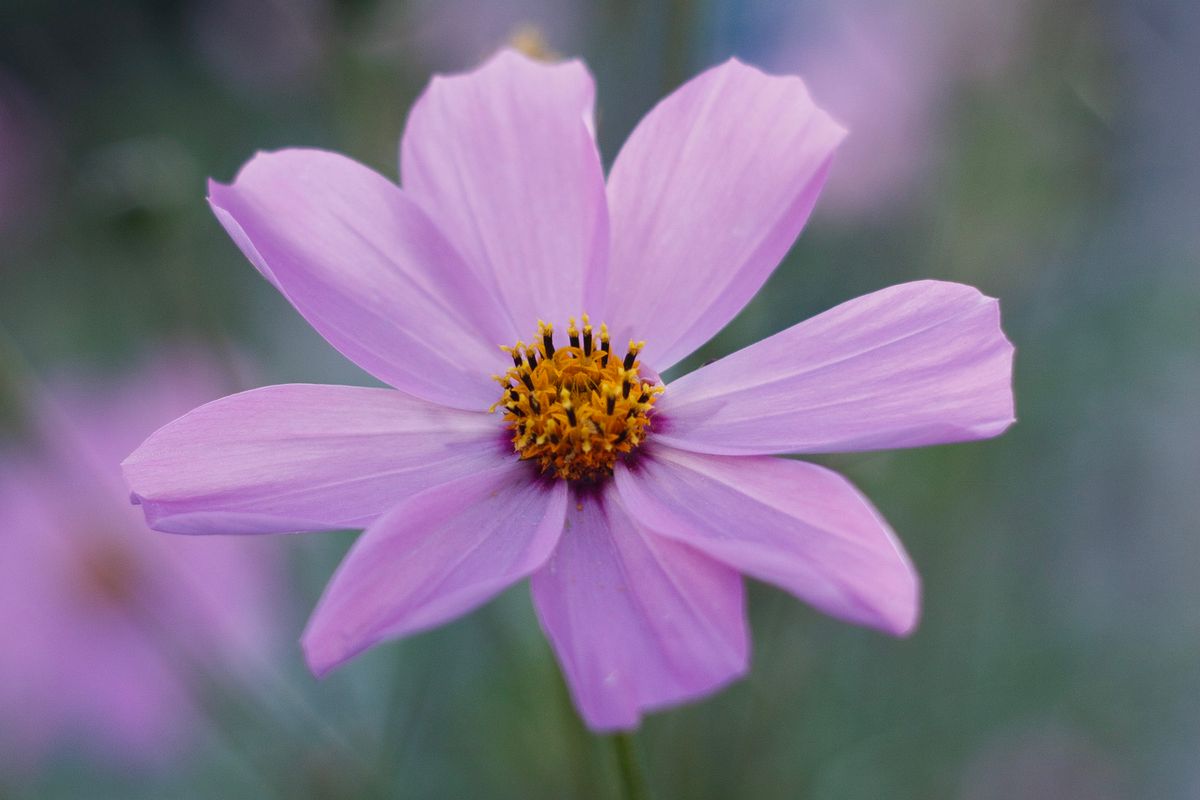
A Cutting Garden That Still Looks Like a Garden
Grow a manageable selection of flowers for small bouquets, with practical sowing, support, harvesting, and vase care.
Updated
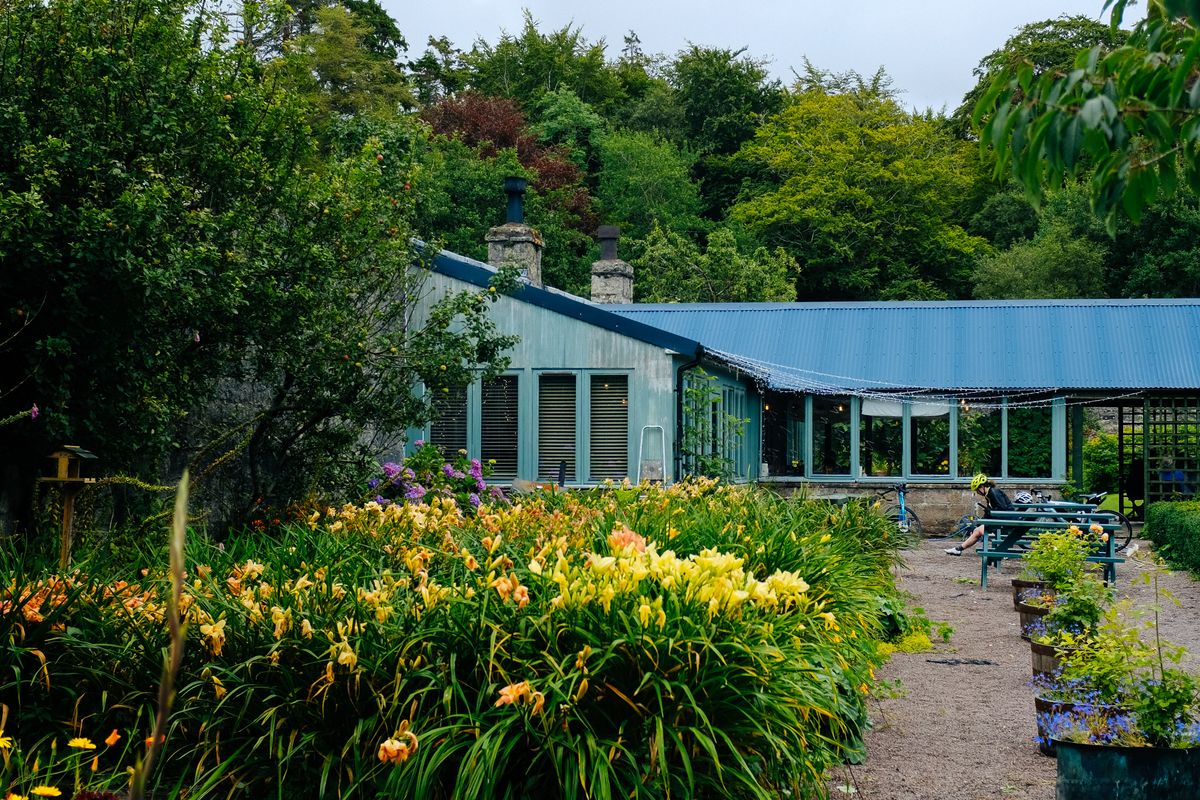
Plant in small repeated groups and provide supports early. Cut above leaf nodes so suitable species can make new flowering stems.
Start with the bouquets you will actually use
A small cutting garden works best when its purpose is modest and clear. Decide whether you want a few stems for a table each week, occasional fuller arrangements, or one seasonal display. Those goals require different planting and harvesting expectations. Think about the vase size and space in your home before ordering large quantities of seed. A handful of well-grown stems with complementary foliage can be more satisfying than a crowded bed that produces many short or weak flowers. Choose plants for your climate, available light, and maintenance capacity. The useful measure is a dependable supply you enjoy cutting, not the maximum number of varieties that can be fitted into a seed order.
Choose a sunny accessible growing area
Many common cutting flowers perform best in good light, although requirements vary. Observe the site through the day and consider shade from buildings and mature plants. Check soil drainage and access to water. A narrow bed reachable from both sides can make harvesting easier without stepping among roots. Keep paths wide enough for the way you actually work, including carrying a bucket. If the site is wet, compacted, or shaded, solve that mismatch or choose suitable plants rather than assuming fertilizer will compensate. A container-based cutting area can work, but it needs sufficient root volume, reliable watering, and stable pots. The growing arrangement should remain manageable during the busiest part of the flowering season.
Choose a limited complementary palette
Select a few dependable flowers with different shapes, plus appropriate foliage or airy material if that suits your arrangements. Consider height, flowering season, vase performance, and whether plants produce repeatedly after cutting. A packet photograph does not tell you all of those things. Research cultivar details and avoid buying only dramatic large flowers that need extensive support. Keep mature spacing in mind. In a very small bed, too many varieties can leave you with one or two stems of each and little useful repetition. A limited palette is not a restriction on interest; it gives you enough material to learn how the plants grow and how their forms work together in a vase.
Match sowing to local conditions
Annuals differ in temperature needs, germination requirements, and tolerance of transplanting. Read the packet and reliable regional guidance before sowing everything on the same day. Frost-tender plants should not be rushed outdoors because the calendar says spring. Indoor seedlings need appropriate light and care, and they may require gradual acclimation before planting out. Avoid sowing more than you can house properly. Crowded weak seedlings create work without guaranteeing a better display. Direct sowing can be practical for suitable species and sites, but seedlings still need moisture and protection from relevant local pressures. Keep labels and dates so you can connect eventual flowering with the actual sowing method rather than relying on memory next season.
Plan succession without creating a production line
A second sowing of a suitable quick-growing annual may extend the cutting period, but not every species benefits from repeated sowing on a fixed schedule. Check the time to flowering, local season length, and available space. A later batch needs somewhere to grow when it is ready, and the first batch may still be productive. Avoid filling every gap with young plants that cannot receive light or water properly. Succession is useful when it matches a real supply goal, such as extending a favorite flower, rather than becoming an obligation to sow continuously. Keep the plan small enough that you can care for each batch well and still enjoy harvesting the flowers already available.
Install supports before plants need rescuing
Tall annuals and branching perennials may need a grid, stakes, or another suitable support, especially in wind. Put it in place while plants are small enough to guide through gently. Support should distribute growth without creating a tight bundle or obstructing harvesting. Check mature heights and choose robust safe materials. Avoid loose netting with hazards for people or wildlife, and keep projecting stakes away from faces and paths. As stems lengthen, inspect ties and access. A cutting bed can become surprisingly dense, so leave room to reach the intended stem without damaging its neighbors. Prevention is easier than trying to straighten a whole crop after heavy rain has pushed it sideways.
Grow useful stems rather than crowded foliage
Spacing influences airflow, stem strength, access, and the size of flowers. Follow appropriate guidance for the species and purpose instead of forcing plants closer because the bed is small. Some flowers respond to pinching when young, while others do not need or suit that treatment. Learn the technique for the actual plant before cutting its growing tip. Maintain water according to the soil and weather, directing it where roots can use it. Feed based on needs rather than assuming more fertilizer creates better stems. Excessive growth can become difficult to support. Keep weeds from competing while avoiding repeated disturbance of established roots. Healthy manageable plants are the foundation of useful cutting material.
Harvest at the right stage for each flower
Different flowers are cut at different opening stages, and one universal rule can give disappointing results. Research the species and test a small number of stems to learn how they perform in your room. Use a clean sharp tool and cut at an appropriate point above healthy growth where relevant. Support the stem while cutting and place it promptly into a clean container of suitable water. Avoid harvesting wilted material in the hottest period when possible. Do not strip the whole plant of leaves or buds to make one arrangement. A thoughtful cut can serve the vase while leaving a productive healthy plant behind. Keep notes on which stage gives the best balance of opening and longevity.
Condition stems with clean practical methods
Begin with a clean bucket and vase. Remove foliage that would sit below the waterline, while retaining what is useful above it. Recut stems appropriately and follow reliable species-specific guidance where special handling is genuinely needed. Do not apply every dramatic internet trick to every flower. Boiling, crushing, burning, or adding household chemicals can damage material or create safety issues if used without a sound reason. A suitable commercial flower food should be used according to instructions if chosen. Refresh water and clean the container as appropriate, and keep arrangements away from excessive heat or direct sun. Good hygiene and suitable harvesting often matter more than an elaborate conditioning ritual.
Keep the harvest safe for the household
Identify every plant you bring indoors. Some ornamental flowers and foliage are toxic or irritating, and particular plants can be especially dangerous to pets. Lilies require serious caution in homes with cats; choose alternatives if safe separation cannot be guaranteed, and contact a veterinarian urgently if exposure is suspected. Do not use ornamental flowers as edible decorations unless the species, growing history, and food-safety suitability are established. Pesticide labels and harvest restrictions matter where products have been used. Keep sharp tools and buckets away from children, and handle irritating sap with appropriate protection. A cutting garden is part of the household environment, so the vase contents deserve the same thoughtful selection as the plants outdoors.
Leave room for flowers you do not cut
Harvesting and habitat can coexist when the bed is planned deliberately. Leave some suitable blooms for pollinators and selected seed heads where they provide value. Open accessible flower forms may serve insects differently from heavily doubled cultivars, so consider that when choosing the palette. Do not assume every bloom must be taken to make the garden productive. A few stems left in place also let you observe the full flowering cycle and identify a useful seed stage. Manage self-seeding where needed and distinguish healthy retained material from diseased growth. The cutting area can remain attractive outdoors as well as supplying indoors, especially when foliage, shape, and seasonal sequence have been considered alongside yield.
Review one season before expanding
At the end of the season, list the plants that produced useful stems, the periods with little to cut, and the jobs that were difficult. Record sowing dates, support needs, and vase performance. A variety that looked excellent in the bed may not have suited your arrangements, while a quiet filler may have been used every week. Use those observations to simplify or adjust the next plan. Improve a weak section before enlarging the whole growing area. Save seed only where appropriate and with realistic expectations about hybrids. A successful small cutting garden develops through choices grounded in your site and actual use, leaving enough time to enjoy the flowers rather than turning every spare corner into another maintenance commitment.
A weekly harvest from a very small bed
Imagine a bed that can comfortably hold only a few types of flower. Choose one dependable main flower, a contrasting form, and a suitable foliage or filler plant, all matched to the site. Grow enough of each to make repeated small harvests useful. Keep the initial sowing manageable and leave room for mature growth and access. A limited palette can produce coherent arrangements without requiring a commercial-style production schedule. The important question is whether those plants provide stems at times you want them and whether you can maintain them well through the season.
At each harvest, take only suitable stems at the correct stage for their species. Cut cleanly, place them promptly in a clean water container, and leave the plant with useful healthy growth. Record the date and observe how the remaining plant responds. Indoors, use a clean vase, remove submerged foliage, and maintain the arrangement appropriately. Note which flowers open well and which are disappointing. These practical observations can be more valuable than a generic claim that a variety is good for cutting, because room temperature, harvest stage, and your preferred vase all influence the result you actually enjoy.
If a gap appears in supply, identify its cause before sowing more. The plants may need time to establish, the chosen varieties may flower together, or the growing season may not allow another batch to mature. A small later sowing can help only when it fits those constraints. Otherwise, adjust next year's sequence or accept a seasonal pause. Keep some suitable flowers outdoors and avoid stripping the bed to maintain an uninterrupted indoor display. A cutting garden should add enjoyment to a manageable garden, with a rhythm that fits your space and household rather than a constant pressure to produce.
Further reading
Use these independent resources to explore the subject and check guidance for your location.