Lavender in a Pot: Sun, Drainage and a Light Touch
Match lavender to a sunny position and freely draining container, then adapt watering and pruning to the type you grow.
Updated
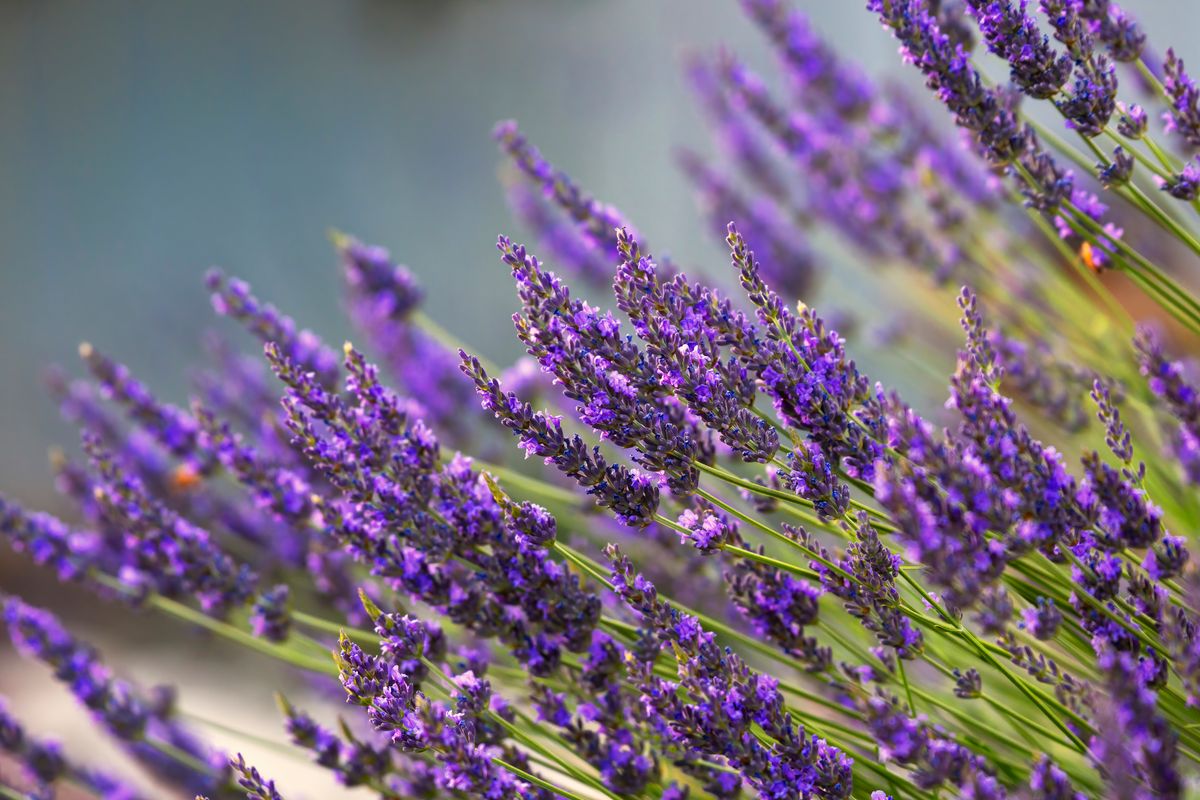
Water a newly planted lavender while roots establish, then allow the mix to dry partly between waterings. Trim lightly after flowering according to the type.
Buy a lavender for your climate
The word lavender covers plants with different hardiness and growth habits. Before choosing by flower color, read the botanical name and local growing guidance. A type that thrives through winter in one region may need protection in another.
Look at mature size too. A small flowering pot on a shop bench can become a broad woody shrub. Choose a variety that suits the container and space you can provide, rather than planning to keep a large plant permanently small through severe pruning.
Sun is part of the basic requirement
Lavender generally performs best with generous sun. A shaded sheltered doorway may keep a pot looking decorative for a while but often produces weak growth and disappointing flowering. Check how much direct light reaches the actual position during the growing season.
Air movement is useful, but a pot should remain stable in wind. A tall narrow container can topple as the plant grows. Choose a secure arrangement where you can inspect the surface and drainage, and avoid wedging the plant tightly among moisture-loving neighbors that need frequent overhead watering.
Drainage begins with the container
Use a pot with open drainage holes. In wet climates, winter rainfall can be a major challenge, so the container needs a clear route for water to leave. Check that the base does not sit in a deep saucer that repeatedly refills.
A holeless decorative pot is not made suitable by adding stones. If you use one as an outer container, lift the inner pot and empty it after rain or watering. Better still, choose an outdoor arrangement that drains freely without requiring constant rescue. The convenience of the setup matters through the dull wet months as much as during flowering.
Choose a root environment that does not stay saturated
Use a suitable free-draining mix for container-grown lavender. Dense water-retentive material can remain wet around roots, particularly when temperatures fall and growth slows. The mix should provide structure and air as well as hold enough moisture for the plant to use.
Avoid assuming that a handful of grit transforms any compost into an ideal medium. Follow a reliable formulation or product guidance appropriate to your conditions. Rich feeding and permanently moist compost are not the route to a compact aromatic shrub. Lavender’s requirements differ from those of a lush summer bedding container beside it.
Water new plants while roots establish
A drought-tolerant reputation does not mean a newly planted lavender can be ignored. Its roots initially occupy only the original root ball. Check that area during establishment and water when needed, then allow an appropriate partial drying period.
Apply water to the mix rather than constantly wetting the foliage. Drain excess and check that rain has actually reached the root ball rather than merely dampening the leaves. A container beneath an overhang may receive little useful rain even during a wet week. Observe the pot itself instead of treating the weather forecast as a moisture measurement.
Reduce automatic watering once established
An established plant in a suitable pot generally benefits from drying between waterings. Lift the container if manageable and inspect below the surface. A dry-looking top alone does not prove that the lower zone is ready for more water.
Hot sun and wind can increase demand, while cool cloudy weather slows it. There is no dependable universal interval. The practical rule is to check often enough to understand the pot, then water only when its condition justifies it. Frequent small splashes can create an uneven root environment and make that decision harder.
Feed with restraint
Lavender does not need the same rich feeding program as a heavily flowering annual basket. Follow guidance for the species and mix, and avoid treating weak growth with increasingly strong fertilizer. Poor light and wet roots will not be corrected by added nutrients.
Fresh potting media may already contain a feed supply. Read the product information and consider the whole care routine before adding anything. Soft extended growth is not necessarily an improvement if the goal is a compact plant that remains healthy through the next season. Good structure, sun and drainage are more fundamental than an elaborate collection of additives.
Prune while there is leafy growth to work with
Pruning helps maintain shape, but lavender does not reliably recover from every cut into old bare wood. Identify the type and follow its pruning guidance. A light timely trim is often safer than allowing years of unchecked growth and then attempting a dramatic reduction.
Look for healthy leafy sections before cutting. Remove spent flower stems and shape appropriate growth without stripping the plant to a woody skeleton. Use clean sharp tools and step back periodically to inspect the shape. Avoid removing so much foliage in one session that the plant has little active growth left to support recovery.
A woody center is a long-term planning issue
As lavender matures, the base naturally becomes woody. If a plant is bare and sprawling, repeated watering will not make old dead-looking sections leafy again. Consider whether careful staged pruning is possible or whether replacement is the more realistic choice.
Take photographs through the season to judge the shape beyond its flowering peak. A plant that looks good only while flower stems conceal the center may need a different maintenance plan. Keeping a young plant reasonably compact from the start is easier than restoring an old neglected specimen. Choose future varieties with mature size in mind.
Winter care depends on more than cold
Cold tolerance and winter wet are separate concerns. A hardy lavender can still struggle when roots remain saturated, while a tender type may need frost-free shelter even in a freely draining pot. Check reliable local advice for the named plant.
Protect containers from persistent waterlogging and avoid sealing the foliage inside damp wrapping. If moving a pot under shelter, make sure it still receives appropriate light and check moisture rather than forgetting it until spring. Shelter from rain changes the watering pattern, so the plant may need occasional attention even during a cool period.
Flowering and visitors
Lavender can attract pollinating insects, which is part of its garden value. Place it where you can enjoy the display without brushing flowers every time you use a narrow doorway. Give children and visitors a clear route past the pot.
If cutting stems for a dry ornamental arrangement, choose healthy material and leave some flowers for the garden where possible. Do not assume that every ornamental lavender or every garden treatment is suitable for food or home remedies. This growing guide does not establish a medicinal use, essential-oil preparation method or edible safety claim.
Review the pot before the next season
Inspect drainage, container stability and the condition of the root ball when growth resumes. Repot only when the plant and mix justify it, using an appropriate next size rather than a very large volume of fresh wet compost. A heavy old pot may need help to move safely.
Note what worked through the previous winter and summer. Did the base remain wet after rain? Did the plant receive enough sun? Did pruning leave healthy leafy growth? Those observations guide a useful adjustment. Lavender is easier to keep when the location suits it than when every season requires a new rescue routine.
Separate lavender from a thirsty mixed planter
A mixed container can look attractive while combining plants with incompatible root needs. Lavender beside moisture-loving annuals creates a watering compromise: keeping the annuals comfortable may leave the lavender too wet, while allowing the mix to dry may stress its neighbors.
Use separate inner pots or a different planting combination when requirements conflict. Similar flower colors do not make plants good root-zone partners. Independent containers also let you shelter a tender lavender without moving every other plant in the display. Plan the arrangement around care needs first, then use pot color, height and spacing to make it visually coherent.
A drooping plant is not always thirsty
If lavender wilts while the mix remains wet, do not automatically add another watering. Check drainage, recent rainfall and the root environment. Waterlogged or damaged roots can fail to supply leaves even when plenty of water is present around them.
A plant in dry mix presents a different situation, especially during establishment or intense heat. Confirm the condition below the surface and respond accordingly. This distinction prevents the common cycle of watering a weak plant more frequently until the underlying wet-root problem becomes worse. If tissue is collapsing or decay is evident, seek reliable guidance rather than promising that a move into sunshine will repair extensive damage.
An ornamental harvest with modest expectations
If you cut a few stems to dry for decoration, choose clean healthy material and bundle it loosely enough to allow air movement. Keep drying stems in a suitable ventilated place away from food handling and curious pets. Retain the plant label so the identity is not lost.
Growing an aromatic plant does not establish that concentrated extracts are safe or that the flowers are suitable for ingestion. Do not improvise essential-oil production, medicinal claims or kitchen uses from an ornamental care guide. Enjoy the scent and form in the garden, and consult appropriate specialist food or health guidance for any separate use. These boundaries keep a straightforward growing project clear and manageable.
When choosing the final position, consider how you will manage the pot in winter. A sheltered route and stable lifting points matter once the container is wet and heavy. Plan help where needed instead of carrying an awkward mature plant across slippery paving during the first severe weather warning.
Further reading
Use these independent resources to explore the subject and check guidance for your location.